How to Learn About Surgical Instruments for Buyers in 2026
Learning surgical instruments is not a matter of memorizing names alone. Buyers need to understand how each instrument is used, what materials it is made from, and how it fits a clinical team’s workflow. In this guide, we use a clearly fictional expert, surgical-instrument educator Dr. Lena Ortiz, to frame one practical principle: “Understand the instrument’s purpose before comparing its price.” This is an illustrative line, not a verified quotation from a real person.
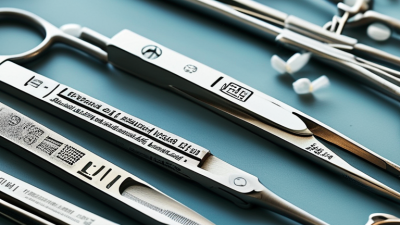
A useful way to learn surgical instruments is to study them in context. Compare a straight hemostat with a curved one. Notice the jaw shape, hinge, grip, and finish under good light. Then ask how the design supports the intended task and whether the product information clearly identifies its specifications. These details help buyers ask better questions of manufacturers and qualified clinical staff. They also make catalog descriptions easier to evaluate.
There is no shortcut. A product photo cannot show every detail, and familiar names may vary across suppliers. Buyers should verify specifications, intended use, care guidance, and quality documentation with reliable sources before making decisions. If a claim sounds broad, pause and check it. That small hesitation is useful. This article introduces practical ways to build knowledge, compare information carefully, and recognize what still needs expert review. Learning takes repetition, and even experienced buyers can overlook a detail.

What Surgical Instruments Are and How They Are Classified
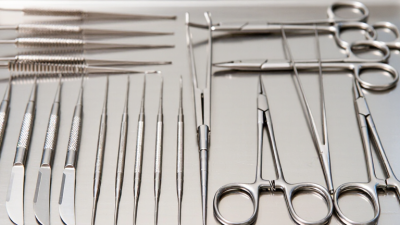
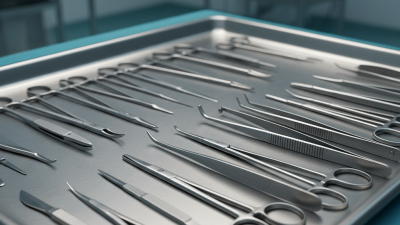
Surgical instruments are precision tools used to cut, grasp, separate, hold, expose, close, or inspect tissue. For buyers, classification is more useful than memorizing names. A scalpel and surgical scissors belong to cutting instruments, while forceps and needle holders support grasping or handling. Retractors keep an operative field visible. Clamps control vessels or other structures, and suction instruments remove fluids from the working area.
The same instrument may serve different procedures. A curved clamp can assist with hemostasis, tissue handling, or temporary occlusion.
This is why buyers should study function, jaw design, tip shape, size, and working length. A delicate, serrated tip may hold tissue securely but cause unnecessary pressure if selected poorly.
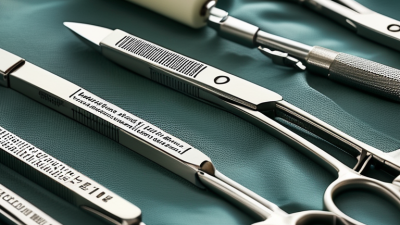
Small details matter. Examine hinge movement, alignment, surface finish, and locking strength under realistic handling conditions.
Classification also includes material and reuse status. Stainless steel instruments are common, but composition and surface treatment affect corrosion resistance and cleaning performance. Reusable products require clear processing instructions, inspection steps, and traceability records.
Single-use instruments need controlled packaging and reliable stock rotation. Buyers should compare manufacturer documentation, test reports, training requirements, and compatibility with existing sterilization equipment.
Classification is not always clean. Some designs overlap, and catalog descriptions can oversimplify clinical use. A practical review with experienced clinicians and sterile-processing staff often reveals risks that a spreadsheet misses. That review can be uncomfortable, but it prevents confident mistakes.
How Instrument Design, Materials, and Functions Shape Performance
Buying surgical instruments in 2026 requires more than comparing prices. Design, materials, and function directly shape clinical performance. A well-balanced forceps should feel stable, not heavy, during repeated procedures. Handle geometry affects grip, control, and hand fatigue. Small details matter.
Material selection deserves practical inspection. Stainless steel can resist corrosion, but performance depends on composition, finishing, and maintenance. Titanium offers low weight and useful strength, yet it may feel different in the hand. Check joint movement, jaw alignment, surface smoothness, and locking accuracy. Ask for material specifications, testing records, and cleaning instructions. These documents support reliable purchasing decisions. I have seen instruments look excellent under bright lighting but reveal rough edges during close inspection. No checklist is perfect.
Tips: Request samples before bulk purchasing. Test them with gloves. Open and close hinges repeatedly. Examine serrations under magnification. Confirm compatibility with sterilization processes. Compare user feedback from surgeons, nurses, and cleaning staff. A function that seems minor can affect speed and safety. Do not judge durability from appearance alone. Review traceability and quality-control procedures, too. One overlooked issue is repair access. If replacement parts or service guidance are unclear, long-term costs may rise. Buyers should question impressive claims and record both strengths and uncertainties before approval.
How to Learn About Surgical Instruments for Buyers in 2026
Material selection directly affects instrument weight, rigidity, wear resistance, sterilization performance, and handling comfort. The chart compares representative densities of materials commonly considered in surgical instrument design.
Representative engineering values: 316L stainless steel ≈ 8.0 g/cm³, cobalt-chromium alloy ≈ 8.3 g/cm³, titanium alloy ≈ 4.5 g/cm³, and PEEK ≈ 1.3 g/cm³. Actual values vary by grade, heat treatment, additives, and manufacturing process.
Which Safety Standards and Regulations Buyers Need to Understand
By 2026, surgical instrument buyers need more than a polished product catalogue. They should understand the rules governing safety, quality, and market access. Instruments may fall under different classifications, depending on their intended use and risk level. Buyers should confirm applicable requirements in each target market, including medical device regulations, registration duties, and post-market surveillance obligations.
Quality evidence matters. Ask whether the manufacturer operates under ISO 13485 and applies risk management principles from ISO 14971. Reusable instruments also require clear cleaning, disinfection, sterilization, and maintenance instructions. ISO 17664 guidance can help buyers assess those instructions. Materials contacting tissue may need biocompatibility evidence under ISO 10993. Do not accept a certificate as complete proof. Check its scope, validity, issuing body, and connection to the exact instrument.
Look closely at the evidence.
During evaluation, inspect hinges, joints, serrated edges, surface finish, and corrosion resistance. A hospital’s sterile processing team should test the instrument using realistic cleaning cycles. Ask for traceability records, technical files, declarations of conformity, and labeling samples. Unique device identification may also be required in some markets. Requirements can change, and supplier explanations are not always precise. A checklist can miss practical problems, such as a clamp that traps residue near its hinge. Buyers should document findings, involve clinical and quality specialists, and revisit approval decisions when design or regulations change.
How to Compare Costs, Maintenance Needs, and Purchasing Options in 2026
Surgical instrument purchasing in 2026 requires more than comparing the lowest quoted price. Buyers should calculate total ownership cost, including inspection, sharpening, sterilization, replacement parts, training, and downtime. A cheaper instrument may become expensive after repeated repairs. Ask suppliers for itemized quotes, warranty terms, expected service intervals, and delivery estimates. Keep every detail in one comparison sheet.
Maintenance needs vary by instrument type and daily workload. Hinged instruments need smooth movement, careful cleaning, and routine lubrication when permitted by the manufacturer. Cutting instruments require edge inspections under good lighting. Even minor corrosion can affect performance and increase replacement costs. Ask whether local technicians can provide service. Shipping instruments abroad for repair may create delays. That risk is easy to underestimate.
Purchasing options should match the facility’s cash flow and clinical schedule. Direct purchasing may offer better control, while approved distributors can provide training and faster support. Contract purchasing may simplify repeat orders, but restrictive terms deserve close review. Request samples or evaluation units when possible. Test grip, balance, markings, and cleaning access with actual staff. A spreadsheet helps, but it cannot measure every practical problem. My comparison would still include user feedback after several weeks, because initial impressions are often incomplete. Records should include lot information, inspection dates, and replacement decisions. Clear documentation supports reliable audits and more consistent future purchasing.