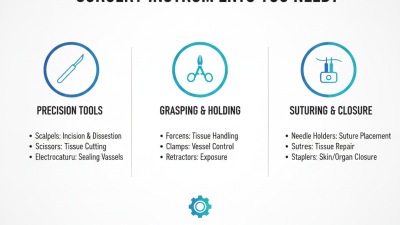
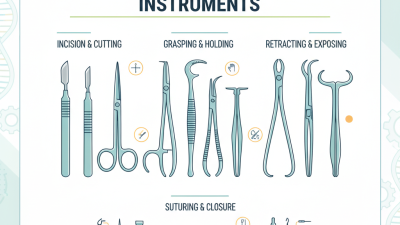
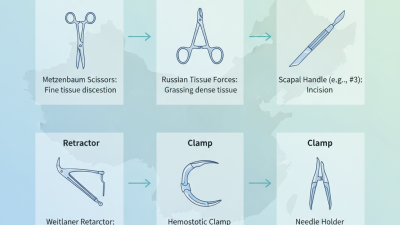
Creating a surgical instruments list for 2026 requires more than copying last year’s spreadsheet. It demands clinical judgment, careful inventory review, and reliable communication with surgeons, nurses, sterile processing teams, and suppliers. A practical list should reflect real procedures, not imagined demand. Record each instrument’s name, function, size, material, quantity, and storage location. Include scalpels, forceps, retractors, scissors, needle holders, suction devices, and procedure-specific sets. Keep sterilization compatibility visible. Small details matter.
Begin with operating room records, service schedules, and instrument usage data. Compare routine cases with planned specialties, such as orthopedics, general surgery, ophthalmology, or minimally invasive procedures. Check handles, hinges, insulation, tips, and markings for damage. A missing clamp can delay a procedure. An unsuitable coating can complicate processing. Confirm product specifications through established manufacturers and qualified clinical professionals. Local infection prevention policies and facility standards should guide final decisions.
No list is perfect.
Suppliers may change availability, packaging, or lead times during 2026. Therefore, add review dates, approved alternatives, and responsible owners for every major category. Avoid selecting instruments only by low price. Durability, ergonomics, cleaning performance, and dependable support also affect patient safety and operating efficiency. We may still overlook an uncommon procedure or underestimate replacement needs. That weakness deserves attention, not concealment. A quarterly review can expose gaps before they become urgent. With documented evidence and expert feedback, your surgical instruments list can remain accurate, traceable, and useful throughout the year.

Creating a 2026 surgical instruments list begins with a clear purpose. Is it for operating-room readiness, annual procurement, inventory control, or staff training? Each purpose changes the required detail. A readiness list may need instrument names, quantities, tray locations, and backup levels. A procurement list should add procedure demand, replacement dates, budget limits, and supplier documentation. Define the scope clearly. Include departments, procedure types, and the review period. Do not mix reusable instruments with disposable supplies without recording the reason.
Build the scope with surgeons, perioperative nurses, sterile processing staff, and biomedical personnel. Their experience reveals gaps that spreadsheets often miss. For every instrument, record its function, size, material, quantity, inspection status, and reprocessing requirements. Use consistent terminology and unique internal codes. Verify counts through tray photographs and physical checks. A documented review date supports accountability. The first draft may still omit a rarely used clamp or show an outdated quantity. That is useful evidence, not failure. Revise after observing a real operating-room setup.
Tips: Write one sentence describing the list’s purpose. Test it against a typical procedure. If staff cannot locate an instrument quickly, the scope is too vague. Keep an open-questions column for uncertain counts and clinical confirmation. Review the list quarterly, and after equipment or workflow changes.
How to Create a Surgical Instruments List for 2026?
A dependable surgical instruments list should mirror real procedures, not only storage shelves. Group instruments by procedure, such as general surgery, orthopedics, ophthalmology, or minimally invasive care. Each procedure should have a core set and optional items. This prevents staff from searching through unrelated trays during preparation. Add the instrument name, quantity, size, and approved use. Include replacement needs when repeated handling causes wear.
Function adds another useful layer. Separate cutting, grasping, clamping, retracting, suturing, suction, and visualization instruments. This classification supports training and faster checks. Record material, joint type, delicate features, and inspection points. A fine forceps may look acceptable but still lose alignment. That detail matters. It is easy to overlook.
Sterilization method must be recorded beside every item. Note whether the instrument is compatible with steam, low-temperature processing, or another validated method. Follow the current manufacturer instructions and facility policy. Do not assume similar instruments share the same limits. Processing staff should verify temperature, exposure time, packaging, and drying requirements.
Tips: Use one controlled digital file with revision dates. Ask surgeons, nurses, and sterile-processing staff to review it. Mark uncertain information for confirmation instead of guessing. A practical list is never perfectly finished. Quarterly audits can reveal missing sizes, duplicated items, or instruments that rarely leave storage. Keep those findings visible.
How to Create a Surgical Instruments List for 2026?
Record Essential Specifications, Quantities, and Compatibility Details
A reliable surgical instruments list should describe more than names. Record the instrument type, working length, jaw design, material, and sterilization method. Add exact quantities for routine cases, emergency backup, and replacement stock. A practical entry might state: “12 curved forceps, 18-centimeter length, reusable, compatible with standard sterilization trays.” Use current instructions for use and verified inventory records. Small details prevent large delays.
Tips: Build the list with surgeons, nurses, sterile-processing staff, and purchasing personnel. Ask each group to check one field. Photograph unclear items, but confirm their identity before ordering. Keep compatibility notes beside every powered or modular instrument. Include connector type, shaft diameter, attachment requirements, and approved tray space. Test-fit critical components using documented procedures. A perfect spreadsheet is not enough.
Review the list after simulated procedures, not only during annual purchasing. Count instruments returned from a tray and compare them with the recorded quantity. Missing adapters are easy to overlook. I once found that a “standard” handle did not fit every compatible attachment, proving that assumptions need evidence. Record unresolved questions instead of guessing. Date every revision, identify its reviewer, and retain the reason for each quantity change. This creates a clearer audit trail and supports safer preparation.
Creating a 2026 surgical instruments list is not merely a purchasing exercise. It is a safety control.
Begin with the procedure, patient risk, and sterilization pathway. Record each instrument’s intended use, material, size, and cleaning compatibility. The World Health Organization’s Global Patient Safety Action Plan reports that one in ten patients experiences harm in healthcare. More than half of these incidents are considered preventable. That figure should influence every tray decision.
Verify each item against current regulatory requirements before approval. In the United States, reusable devices need validated reprocessing instructions and documented staff training under applicable regulatory expectations. In the European Union, classification, conformity evidence, and post-market surveillance must align with the Medical Device Regulation. Requirements differ by jurisdiction. Keep a country-specific compliance column. Use AAMI ST79 as a practical reference for steam sterilization, packaging, storage, and quality control. It is guidance, not a substitute for local law. Add measurable checks, including biological-indicator results, wet-pack incidents, damaged hinges, and failed cleaning inspections.
Clinical review should involve surgeons, nurses, sterile-processing specialists, infection-prevention staff, and procurement. Map the complete case cart. Include backup sizes and instruments for unexpected anatomy. A 2024 healthcare technology hazard report from ECRI highlights risks linked to poor maintenance, training, and device use. Those risks belong in the review criteria. Do not assume last year’s inventory is safe. That assumption is weak. Pilot the list in one operating room, audit real cases, and revise it after near misses. A perfect spreadsheet is unlikely. A defensible process is achievable.
Verify safety standards, regulatory requirements, and clinical needs before finalizing each instrument entry.
This chart shows the publication year of selected international standards commonly used when evaluating surgical instruments, risk management, quality systems, sterilization, and reprocessing. For a 2026 instrument list, confirm the current edition and applicable national regulations for the intended market. Publication year is not a compliance score.
References: ISO 13485:2016, ISO 14971:2019, ISO 17664-1:2021, ISO 11135:2014, ISO 11137-1:2015, and ISO 17665:2024.
A surgical instruments list for 2026 should be a working record, not a forgotten spreadsheet. Review it with surgeons, nurses, sterile processing staff, and purchasing personnel. Their daily experience reveals missing clamps, duplicate trays, and instruments that no longer support current procedures. Compare each item with approved procedure guides, manufacturer instructions, facility policies, and sterilization requirements.
Keep specific details. Record the instrument name, size, quantity, tray location, condition, and inspection date. Add a clear status, such as active, under repair, or scheduled for replacement. During monthly checks, examine box locks, ratchets, insulation, alignment, and sharp edges. A small defect can delay surgery or compromise safe handling. Document findings immediately, even when the issue seems minor.
The list should change throughout 2026. Update it after new procedures, staff feedback, repairs, recalls, and audit findings. Use controlled version numbers and restrict editing to trained personnel. Review usage data before ordering replacements; low-use items may still be essential for specific cases. Our first review often misses instruments hidden in specialty trays. That is a useful weakness to acknowledge. Ask staff to challenge the list, not simply approve it. Quarterly audits can compare the digital record with physical trays, sterilization logs, and maintenance records. Keep signed review dates and corrective actions for reliable traceability.
Annual inventory planning table for surgical instrument control, inspection, sterilization, replacement, and replenishment.
| No. | Instrument Category | Instrument | Typical Use | Target Stock | On Hand | Reorder Level | Condition Review | Sterilization Method | Next Review Date | 2026 Action |
|---|---|---|---|---|---|---|---|---|---|---|
| 1 | Cutting and Dissecting | Scalpel Handle, No. 3 | Fine tissue incision | 24 | 24 | 8 | Inspect for corrosion, locking integrity, and blade-seat damage. | Steam sterilization after approved cleaning | 15 Jan 2026 | Ready |
| 2 | Cutting and Dissecting | Scalpel Handle, No. 4 | General tissue incision | 18 | 17 | 6 | Check handle surface, blade fit, and visible pitting. | Steam sterilization after approved cleaning | 15 Jan 2026 | Review Stock |
| 3 | Cutting and Dissecting | Mayo Scissors, Straight | Cutting suture and dense tissue | 20 | 20 | 6 | Test alignment, joint movement, and cutting performance. | Steam sterilization after approved cleaning | 12 Feb 2026 | Ready |
| 4 | Cutting and Dissecting | Metzenbaum Scissors, Curved | Dissecting delicate tissue | 18 | 16 | 6 | Assess sharpness, smooth action, and tip alignment. | Steam sterilization after approved cleaning | 12 Feb 2026 | Review Stock |
| 5 | Grasping and Holding | Adson Tissue Forceps, Toothed | Handling skin and fascia | 24 | 23 | 8 | Check tip alignment, teeth, grip, and surface condition. | Steam sterilization after approved cleaning | 19 Feb 2026 | Ready |
| 6 | Grasping and Holding | Debakey Tissue Forceps | Atraumatic vascular tissue handling | 16 | 15 | 5 | Verify atraumatic serrations and accurate tip closure. | Steam sterilization after approved cleaning | 19 Feb 2026 | Review Stock |
| 7 | Grasping and Holding | Allis Tissue Forceps | Holding firm tissue | 12 | 12 | 4 | Inspect ratchet, teeth, box lock, and jaw alignment. | Steam sterilization after approved cleaning | 26 Feb 2026 | Ready |
| 8 | Hemostasis | Mosquito Hemostatic Forceps | Clamping small vessels | 36 | 34 | 12 | Test ratchet stages, jaw closure, and box-lock movement. | Steam sterilization after approved cleaning | 5 Mar 2026 | Ready |
| 9 | Hemostasis | Kelly Hemostatic Forceps | Clamping medium vessels | 30 | 27 | 10 | Confirm transverse serrations, ratchet function, and alignment. | Steam sterilization after approved cleaning | 5 Mar 2026 | Review Stock |
| 10 | Hemostasis | Crile Hemostatic Forceps | Clamping tissue and vessels | 24 | 24 | 8 | Inspect full jaw closure, ratchet, hinge, and corrosion. | Steam sterilization after approved cleaning | 5 Mar 2026 | Ready |
| 11 | Retracting | Army-Navy Retractor | Superficial wound retraction | 10 | 10 | 3 | Check blades for distortion, burrs, cracks, and sharp edges. | Steam sterilization after approved cleaning | 19 Mar 2026 | Ready |
| 12 | Retracting | Langenbeck Retractor | Deep tissue retraction | 8 | 7 | 3 | Inspect blade angle, handle integrity, and surface finish. | Steam sterilization after approved cleaning | 19 Mar 2026 | Review Stock |
| 13 | Suction and Aspiration | Yankauer Suction Cannula | Removal of blood and fluids | 14 | 14 | 5 | Verify lumen is clear and tip is intact without cracks. | Steam sterilization if reusable and validated for the device | 2 Apr 2026 | Ready |
| 14 | Suction and Aspiration | Frazier Suction Cannula | Controlled suction in narrow fields | 12 | 11 | 4 | Check lumen patency, finger-control opening, and tip shape. | Steam sterilization after approved cleaning | 2 Apr 2026 | Review Stock |
| 15 | Suturing | Mayo-Hegar Needle Holder | Driving surgical needles | 20 | 19 | 6 | Test jaw grip, ratchet release, alignment, and tungsten-free surface wear. | Steam sterilization after approved cleaning | 16 Apr 2026 | Review Stock |
| 16 | Suturing | Operating Needle Holder | Fine needle handling | 16 | 16 | 5 | Check jaw texture, hinge, ratchet, and needle-holding security. | Steam sterilization after approved cleaning | 16 Apr 2026 | Ready |
| 17 | Probing and Dilating | Probe with Eye | Exploring tissue planes | 8 | 8 | 3 | Inspect shaft straightness, eye integrity, and rounded tip. | Steam sterilization after approved cleaning | 30 Apr 2026 | Ready |
| 18 | Probing and Dilating | Suction and Irrigation Cannula | Alternating irrigation and suction | 8 | 6 | 3 | Confirm lumen patency, connector fit, and absence of leakage. | Steam sterilization if reusable and validated for the device | 30 Apr 2026 | Replenish |
| 19 | Specialty and Access | Doyen Intestinal Clamp | Atraumatic bowel occlusion | 6 | 6 | 2 | Check atraumatic jaw surface, hinge movement, and clamp pressure. | Steam sterilization after approved cleaning | 14 May 2026 | Ready |
| 20 | Specialty and Access | Umbilical Tape Forceps | Handling and securing umbilical structures | 8 | 7 | 3 | Inspect jaws, ratchet, alignment, and corrosion at the box lock. | Steam sterilization after approved cleaning | 14 May 2026 | Review Stock |
| 21 | Specialty and Access | Vascular Bulldog Clamp | Temporary vessel occlusion | 10 | 9 | 3 | Verify spring action, atraumatic jaws, and secure closure. | Steam sterilization after approved cleaning | 28 May 2026 | Review Stock |
| 22 | Container and Accessories | Sterilization Tray | Organizing and protecting instruments | 16 | 15 | 5 | Inspect lid, hinges, perforations, filters, seals, and identification label. | Process according to validated tray instructions | 11 Jun 2026 | Review Stock |
| 23 | Container and Accessories | Instrument Stringer | Keeping hinged instruments open for cleaning | 24 | 22 | 8 | Check spring tension, corrosion, and compatibility with instrument size. | Steam sterilization after approved cleaning | 11 Jun 2026 | Review Stock |
| 24 | Measurement and Verification | Surgical Instrument Inspection Magnifier | Visual inspection of tips and joints | 4 | 4 | 1 | Clean lens and verify illumination, magnification, and battery condition. | Surface disinfection; do not immerse unless validated | 25 Jun 2026 | Ready |