What is General Surgical Instruments and Their Importance in Surgery?
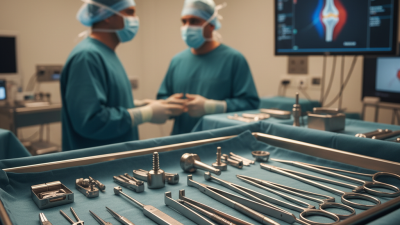
In the realm of medicine, "general surgical instruments" play a crucial role. They are the backbone of surgical procedures, enabling surgeons to perform complex tasks effectively. Dr. Jane Smith, a renowned surgeon with over 20 years of experience, once stated, "The right instruments can make or break a surgical procedure." This underscores the significance of quality and precision in surgical tools.
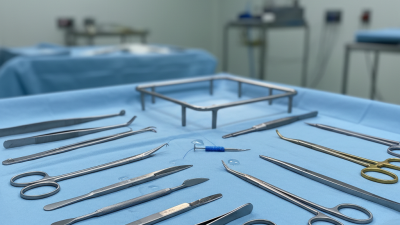
The variety of general surgical instruments is vast. From scalpels and scissors to forceps and clamps, each tool has a specific purpose. Their design often reflects years of evolution and innovation. However, even the finest instruments need regular maintenance to ensure reliability. Neglecting this aspect can lead to complications during surgery.
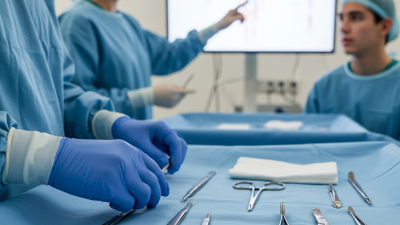
Understanding the importance of general surgical instruments is vital. Surgeons must be well-versed not only in how to use these tools but also in their upkeep. A misplaced tool or a malfunctioning instrument can have serious consequences. This highlights a common oversight in medical practices: the assumption that tools are always in optimal condition. Regular training and reviews can help address these gaps.
Definition and Overview of General Surgical Instruments
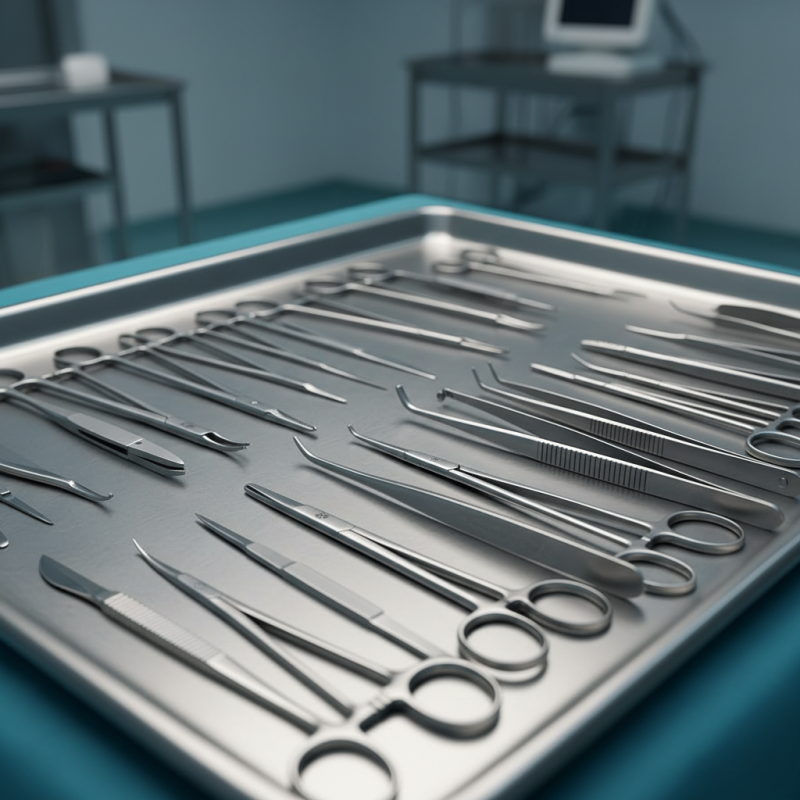
General surgical instruments are essential tools used in various medical procedures. They include scalpels, forceps, scissors, and clamps. Each instrument plays a specific role, ensuring precision and safety during surgical interventions. According to industry reports, the global surgical instruments market is projected to reach $15.7 billion by 2026, reflecting the growing demand for these critical tools.
The design and functionality of general surgical instruments have evolved significantly. Many instruments are now made from advanced materials, improving durability and reducing infection risks. However, concerns remain regarding instrument sterilization and handling. Inadequate sterilization can lead to serious post-operative infections, highlighting the need for strict protocols. Moreover, training for surgical staff is crucial to avoid misuse or mishandling.
Quality control in manufacturing surgical instruments is paramount. Studies show that up to 25% of surgical complications can be attributed to instrument deficiencies. Regular audits and checks are necessary to maintain standards. This reliance on high-quality instruments raises ethical questions about accessibility, especially in underfunded healthcare systems.
Importance of General Surgical Instruments in Surgery
The general surgical instruments play a crucial role in surgical procedures by facilitating various tasks such as cutting, clamping, suturing, and dissection. This chart illustrates the usage frequency of different types of surgical instruments commonly used in general surgeries and highlights their importance in surgical success.
Types of General Surgical Instruments and Their Functions
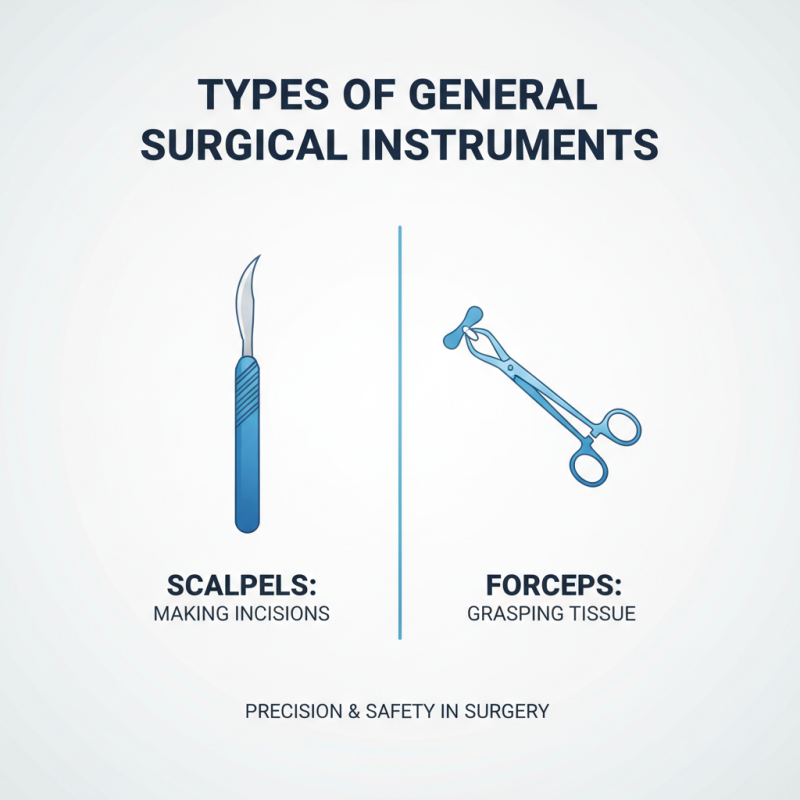
General surgical instruments are essential tools used in various surgeries to ensure precision and safety. These instruments can be categorized into several types, each serving a specific function. Scalpels are fundamental, providing sharp blades for making incisions. Forceps, meanwhile, are designed to grasp tissue, allowing for careful manipulation during procedures.
Scissors come in various types, including dissecting scissors and surgical scissors. These instruments help in cutting tissues and sutures with ease. Hemostats play a crucial role in controlling bleeding by clamping blood vessels. Additionally, needle holders assist surgeons in securely holding needles while stitching tissues.
**Tip:** Always familiarize yourself with each instrument before surgery. Knowing the purpose and handling of each tool can enhance performance in the operating room.
Miscommunication about the use of an instrument can lead to mistakes. For example, using a pair of scissors instead of hemostats may result in excessive bleeding. Ensure clear communication among the surgical team about the instruments in use.
**Tip:** Practice using instruments in a simulation environment. This builds confidence and reduces errors during actual procedures. Understanding the limitations and proper use of each tool is vital for successful surgeries.
Importance of Sterilization and Maintenance in Surgical Instruments
Surgical instruments play a crucial role in successful surgeries. Their efficacy largely depends on proper sterilization and maintenance. Contaminated instruments can lead to infections, complicating recovery for patients. Therefore, maintaining a sterile environment is vital, as it protects both patients and medical personnel.
When it comes to sterilization, autoclaving is a common and effective method. However, it’s not always perfect. Instruments may have residual debris that prevents complete sterilization. Regularly checking instruments for cleanliness is essential. A thorough visual inspection can catch issues early, before they become complications during procedures.
Tips for maintenance include regularly lubricating moving parts and checking for wear and tear. Instruments should not be left damp, as moisture can promote bacterial growth. Consider marking instruments that need repair or replacement. This encourages a culture of accountability among medical staff. Consistent practices enhance instrument longevity and surgical outcomes. It’s a continuous cycle of care that cannot be overlooked.
Role of Surgical Instruments in Different Surgical Procedures
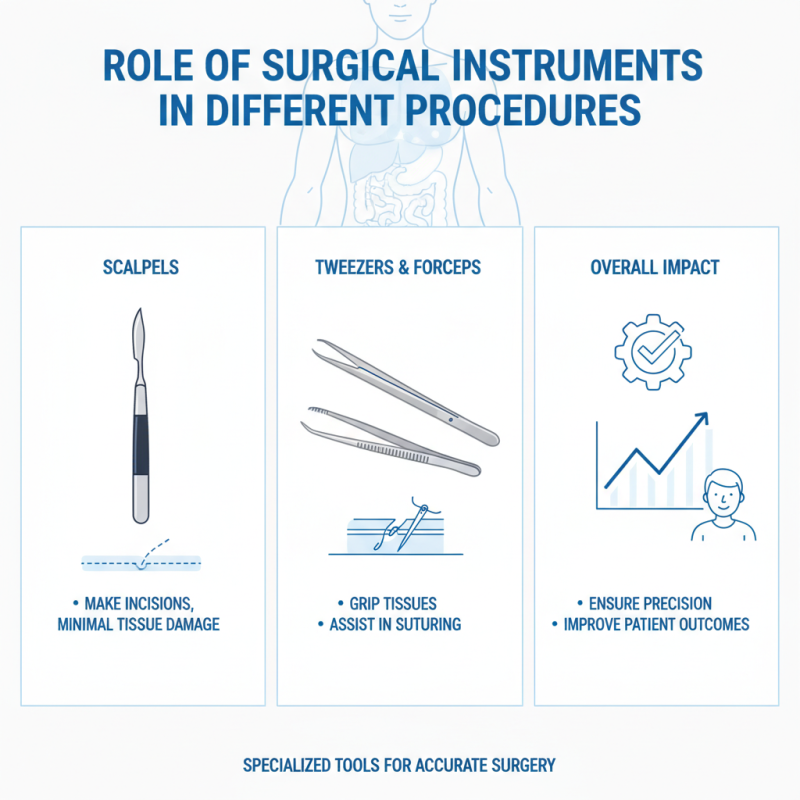
Surgical instruments play a crucial role in various medical procedures. These specialized tools are designed to perform specific functions, ensuring precision in surgery. For instance, scalpels are essential for making incisions. They allow surgeons to cut through skin and tissue with minimal damage. Tweezers and forceps assist in gripping tissues and suturing wounds. Their accuracy can significantly impact patient outcomes.
Different surgical procedures require different sets of instruments. For orthopedic surgeries, instruments like bone saws and drills are vital. In contrast, laparoscopic surgeries rely on specialized tools that can navigate smaller incisions. This shift towards minimal invasiveness highlights the evolution of surgical instrument design. Yet, improper use or malfunctioning tools can lead to serious complications during surgery.
Understanding the importance of surgical instruments extends to their maintenance and sterilization. Instruments need to be meticulously cleaned to prevent infections. Even a minor oversight can compromise a surgical procedure. Continuous training on proper usage is necessary for all healthcare professionals. This ensures that the instruments perform as intended in high-stakes environments.
Advancements in Surgical Instrument Technology and Their Impact
Advancements in surgical instrument technology have revolutionized the field of surgery. Newer instruments are designed for precision and efficiency. Robotic-assisted surgeries are now commonplace. These innovations lead to fewer complications and quicker recovery times for patients. The development of minimally invasive tools has made surgeries less daunting. Such techniques reduce patient trauma and scarring.
However, not all advancements come without challenges. Surgeons need extensive training to master new technology. Some instruments may malfunction if not properly maintained. This raises concerns about patient safety. Continuous education for medical professionals is essential. Staying updated with the latest techniques ensures better surgical outcomes.
Tips: Always inspect instruments before use. Check for any damage or wear. Regular training sessions can help sharpen skills. Surgeons should practice with new technology before performing procedures. This builds confidence and reduces risks during surgeries. Embracing change is vital, but it also demands careful consideration.
What is General Surgical Instruments and Their Importance in Surgery? - Advancements in Surgical Instrument Technology and Their Impact
| Instrument Type |
Description |
Importance in Surgery |
Recent Technological Advancements |
| Scalpel |
A small, sharp knife used for incisions. |
Essential for precise cutting during surgeries. |
Enhanced ergonomics and blade options for various procedures. |
| Forceps |
Tweezer-like instruments used for grasping. |
Critical for holding tissues and organs during procedures. |
New materials that offer better grip and reduce tissue trauma. |
| Scissors |
Used for cutting tissues, sutures, and bandages. |
Necessary for accurate dissection and surgical closure. |
Advanced designs for improved cutting efficiency and safety. |
| Hemostats |
Clamp-like instruments to control bleeding. |
Vital for maintaining a bloodless surgical field. |
Innovations in locking mechanisms for better stability. |
| Needle Holder |
Instrument used to hold a suturing needle. |
Essential for suturing tissues during closure. |
Improved grip and mechanical advantage in design. |