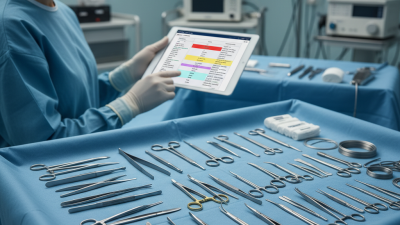
2026 How to Choose the Best Surgical Tools List?
Choosing the right surgical tools is critical for success in any procedure. According to Dr. James Thompson, a renowned surgeon and expert on surgical equipment, "The precision of the tools directly influences the outcome of surgery." In today's evolving medical landscape, selecting from a comprehensive list of surgical tools is more important than ever.
Surgeons face the challenge of navigating countless options. Each tool serves a unique purpose. Understanding their functions can be daunting. High-quality instruments enhance accuracy. However, not every tool in a list of surgical tools meets these standards. Subpar instruments risk complications during procedures.
Practitioners must stay informed about advancements. They should regularly evaluate their toolkits. Investing in surgical instruments requires careful consideration. Experience and expertise are vital. All tools should be assessed consistently for reliability and safety. Surgeons often reflect on their choices, acknowledging that not all tools perform as expected. An effective method is to routinely update one’s knowledge and revisit the tools they use.

Understanding the Importance of Selecting the Right Surgical Tools
Selecting the right surgical tools is crucial for effective procedures. According to the Association of periOperative Registered Nurses (AORN), improper tool selection contributes to 30% of surgical complications. The tools must be reliable, well-maintained, and suitable for the specific procedure. Using outdated instruments can compromise patient safety.
A recent analysis by the World Health Organization (WHO) found that surgical errors largely stem from inadequate tool choice. In surgeries with the wrong instruments, complication rates can spike by 25%. Each specialty has unique needs. For example, orthopedic surgery requires precision tools, while laparoscopic procedures need specialized instruments to minimize invasiveness. Each tool should enhance accuracy and efficiency, reducing recovery time.
Despite advancements in technology, flaws in tool selection remain. Some facilities still rely on a one-size-fits-all approach, which can lead to mistakes. Ongoing education for surgical teams is essential. Regular training ensures that staff stay informed about the latest developments and equipment. A well-informed surgical team improves patient outcomes and reduces risks by making better choices.
Factors to Consider When Choosing Surgical Instruments
When selecting surgical instruments, several factors are vital for ensuring high standards in patient care. Precision is critical. High-quality tools must feature accurate measurements. This minimizes the risk during procedures. Ergonomics also matters. Instruments should feel comfortable and balanced in the surgeon's hand. This reduces fatigue and enhances focus.
Tips: Always assess the material of the instruments. Stainless steel is common but can vary in quality. Cheaper options may corrode faster. Test the weight of the tools; overly light instruments might compromise effectiveness.
Another important aspect is the reputation of the manufacturer. Research their history and commitment to quality. Read reviews from experienced surgeons about specific instruments. This can help gauge reliability. However, keep in mind that experiences can differ widely. Some may advocate for specific instruments while others may disagree.
As you evaluate choices, remember that personal preference plays a role. What works for one surgeon may not feel right for another. Use firsthand experience to determine which tools best suit your style. Always keep learning and adapting to advancements in surgical technology.
Types of Surgical Tools and Their Specific Uses
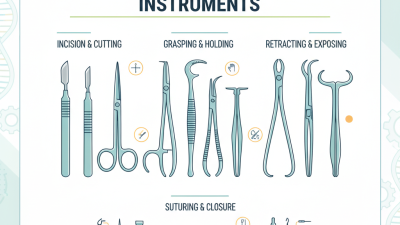
When choosing surgical tools, understanding their types and uses is crucial. Various surgical instruments serve specific purposes. For example, scalpels are essential for making incisions.
Scissors, on the other hand, are utilized for cutting tissues. Forceps play a vital role in grasping and holding objects during procedures. Each tool has its unique design, impacting its effectiveness.
Another category includes retractors, which help in holding back tissues for better visibility. Suction devices remove blood and fluids, allowing for a clearer view of the surgical site. Additionally, clamps
assist in controlling bleeding by compressing blood vessels. Notably, selection should consider the procedure type and patient needs.
However, selecting surgical tools is not always straightforward. Some tools may become dull or damaged, affecting performance. Surgeons must often reflect on their experiences to refine their preferences.
Understanding the strengths and weaknesses of each instrument is essential for optimal surgical outcomes. After all, the right tool can significantly impact the success of a procedure.
Evaluating the Quality and Safety of Surgical Instruments
Choosing the best surgical tools requires careful evaluation. Quality and safety are paramount. According to a report by the World Health Organization, poor-quality instruments can lead to increased surgical complications. Approximately 10% of surgical patients experience issues tied to faulty tools.
When assessing surgical instruments, consider their materials. Stainless steel is often preferred for its durability and corrosion resistance. However, even stainless steel can vary in quality. A study published in The Journal of Medical Devices highlighted that some tools had significant wear after just a few uses. Physicians must be vigilant and aware of such disparities in instrument performance.
Safety features are equally important. Look for instruments designed with ergonomic handles. These reduce the risk of slippage and improve precision. The FDA suggests that safe instruments offer affixed and smooth edges, minimizing the chances of injury. Regular maintenance and sterilization are crucial to sustaining their safety. Despite this, not all surgical units adhere to strict guidelines, leaving room for potential hazards. Always question instrument reliability to ensure patient safety.
Budgeting for Surgical Tools: Cost vs. Quality Analysis
When selecting surgical tools, budgeting becomes crucial. The cost of surgical instruments can vary significantly. High-quality tools may come with a steep price tag. It's essential to find a balance between cost and quality. Investing in durable and reliable tools often saves money in the long run. Cheaper options might lead to frequent replacements.
Assessing your specific needs is key. Different procedures require different instruments. Consider the surgical techniques your team specializes in. Sometimes, purchasing a versatile tool can be more economical than buying multiple specialized instruments. However, it’s important to avoid compromising on safety. Low-quality tools can hinder performance and affect patient outcomes.
Additionally, reflect on the total cost of ownership. Beyond initial expenses, consider maintenance and replacement costs. Some tools may need regular servicing. Budget constraints may pressure surgical teams to choose cheaper options. Yet, the potential risks associated with low-quality tools merit serious reflection. A thoughtful approach to budgeting will lead to better surgical outcomes over time.