2026 Best Surgical Instrument Sets for Global Procurement?
In the rapidly evolving field of healthcare, the importance of high-quality surgical instrument sets cannot be understated. Dr. Emily Chen, a leading expert in surgical innovation, has stated, "The right surgical instrument sets can transform the efficiency of a procedure." This sentiment underscores the vital role these tools play in the operating room.
Choosing the best surgical instrument sets involves careful consideration. Professionals must evaluate various factors such as durability, precision, and ease of use. The global market offers a vast array of options, yet not all meet the required standards. Some sets may lack reliability, leading to potential complications during surgeries. As Dr. Chen emphasizes, "Investing in quality pays off in patient outcomes."
As we look ahead to 2026, the demand for superior surgical instrument sets will likely increase. Healthcare providers must remain vigilant and proactive in their procurement processes. Ensuring access to the best instruments is crucial for improving surgical success rates while also mitigating risks. Balancing cost and quality remains a challenge that demands continuous reflection and adjustment.

Overview of Surgical Instrument Sets for Global Procurement
Surgical instruments play a crucial role in operating rooms worldwide. They are essential for various procedures, from routine surgeries to complex operations. A well-curated surgical instrument set ensures efficiency and safety during these critical moments. Each instrument must be crafted with precision and made of high-quality materials to withstand frequent use.
Choosing the right surgical instrument sets for global procurement involves understanding the specific needs of healthcare facilities. Consider the types of surgeries performed and the volume of procedures. It’s essential to evaluate the durability and ease of sterilization of the instruments.
Procurement specialists often face challenges in balancing cost and quality. Some sets might look appealing but fall short in performance.
Additionally, clear communication with manufacturers and suppliers enhances transparency. Understanding their production processes can aid in assuring product reliability.
Establishing partnerships with trusted sources is vital for maintaining consistent quality. However, medical facilities sometimes overlook the importance of ongoing training for staff.
Proper knowledge about instrument handling can minimize risks and errors during surgeries.
Criteria for Selecting the Best Surgical Instrument Sets
Selecting the best surgical instrument sets is crucial for healthcare facilities. Essential criteria include material quality, instrument variety, and ergonomics. Stainless steel instruments are preferred for their durability. The texture should offer a firm grip, minimizing fatigue during long procedures.
Another significant factor is instrument compatibility with various surgical techniques. Sets should cover a broad range of procedures, from general surgery to specialized fields. Misalignment in instrument design can lead to inefficiencies. Customization options allow for specific needs, but can add complexity to procurement.
Cost-effectiveness cannot be overlooked. Budget constraints often limit choices, yet investing in quality can reduce long-term costs. Low-cost options may lack reliability, leading to increased risk during operations. It's essential to strike a balance between price and performance. Reflection on past procurement experiences can enhance future decisions, ensuring better outcomes.
Top Brands and Manufacturers in Surgical Instrument Procurement
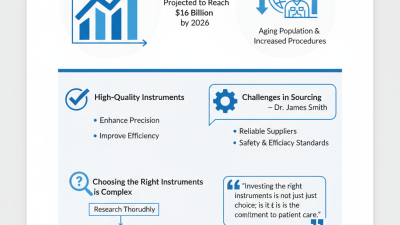
The landscape of surgical instrument procurement is evolving rapidly. According to a recent industry analysis, the global surgical instruments market is projected to reach $16.6 billion by 2026. This growth is driven by technological advancements and rising surgical procedures globally. High-quality surgical instrument sets are paramount for hospitals and clinics aiming for successful surgeries.
Leading manufacturers focus on innovation and quality. They invest in research to improve instrument designs and functionalities. Studies suggest that over 70% of healthcare buyers prioritize the reliability and durability of instruments. Yet, challenges remain. Many procurements face issues with consistency in instrument quality and sourcing. It highlights the need for transparent supplier evaluation processes.
Furthermore, the economic impact of procurement decisions cannot be understated. Hospitals face budget constraints, yet must ensure optimal patient outcomes. Balancing cost with quality is tough. Some global procurement data indicates that around 30% of institutions resort to subpar instruments due to price pressures, risking patient safety. This raises questions. How can procurement processes evolve to ensure the highest standards while meeting financial realities?
Trends and Innovations in Surgical Instrument Technology
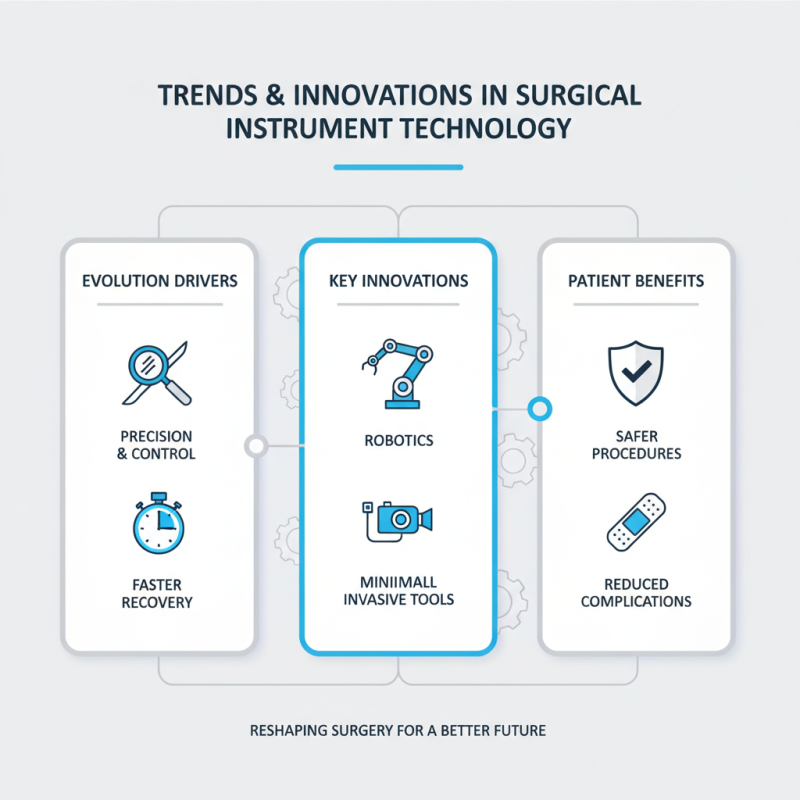
The landscape of surgical instrument technology is rapidly evolving. Surgeons now seek instruments that not only perform well but enhance precision and control. Innovations like robotics and minimally invasive tools are reshaping surgical procedures. These advancements reduce recovery time and minimize complications, making surgeries safer for patients.
Smart instruments are gaining traction. Devices equipped with sensors can monitor vital statistics during operations. This data integration allows for real-time adjustments, improving outcomes. However, implementing such technology requires thorough training. Misuse can lead to serious consequences, emphasizing the need for experienced professionals.
Sustainability is another key trend. Reusable instruments are being prioritized to reduce environmental impact. While this approach is cost-effective, it raises questions about sterilization processes. Institutions must ensure that high standards are maintained. Adapting to these changes takes time and resources. The journey toward a more advanced surgical environment is complex, requiring continuous reflection and improvement.
Challenges in Global Procurement of Surgical Instruments
The global procurement of surgical instruments faces numerous challenges. Discrepancies in quality standards are a significant concern. Different countries have varying regulations. This inconsistency can lead to complications in healthcare delivery. Ensuring that all instruments meet safety and efficacy standards is crucial.
Logistical hurdles also play a significant role. Shipping times can be unpredictable. Additionally, tariffs and import restrictions can delay the arrival of essential instruments. These disruptions not only affect surgical schedules but also patient outcomes. Price fluctuations in the global market contribute to further uncertainties in budgeting.
There is a need for unified guidelines in procurement practices. Collaboration between manufacturers and healthcare providers is essential. Transparency in the supply chain could enhance trust. However, challenges remain in communication and the ability to adapt quickly. The growing demand for customization in surgical instruments also complicates procurement strategies. This complexity requires ongoing analysis and flexibility in planning.
2026 Best Surgical Instrument Sets for Global Procurement
This bar chart illustrates the procurement challenges faced in acquiring surgical instruments globally. The data reflects the percentages of challenges reported by numerous healthcare providers.