10 Best Orthopedic Surgical Tools for Global Buyers?

Choosing the right orthopedic surgical tools requires more than comparing prices or product photos. Global buyers must assess clinical purpose, manufacturing quality, sterilization performance, and supplier reliability. A polished catalog can still hide weak documentation or limited after-sales support.

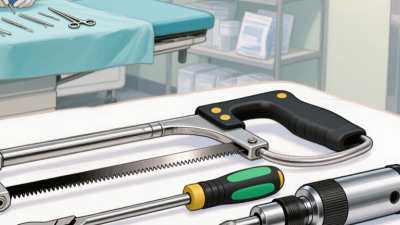
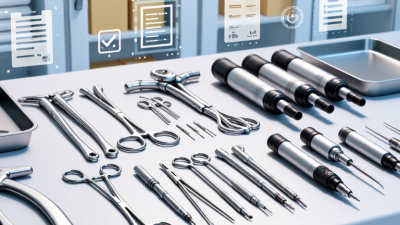
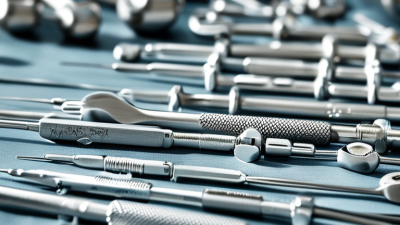
This guide introduces ten important orthopedic surgical tools used across trauma, joint, and reconstructive procedures. The selection includes bone saws, surgical drills, retractors, osteotomes, rongeurs, forceps, screwdrivers, and related instrument systems. Each category deserves practical attention. A drill should provide stable speed and controlled handling. A retractor should resist pressure without damaging surrounding tissue. A reusable instrument must also tolerate repeated cleaning, sterilization, and inspection.

Experienced procurement teams often examine stainless-steel grades, surface finishing, grip design, compatibility, and service availability. They also request certificates, technical specifications, quality records, and clear instructions for use. These details support safer purchasing decisions. However, supplier claims should not be accepted without verification. Independent testing, hospital feedback, and sample evaluation remain valuable.

No single tool suits every operating room. That limitation matters. Budget, surgical volume, surgeon preference, and local maintenance capacity can change the best choice. Some buyers may prioritize lightweight manual instruments, while others need powered systems with dependable battery support. The following overview helps global buyers compare orthopedic surgical tools with greater confidence, while recognizing that clinical teams and qualified professionals must make final decisions. Procurement is not only a purchasing task. It is a patient-safety responsibility.
10 Best Orthopedic Surgical Tools for Global Buyers?

Orthopedic Surgical Tools: Definition, Scope, and Clinical Role

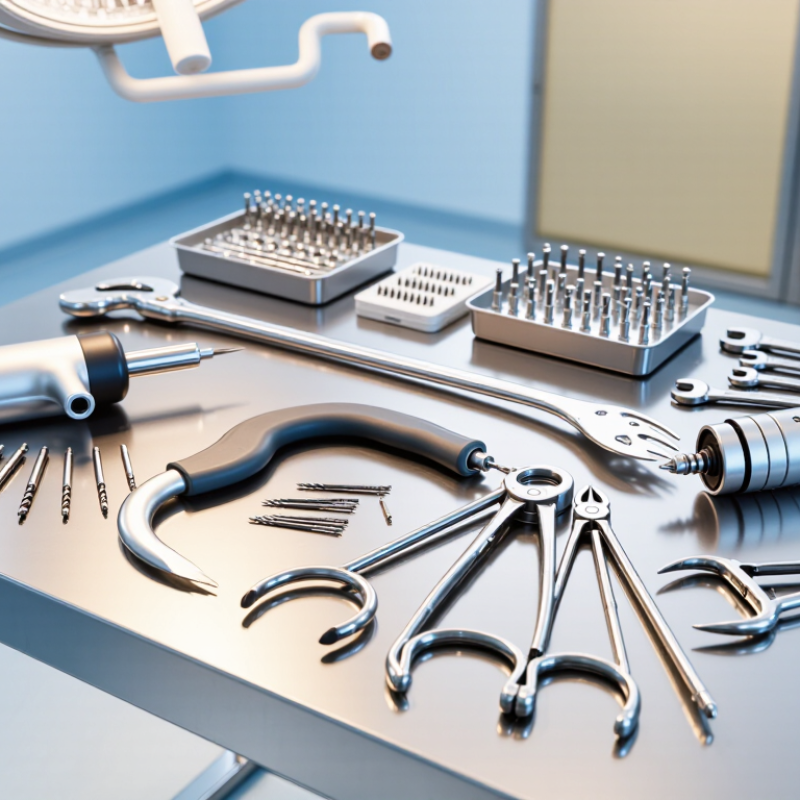
Orthopedic surgical tools are purpose-built instruments used to expose, cut, shape, stabilize, and repair bone or soft tissue. Their scope includes retractors, osteotomes, rasps, drills, saws, alignment guides, and fixation instruments. Each tool must match the procedure, anatomy, surgeon’s technique, and sterilization workflow. A powered drill may improve speed, while a manual instrument can provide finer tactile feedback.

Clinical need is substantial. The World Health Organization reports that musculoskeletal conditions affect about 1.71 billion people worldwide. This burden increases demand for trauma, joint-replacement, and spine procedures. Global buyers should assess more than material and price. They should review mechanical strength, corrosion resistance, grip design, measurement accuracy, cleaning access, and compatibility with local sterilization systems. ISO 13485 quality systems and ISO 14971 risk-management practices offer useful reference points, where applicable.

In real operating rooms, small details matter. A poorly balanced handle can increase fatigue during a long procedure. A hard-to-clean hinge may create avoidable processing risk. The OECD’s Health at a Glance 2023 shows wide international variation in surgical activity and hospital resources, so one standard purchasing list may fail across regions. I would not label one instrument universally “best.” That claim ignores surgeon preference, training, service support, and local infrastructure. Better decisions come from procedure-based trials, documented maintenance data, and feedback from sterile-processing teams.

Key Criteria for Evaluating Orthopedic Surgical Tools

10 Best Orthopedic Surgical Tools for Global Buyers?

Key Criteria for Evaluating Orthopedic Surgical Tools

Choosing orthopedic surgical tools requires more than comparing prices or counting pieces. Inspect the steel grade, surface finish, jaw alignment, and locking action. A clamp should close smoothly without excessive force. Cutting edges must remain precise after repeated cleaning cycles. Small defects matter.

Safety depends on documented performance. Review material certificates, sterilization instructions, inspection records, and traceability information. Check whether the instruments support the hospital’s sterilization equipment and surgical workflow. International buyers should also confirm applicable regulatory requirements, labeling, packaging, and import documentation. Supplier training and responsive technical support add practical value.

Tips: Request sample instruments before placing a large order. Test grip comfort with gloves, especially during long procedures. Measure tray space and verify compatibility with existing systems. Ask for maintenance guidance and replacement timelines. Do not trust appearance alone. A highly polished surface may hide poor alignment or weak hinges. I have seen evaluation plans focus heavily on unit cost while overlooking repair delays. That approach needs reconsideration. A slightly higher purchase price may reduce downtime, but only when performance evidence supports it.

Ten Essential Orthopedic Surgical Tools and Their Primary Uses

Ten Essential Orthopedic Surgical Tools and Their Primary Uses

Orthopedic procedures depend on instruments that provide control, visibility, and predictable mechanical performance. A bone saw creates clean cuts during osteotomy or joint replacement preparation. An oscillating saw helps limit soft-tissue movement around precise bone cuts. An osteotome separates or shapes bone, while a surgical mallet delivers controlled force. Small differences matter.

A surgical drill creates holes for screws, plates, or fixation wires. A reamer enlarges and smooths a prepared canal before implant placement. A wire driver advances or removes thin fixation wires with better control. Reduction forceps hold fractured bone fragments in alignment during fixation. Retractors maintain exposure and protect nearby tissue. A suction and irrigation system removes blood, bone debris, and heat during powered work. These tools should match the anatomy, procedure, and surgical plan. No instrument is universally suitable.

Tips: Inspect cutting edges, insulation, handles, and connectors before use. Confirm sterilization records and compatibility with the operating system. Keep powered tools cool during prolonged drilling or sawing. A dull blade can increase pressure and tissue injury. Document maintenance concerns, even when the tool still appears functional. In practice, selection is not always perfect; surgeon preference, access limitations, and unexpected bone quality can change the plan. No checklist replaces judgment.

Materials, Sterilization, and Quality Standards

10 Best Orthopedic Surgical Tools for Global Buyers?

Orthopedic tools must tolerate force, moisture, repeated cleaning, and precise handling. Common choices include bone saws, drills, osteotomes, rongeurs, retractors, reduction clamps, and depth gauges. Stainless steel, especially corrosion-resistant surgical grades, suits many cutting and grasping instruments. Titanium offers lower weight and useful corrosion resistance. Tungsten carbide inserts can improve cutting durability, but they require careful inspection. Fit matters. Hinges should move smoothly without side play. Serrations should meet evenly. Cutting edges must remain sharp, not merely polished.

Sterilization begins before the autoclave. Staff should remove bone debris promptly, separate hinged instruments, and follow validated cleaning instructions. Ultrasonic cleaning may help with narrow grooves, but it cannot replace manual inspection. Steam sterilization is widely used for compatible reusable tools. Parameters must follow the instrument and sterilizer instructions, with routine monitoring and documented cycles. Do not guess. Packaging should protect tips and allow steam penetration. Some instruments may require special processes, so a universal cycle is not always appropriate.

Global buyers should request material certificates, inspection records, batch traceability, and clear reprocessing instructions. Quality systems aligned with ISO 13485 can support consistent production, while ISO 17664 helps organize processing information. Dimensional checks, hardness testing, passivation, surface-finish inspection, and corrosion testing deserve attention. A certificate alone does not prove field performance. Documentation matters. I have seen purchasing teams focus on price and overlook repairability, training, or replacement timing. That decision can create hidden costs. A careful evaluation should include sample testing, sterilization compatibility, packaging condition, and feedback from experienced surgical staff.

Global Sourcing, Compliance, and Maintenance Considerations

10 Best Orthopedic Surgical Tools for Global Buyers?

For global buyers, “best” means dependable performance, verified compliance, and manageable upkeep. A practical orthopedic set may include bone saws, surgical drills, reamers, osteotomes, retractors, forceps, clamps, rasps, screwdrivers, and torque limiters. Each tool should match the procedure, surgeon preference, and local purchasing requirements. Balance matters. A heavy drill can increase fatigue during long procedures.

Request material certificates, dimensional drawings, inspection records, and sterilization instructions before approval. Confirm the supplier’s quality system, risk controls, traceability process, and product labeling. Requirements differ between markets, so buyers should check the destination country’s medical-device authority. Do not rely only on a familiar certificate. Its scope may not cover the specific instrument. Sample testing should include grip comfort, joint movement, cutting performance, corrosion resistance, and cleaning access. Small defects can become expensive problems.

Tips: Ask for a maintenance schedule with every quotation. Inspect hinges, teeth, insulation, and cutting edges after each use. Follow validated cleaning and sterilization parameters, not assumptions. Keep lot records and replacement intervals. A low price may hide fragile coatings or limited spare parts. No checklist is perfect. Review field feedback regularly, because real operating conditions often reveal weaknesses that laboratory samples miss.

10 Best Orthopedic Surgical Tools for Global Buyers

Global sourcing, compliance, and maintenance readiness benchmark

Scores use a 1–10 procurement benchmark: higher values indicate broader sourcing availability, clearer regulatory documentation pathways, and simpler maintenance or sterilization workflows. The benchmark is intended for initial supplier screening and does not replace country-specific regulatory or clinical assessment.