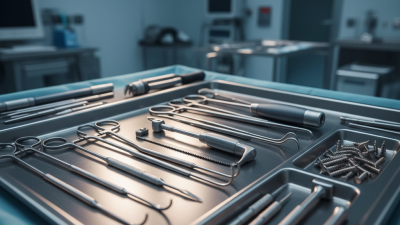
Top 10 Orthopedic Surgical Tools for Global Buyers Insights
In the realm of orthopedic surgery, the right tools are essential for successful outcomes. Orthopedic surgical tools are specifically designed to assist surgeons in performing complex procedures. They vary widely, from basic instruments to advanced technology, catering to diverse surgical needs.
Many global buyers seek high-quality orthopedic surgical tools. Understanding these instruments can enhance the effectiveness of surgeries. Selecting the right tools involves considering their design, durability, and usability. Each tool plays a vital role in a surgeon’s toolkit, impacting patient recovery and safety.
However, not all tools are created equal. It's crucial for buyers to evaluate the reliability of suppliers. Despite advancements, some products may fall short of expectations. Identifying the best orthopedic surgical tools requires diligent research and critical analysis. Embracing these considerations ensures that surgeons are equipped with the best possible instruments, ultimately improving surgical precision and patient care.
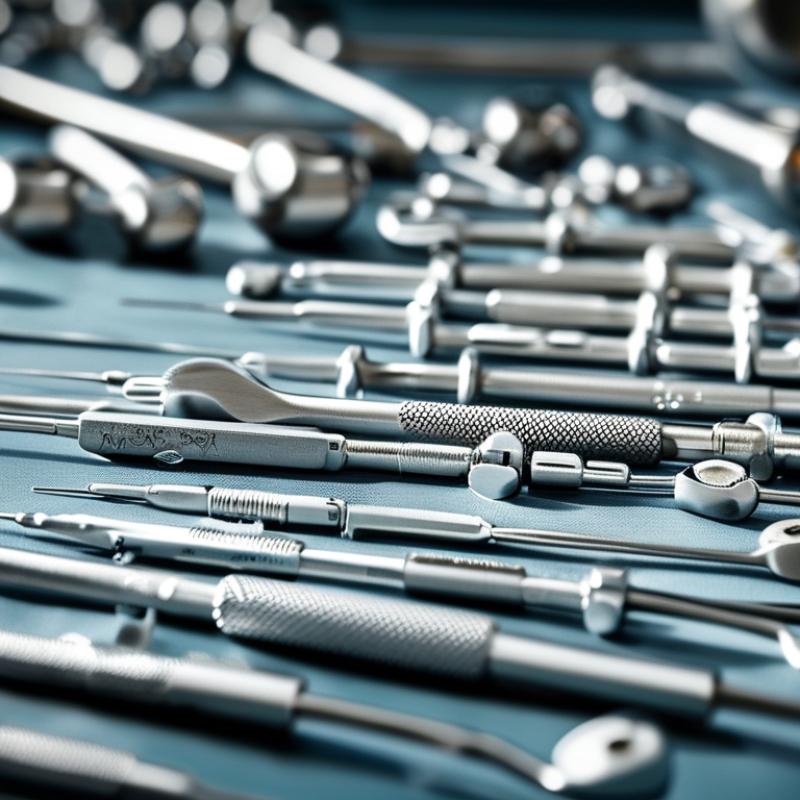
Overview of Orthopedic Surgical Tools and Their Importance
Orthopedic surgical tools play a vital role in modern healthcare. These instruments aid in the diagnosis, treatment, and rehabilitation of musculoskeletal issues. A study highlights that approximately 21 million orthopedic procedures are performed annually worldwide. This reflects the significant demand for effective surgical interventions.
The importance of these tools cannot be overstated. Precision instruments allow surgeons to perform complex procedures with accuracy. For instance, the success rate of joint replacement surgery can reach up to 95%. However, there are areas needing improvement, such as the training of healthcare personnel on using advanced tools. A report by the Orthopedic Research Society indicates a gap in knowledge, suggesting that over 40% of practitioners feel unprepared for new technologies.
Quality and reliability are essential in this field. Even minor defects in tools can lead to complications. Patients rely on these instruments for successful outcomes. Investing in high-quality surgical tools is crucial to enhancing patient safety. As the industry evolves, continuous education and awareness become imperative for practitioners. This ensures they remain adept in using innovative tools for better surgical results.
Top 10 Orthopedic Surgical Tools for Global Buyers Insights
| Tool Name |
Material |
Application |
Importance |
Market Demand |
| Scalpel |
Stainless Steel |
Incisions |
High |
Very High |
| Bone Saw |
Carbon Steel |
Bone Cutting |
Critical |
High |
| Forceps |
Titanium |
Tissue Grasping |
High |
Medium |
| Retractor |
Stainless Steel |
Wound Exposure |
High |
Medium |
| Drill |
Aluminum Alloy |
Bone Drilling |
Essential |
High |
| Screwdriver |
Steel |
Screw Insertion |
High |
Medium |
| Harmonic Scalpel |
Titanium Composite |
Tissue Cutting and Sealing |
Very High |
Increasing |
| Curette |
Stainless Steel |
Scraping |
Moderate |
Medium |
| Needle Holder |
Stainless Steel |
Suturing |
High |
High |
| Suction Device |
Plastic |
Fluid Removal |
High |
Medium |
Essential Features to Consider When Choosing Surgical Tools
Choosing the right orthopedic surgical tools is a critical decision for healthcare professionals. Essential features can elevate surgical precision and patient outcomes. Durability is paramount; tools must withstand rigorous use. The material quality matters, too, as stainless steel is often preferred for its corrosion resistance. Ergonomics play a role; comfortable handles reduce fatigue during lengthy procedures.
Compatibility with existing systems is another vital feature. Tools should integrate seamlessly with surgical protocols. This enhances efficiency and minimizes errors. Weight and balance significantly impact control. Lightweight tools enable better maneuverability, even in complex surgeries. Additionally, ensure that instruments allow for easy sterilization. Hygiene is non-negotiable in any surgical setting.
It’s also important to consider user feedback. Surgeons often discuss their experiences and preferences. This can reveal strengths and weaknesses in specific tools. Watching instructional videos on techniques can highlight subtleties you may overlook. It’s a learning opportunity, offering insights into best practices. Always reflect on your tool choices and be open to adjustments based on evolving techniques and technologies.
Top 10 Must-Have Orthopedic Surgical Instruments for Global Buyers
When it comes to orthopedic surgery, having the right instruments can significantly affect outcomes. Essential tools play a pivotal role in precision and safety during procedures. Surgeons rely on various instruments, from scalpels to screwdrivers, to navigate complex surgeries. A high-quality tourniquet is crucial in reducing blood flow. This simple device can make a major difference in visibility, leading to better results.
Instruments like bone chisels must be sturdy and well-designed. They help shape bones effectively and efficiently. However, over time, wear and tear can affect their performance. It's essential to regularly assess the state of these tools. Surgeons might also find value in having multiple sizes of forceps. This allows for flexibility during surgeries, accommodating different patient needs. The market offers a variety of materials, each with its benefits and drawbacks.
Additionally, understanding global trends in instrument design is vital. Innovation often leads to better ergonomics and usability. However, not every new tool will suit every surgeon's style or preferences. Buyers should consider both traditional tools and new advancements. The balance between reliability and modernity is essential. Investing in quality instruments can yield significant returns in patient care and surgical efficiency.
Comparative Analysis of Popular Orthopedic Surgical Tools Brands
When analyzing the landscape of orthopedic surgical tools, various brands stand out among clinicians. The focus should be on the design, functionality, and adaptability of these tools. Each brand offers unique features that cater to specific surgical needs. For instance, some tools are especially engineered for precision in minimally invasive surgeries. This has opened up new avenues for patient recovery and tool effectiveness.
Price points can vary significantly across brands. Higher costs do not always equate to better quality. Some brands might offer equally effective tools at a lower price. It's essential for buyers to assess the cost-to-benefit ratio carefully. Reliability in surgical tools plays a critical role. Tools that fail during surgery can lead to complications.
User feedback offers valuable insights into real-world applications. Many surgeons have preferences based on personal experience with tool performance. Some tools may feel clumsy or less intuitive to use, raising questions about design choices. Understanding these nuances is vital for making informed purchasing decisions. The orthopedic field continues to evolve, and ongoing evaluation of surgical tools remains essential for patient care.
Future Trends in Orthopedic Surgical Tool Technologies and Innovations
Innovations in orthopedic surgical tools are rapidly advancing. New materials and technologies are driving improvements in efficiency and precision.
3D printing is becoming popular, creating customized tools for each patient. This technology can reduce costs and time in surgery.
Robotic assistance is another trend reshaping orthopedic surgery. Precision robotic systems enable surgeons to perform intricate procedures with enhanced accuracy. However, the integration of robotics also brings challenges. Surgeons must undergo extensive training. They need to adapt to new workflows, which may not always be seamless.
Virtual reality (VR) is making inroads in surgical planning and training. This technology allows surgeons to simulate procedures before actual operations. Yet, relying heavily on simulation can create overconfidence. Balancing traditional skills with technological advancements is crucial for effective outcomes. Finding this balance will be essential as orthopedic tools continue to evolve.