2026 Top Orthopedic Surgical Tools Buyers Guide?
In the rapidly evolving field of orthopedic surgery, the choice of tools plays a critical role. Dr. Emily Johnson, a renowned orthopedic surgeon, once stated, "The right orthopedic surgical tools can significantly enhance precision and patient outcomes." As technological advancements continue, the market is flooded with options, often leading to confusion for buyers.
Understanding what makes orthopedic surgical tools effective is essential. Factors like durability, ergonomics, and precision are critical. Surgeons must pick tools that not only meet their specific needs but also adapt to the advancements in surgical techniques. The question arises: how do you navigate this abundance of choice?
Selecting the right tools can be daunting. Many surgeons report facing challenges in making informed decisions. This guide aims to provide clarity, helping buyers to confidently choose orthopedic surgical tools that align with their practice's requirements. The right investments today pave the way for enhanced procedural efficiency and better patient care in the long run.

Essential Factors to Consider When Choosing Orthopedic Surgical Tools
Choosing the right orthopedic surgical tools is critical for successful outcomes. Surgeons must consider various factors to ensure optimum performance and safety. According to a report by the American Academy of Orthopaedic Surgeons, approximately 40% of surgical complications relate to the improper use or selection of tools. This statistic underscores the significance of careful tool selection.
Material quality is paramount. High-grade stainless steel or titanium are preferred for tools due to their durability and resistance to corrosion. Furthermore, ergonomic design enhances surgeon comfort, reducing fatigue. A study published in the Journal of Orthopedics emphasizes that tools designed for ease of use can improve surgical efficiency by up to 30%.
Another key consideration is the sterilization process. Tools that are easy to clean and sterilize significantly lower infection risk. Research indicates that up to 15% of surgical site infections are linked to inadequate tool maintenance. This highlights the necessity for maintaining strict hygiene standards. Each tool must be evaluated for its longevity and effectiveness in real-world scenarios, reflecting the complexity of orthopedic surgeries and the need for reliable instruments.
Overview of Different Types of Orthopedic Surgical Tools Available in 2026
In 2026, orthopedic surgical tools have evolved significantly. Surgeons now have access to a wide range of innovative instruments designed to enhance precision and outcomes. The key categories include cutting tools, fixation devices, and navigational technology. Each category addresses specific surgical needs, helping professionals make informed choices.
Cutting tools like chisels and oscillating saws are essential in bone surgeries. Research indicates that a high-quality cutting tool can reduce operation time by as much as 30%. Meanwhile, fixation devices such as plates, screws, and rods provide stability post-surgery. Modern advancements ensure that these devices are lightweight yet strong, enhancing patient recovery.
Navigational technology has also transformed orthopedics. Systems using augmented reality and robotic assistance offer surgeons enhanced visualization. A recent report showed that 70% of orthopedic surgeons are adopting these technologies. While these advancements boost surgical success rates, they also require thorough training. Not all practitioners are fully utilizing these tools, reflecting a gap that may affect patient care. Continuous education is crucial for integrating these advanced technologies into everyday practices.
Top Manufacturers and Brands of Orthopedic Surgical Instruments
When selecting orthopedic surgical tools, several key manufacturers stand out for their innovation and reliability. These brands focus on producing high-quality instruments that are essential for successful surgeries. Their tools cater to various orthopedic procedures, from joint replacement to fracture fixation. Whether you need surgical knives, clamps, or specialized implants, these companies offer extensive catalogs for surgeons to choose from.
The expertise behind these manufacturers is crucial. Many of them partner with experienced orthopedic surgeons to develop tools that meet the rising demands in the operating room. This collaboration ensures that the instruments are user-friendly and efficient. While some tools may seem straightforward, the precision involved is significant. Details like grip comfort and weight distribution matter immensely during complex procedures.
Some instruments, however, may not meet every surgeon’s preferences. Feedback from professionals indicates that certain designs could use improvement. A tool that works for one surgeon may not work for another. Therefore, ongoing evaluation of these instruments is essential. Choosing the right tools requires a careful consideration of both personal preferences and the unique challenges presented by each case. The landscape of orthopedic surgical instruments is ever-evolving, inviting continuous learning and adaptation from healthcare providers.
Innovative Technologies in Orthopedic Surgery Tools for 2026
Innovative technologies are transforming orthopedic surgical tools in 2026. Advanced robotics and augmented reality are making significant strides in precision and accuracy. According to recent data, robotic-assisted surgeries have increased by 38% over the last three years. This enhancement offers surgeons a more controlled approach, reducing human error during procedures.
Another notable advancement is the implementation of smart surgical instruments. These tools utilize real-time data to provide feedback during operations. For instance, a study published in the Journal of Orthopedic Research indicated that smart instruments can reduce surgery time by up to 30%. However, the reliance on technology also raises questions about the potential for over-dependence on these tools, which may risk diminishing hands-on skills among surgeons.
Additionally, new materials such as bioresorbable implants are gaining traction. They offer the advantage of eliminating the need for secondary surgeries. Despite their potential, some experts caution about the long-term viability and strength of these materials in demanding orthopedic applications. This ongoing evolution reflects the necessity for continuous education and adaptation among orthopedic professionals.
2026 Top Orthopedic Surgical Tools Buyers Guide
| Tool Type |
Material |
Innovative Feature |
Application Area |
Estimated Cost |
| Arthroscopy Instruments |
Stainless Steel |
Integrated Camera System |
Joint Surgery |
$5,000 - $10,000 |
| Bone Saw |
Titanium Alloy |
Ultra-Fine Blade Technology |
Orthopedic Surgery |
$3,000 - $7,000 |
| Surgical Drill |
Carbon Fiber |
Vibration Reduction System |
Reconstructive Surgery |
$4,000 - $9,000 |
| Intraoperative Imaging Devices |
Composite Material |
Real-Time Feedback |
Minimally Invasive Surgery |
$15,000 - $25,000 |
| Surgical Navigation Systems |
High-Density Plastic |
3D Mapping Technology |
Spinal Surgery |
$20,000 - $50,000 |
Guidelines for Maintaining and Caring for Orthopedic Surgical Tools
Maintaining orthopedic surgical tools is crucial for ensuring their efficiency and longevity. Regular cleaning is essential. After each use, tools should be thoroughly washed and dried. This prevents rust and corrosion, which can compromise their effectiveness. Use appropriate cleaning solutions that are known to sanitize without damaging delicate surfaces.
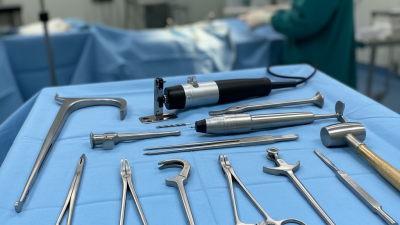
Storage of these tools also demands attention. Tools should be organized in a clean, dry environment. A designated surgical tray ensures that they remain together and protected. Avoid overcrowding, as this can lead to wear and potential damage. Periodically inspecting your tools for signs of wear can save costs and improve safety.
It’s worth noting that improper maintenance can lead to mistakes during surgery. This highlights the importance of education in tool care. Training staff on best practices can reduce errors. Mistakes in handling can stem from neglect or lack of knowledge. Reflecting on these practices can lead to improvements in surgical outcomes.