2026 Best Orthopedic Devices for Global Buyers?

Global buyers entering the 2026 orthopedic devices market need more than attractive prices or polished catalogues. They need evidence, traceability, and practical suitability. A knee implant may look excellent on paper, yet its coating, sizing range, sterilization method, and surgical instruments determine real performance. Hospitals also examine training support, inventory stability, repair services, and post-market reporting. Small details matter.

Sir John Charnley, a pioneer of modern hip replacement, stated, “The most important single factor in the success of total hip replacement is the fixation of the components.” His observation still deserves attention. A device must fit clinical reality, not only satisfy a product specification. Buyers should review clinical evidence, regulatory clearance in the target market, material compatibility, packaging integrity, and supplier quality systems. They should also ask uncomfortable questions. Can the manufacturer support surgeons during a difficult case? Are replacement parts available after three years? What happens when a shipment is delayed?

The strongest orthopedic devices are not always the newest. Sometimes, a proven design with transparent data offers safer value than an untested innovation. That judgment requires orthopedic surgeons, procurement teams, biomedical engineers, and regulatory specialists to work together. No ranking can remove every uncertainty. Human anatomy varies. Surgical skill varies. Supply chains fail. Still, careful comparison can reduce avoidable risk and improve long-term outcomes for patients, providers, and global healthcare buyers.

2026 Best Orthopedic Devices for Global Buyers?

Orthopedic Device Categories and Their Clinical Uses in 2026

2026 Best Orthopedic Devices for Global Buyers?

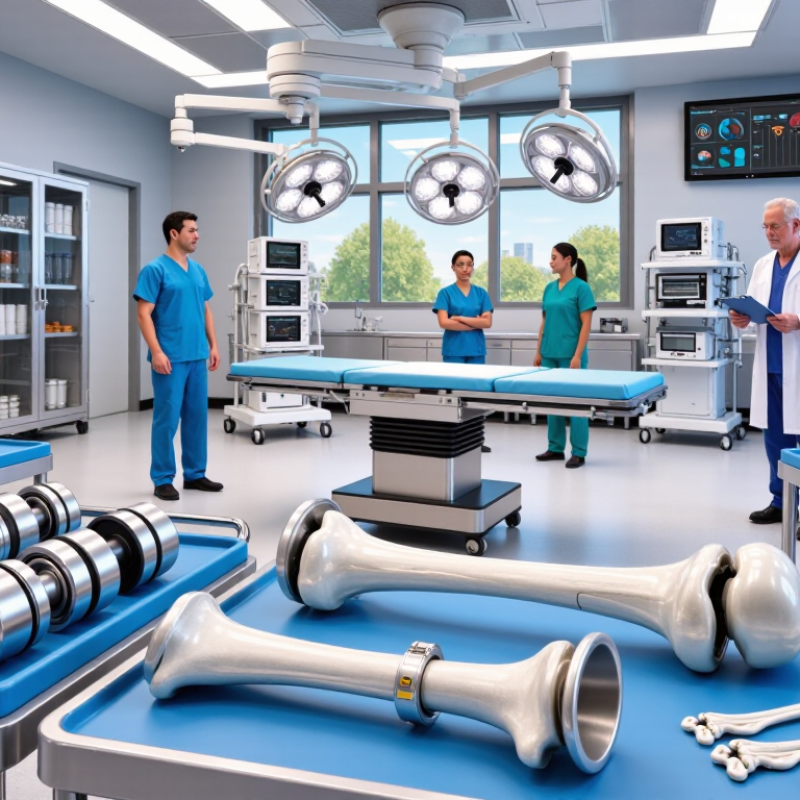
Orthopedic device categories now serve distinct clinical problems. Joint replacement systems support damaged hips, knees, and shoulders. Trauma fixation devices stabilize fractures with plates, screws, nails, and external frames. Spinal implants help manage selected instability, deformity, and degenerative conditions. Arthroscopy tools support minimally invasive treatment of torn cartilage, ligaments, and joint surfaces.

Clinical fit matters more than catalog size. The World Health Organization reports that musculoskeletal conditions affect about 1.71 billion people worldwide. This burden increases demand for reliable implants and rehabilitation pathways. Grand View Research estimated the global orthopedic devices market at over 40 billion US dollars in 2023, with continued growth expected through 2030. These figures show market momentum, not automatic clinical value. Hospitals should review sterilization methods, imaging compatibility, instrument requirements, surgeon training, and revision support. Small details matter.

Orthobiologic products may assist bone or tissue healing in carefully selected cases. Rehabilitation devices can support controlled movement after surgery. Evidence varies between categories and indications. That is easy to overlook. A lower purchase price may create higher costs through revisions, inventory waste, or limited training. Procurement teams should compare peer-reviewed evidence, regulatory documentation, local service capacity, and patient outcomes. No single device category fits every healthcare system. The best decision may still be imperfect.

Key Materials, Technologies, and Design Advances

2026 Best Orthopedic Devices for Global Buyers?

Key Materials, Technologies, and Design Advances

In 2026, orthopedic buyers are examining materials beyond strength and price. Titanium alloys remain valuable for their balance of durability, weight, and tissue compatibility. Advanced polymers can reduce friction in joint components and improve movement. Ceramic surfaces offer smooth contact, but they require careful handling during manufacturing and placement. No material is perfect.

Surface engineering is becoming equally important. Porous structures can support bone integration, while controlled textures may improve fixation stability. Additive manufacturing enables lattice designs that resemble natural bone patterns. However, complex surfaces can complicate cleaning, inspection, and quality control. This trade-off deserves serious review.

Design teams are also improving patient-specific planning. Imaging data can guide implant geometry, cutting tools, and surgical alignment. Digital simulation may reveal stress concentrations before production. Useful technology, but not magic. Buyers should request evidence from testing, clinical experience, and real manufacturing records. Small details matter.

For global procurement, modular systems can simplify sizing and inventory management. Clear labels, consistent measurements, and multilingual instructions reduce avoidable errors. Devices should also support practical surgical workflows, including limited visibility and time pressure. A lightweight instrument may seem ideal, yet poor grip design can frustrate experienced users. Supplier audits, traceability documents, sterilization data, and post-market feedback help separate genuine advances from attractive claims.

How Global Buyers Should Compare Safety, Quality, and Performance

Global buyers comparing orthopedic devices in 2026 should examine safety before marketing claims. The WHO Global Patient Safety Action Plan 2021–2030 reports that one in ten patients experiences harm during healthcare, with more than half considered preventable. That figure should change purchasing habits. Ask for validated sterilization records, material certificates, UDI traceability, and documented complaint handling. Shortlist three suppliers.

Quality evidence must extend beyond a polished brochure. ISO 14971-based risk management should identify mechanical, biological, and usability risks. Review fatigue-testing methods, corrosion results, packaging integrity, and shelf-life data. FDA annual medical-device recall reports have recorded more than 1,000 recalls in recent years. Therefore, request recall histories and corrective-action records. A clean sales presentation proves little.

Performance should reflect clinical use, not only laboratory strength. Compare revision rates, implant survival, operating time, and imaging compatibility where reliable data exist. The OECD Health at a Glance reports emphasize measurable outcomes and international comparability, but datasets can vary between hospitals. That weakness matters. A buyer should check follow-up duration, sample size, and patient demographics. I would also inspect one physical package: labels, seals, instructions, and lot numbers often reveal process discipline. No scorecard is perfect. Experienced surgeons and biomedical engineers should review the evidence together, while procurement teams document every unanswered question.

2026 Best Orthopedic Devices for Global Buyers? — How Global Buyers Should Compare Safety, Quality, and Performance
Device Category Typical Clinical Application Common Materials Primary Safety Review Quality and Manufacturing Evidence Performance Data to Compare Relevant Standards or Regulatory References Key Buyer Documents Decision Priority
Joint Replacement
Total Knee System
Replacement of damaged knee joint surfaces in patients with advanced degenerative or traumatic joint disease. Cobalt-chromium alloy, titanium alloy, stainless steel, ultra-high-molecular-weight polyethylene, and ceramic components where applicable. Material biocompatibility, particulate-wear evaluation, corrosion resistance, fixation security, sterility, and packaging integrity. ISO 13485-certified quality management system; validated machining, cleaning, coating, packaging, and sterilization processes; lot traceability. Range of motion, dimensional accuracy, wear testing, fixation behavior, fatigue strength, and consistency between production lots. ISO 13485; ISO 14971; ISO 10993 series; applicable ASTM implant-testing methods; EU MDR or relevant national regulatory requirements. Regulatory approval or market authorization, design verification summary, sterilization validation, biological evaluation, shelf-life data, and inspection records. High: long-term implant and revision risk.
Joint Replacement
Total Hip System
Replacement of the femoral head and acetabular joint surfaces to restore hip function. Titanium alloy, cobalt-chromium alloy, stainless steel, ceramic, and ultra-high-molecular-weight polyethylene. Wear debris, taper or modular-junction integrity, dislocation-related design factors, corrosion, fatigue, and biological response. Controlled material specifications, validated surface finishing, process capability monitoring, supplier qualification, and implant identification controls. Range of motion, wear rate under representative test conditions, fatigue strength, fixation performance, and dimensional conformity. ISO 13485; ISO 14971; ISO 10993 series; ISO 7206 series for hip-joint prostheses; applicable regulatory requirements in the destination market. Technical file, implant and instrument compatibility information, wear and fatigue reports, sterilization records, and post-market surveillance plan. High: load-bearing implant with long service expectations.
Trauma Fixation
Bone Plates and Screws
Stabilization of fractures, osteotomies, and selected reconstructive procedures. Titanium alloy, stainless steel, cobalt-chromium alloy, and absorbable polymer materials for specific indications. Mechanical failure, screw pull-out, plate fatigue, sharp edges, galvanic corrosion, soft-tissue irritation, and sterilization compatibility. Material certificates, validated forming and machining, surface-treatment controls, dimensional inspection, and batch traceability. Bending strength, torsional strength, axial pull-out, fatigue performance, hole and screw-interface accuracy, and instrument fit. ISO 13485; ISO 14971; ISO 10993 where applicable; ASTM F382 for bone plates; ASTM F543 for metallic bone screws. Mechanical test reports, material certificates, coating or surface-treatment specifications, sterilization method, and surgical technique documentation. High: mechanical stability directly affects fracture healing.
Spinal Implant
Interbody Fusion Cage
Maintaining disc-space height and supporting spinal fusion procedures. PEEK, titanium alloy, porous titanium, tantalum, and radiopaque marker materials. Subsidence, migration, implant breakage, material biocompatibility, radiographic visibility, and compatibility with the intended graft material. Validated additive or machining processes, pore-structure control where applicable, dimensional inspection, cleaning validation, and traceability. Compression strength, subsidence resistance, expulsion or migration resistance, dimensional accuracy, and surface or pore characterization. ISO 13485; ISO 14971; ISO 10993 series; ASTM F2077 for intervertebral body fusion devices; ASTM F2267 where applicable. Mechanical test conditions, material and pore-structure reports, imaging compatibility information, sterilization validation, and clinical or literature evidence. High: spinal loading and anatomical fit are critical.
External Fixation
External Fixator Components
Temporary or staged stabilization of complex fractures, open injuries, and limb-length or alignment procedures. Stainless steel, titanium alloy, carbon-fiber-reinforced polymer, aluminum alloy, and engineering polymers. Pin-site infection risk, clamp slippage, frame instability, corrosion, sharp edges, and cleaning or reprocessing compatibility. Dimensional interchangeability, torque-control validation, corrosion testing, component identification, and instructions for assembly and maintenance. Frame stiffness, clamp holding force, pin or wire fixation behavior, adjustability, radiolucency where relevant, and usability under surgical conditions. ISO 13485; ISO 14971; ISO 10993 for patient-contacting components; applicable national requirements for reusable surgical instruments. Assembly instructions, compatibility matrix, cleaning and reprocessing validation, mechanical test data, and replacement-part availability. Medium to high: depends on fixation duration and clinical complexity.
Bone Regeneration
Bone Graft Substitute
Filling bone defects or supporting bone regeneration when autograft quantity is limited or unsuitable. Hydroxyapatite, beta-tricalcium phosphate, calcium sulfate, bioactive glass, collagen, or combinations of these materials. Biocompatibility, pyrogenicity, particulate response, resorption behavior, contamination control, and clinical suitability for the intended defect. Raw-material identity testing, particle-size control, manufacturing cleanliness, batch release testing, packaging validation, and expiry dating. Porosity, handling characteristics, compressive behavior, phase composition, resorption profile, and consistency of fill volume. ISO 13485; ISO 14971; ISO 10993 series; applicable pharmacopeial or national requirements; ASTM methods where specified for the material type. Certificate of analysis, biological evaluation, sterility or bioburden data, stability and shelf-life study, instructions for use, and clinical evidence. High: biological behavior varies significantly by composition.
Soft-Tissue Repair
Suture Anchor
Attachment of tendons or ligaments to bone in shoulder, knee, foot, ankle, and other repair procedures. PEEK, polyether ether ketone, titanium alloy, stainless steel, bioabsorbable polymers, and high-strength surgical suture materials. Pull-out, eyelet or suture abrasion, anchor breakage, migration, tissue reaction, and compatibility with the insertion instrument. Controlled molding or machining, dimensional inspection, suture-strength verification, packaging validation, and lot-level traceability. Insertion torque, pull-out strength, cyclic loading, suture tensile strength, deployment consistency, and instrument usability. ISO 13485; ISO 14971; ISO 10993 series; ASTM F543 or other applicable mechanical test methods depending on design. Mechanical test reports, suture specifications, instrument compatibility data, sterilization validation, and clinical-use instructions. High: small devices may experience concentrated loads.
Surgical Instrument
Reusable Orthopedic Instruments
Preparation, insertion, alignment, positioning, and removal of orthopedic implants. Stainless steel, titanium alloy, cobalt-chromium alloy, aluminum alloy, and engineering polymers. Instrument breakage, inaccurate alignment, corrosion, incomplete cleaning, material compatibility, and incorrect use with implants. Design verification, dimensional inspection, corrosion resistance, cleaning validation, reprocessing instructions, and service-life evaluation. Dimensional accuracy, torque output, fatigue resistance, locking reliability, ergonomic handling, and compatibility with the implant system. ISO 13485; ISO 14971; ISO 17664 for processing instructions; ISO 17665 or ISO 11135/11137 as applicable to the sterilization process. Cleaning and sterilization instructions, compatibility matrix, maintenance guidance, inspection criteria, and spare-parts policy. Medium to high: instrument error can affect implant placement.
Global buyer comparison rule: Compare devices only within the same intended use, anatomical site, material category, and regulatory classification. Verify regulatory authorization in the destination market, ISO 13485 quality-system evidence, ISO 14971 risk-management documentation, ISO 10993 biological evaluation where patient contact applies, validated sterilization and packaging, lot traceability, clinical or equivalent performance evidence, warranty terms, complaint handling, and post-market surveillance support.

Regulatory, Certification, and Import Requirements by Market

Choosing the best orthopedic device in 2026 means checking market access, not only clinical design. The WHO Global Atlas of Medical Devices lists more than 2 million device types across over 7,000 generic groups. MedTech Europe’s Facts & Figures 2024 places Europe at roughly 26% of the global medical technology market. These figures show why one certificate cannot unlock every country. Implants, fixation systems, braces, and surgical instruments may follow different classifications. Buyers should confirm intended use, anatomical site, sterility, materials, and software functions before requesting quotations.

In the United States, determine whether the product needs 510(k), De Novo, or PMA authorization. Then verify establishment registration, UDI, labeling, and importer-of-record details. In the European Union, MDR 2017/745 requires classification, clinical evaluation, technical documentation, and post-market surveillance. Many higher-risk devices also require notified-body involvement. China, Japan, Australia, and Gulf markets apply separate registration and local-representative rules. Import files commonly include commercial invoices, packing lists, certificates of origin, HS codes, sterilization records, and translated labels. Customs acceptance does not replace product authorization.

Tips: Request current certificates, declarations of conformity, test reports, shelf-life evidence, and complaint histories. Match every document to the exact model and manufacturing site. Keep a country-by-country matrix. It prevents costly surprises. However, spreadsheets can create false confidence. Classification opinions, language rules, and transition deadlines change. Use a qualified local regulatory professional before purchasing implanted or sterile devices.

Procurement, Supplier Evaluation, and Long-Term Device Support

2026 Best Orthopedic Devices for Global Buyers?

Procurement should begin with clinical purpose, not catalog size. The World Health Organization estimates that 1.71 billion people live with musculoskeletal conditions worldwide. Demand is substantial, but patient needs differ sharply across regions. A trauma hospital may require modular fixation systems, while a rehabilitation center may prioritize durable mobility aids.

Supplier evaluation needs documented evidence. Review ISO 13485 certification, risk-management files, clinical data, sterilization validation, and complaint-handling procedures. The OECD’s Health at a Glance 2023 reports wide international variation in hip and knee replacement activity. That variation affects training needs, inventory planning, and expected service volume. Ask suppliers for realistic lead times, not optimistic promises. Check lot traceability through sample records.

Long-term support often determines the real device cost. Confirm spare-part availability, software updates, technical training, and response times for field issues. The WHO Global Patient Safety Action Plan 2021–2030 emphasizes learning from incidents and strengthening post-market surveillance. Procurement teams should therefore request adverse-event reporting procedures and periodic performance reviews. A five-year support commitment matters more than a low opening quote. Still, evaluations are rarely perfect. Local clinicians may overlook maintenance burdens during urgent purchasing. Recheck assumptions with actual usage data, repair logs, and patient feedback. Small details matter: packaging labels, instrument compatibility, and replacement availability in remote hospitals.

2026 Orthopedic Device Procurement Benchmark

Typical elastic modulus of commonly used orthopedic implant materials at room temperature

Titanium alloy offers a lower elastic modulus than cobalt-chromium and stainless steel, which can help reduce stiffness mismatch with bone. PEEK has a much lower modulus and is used selectively in applications such as spinal and trauma components. Global buyers should verify material grade, ISO 13485 quality systems, ISO 14971 risk controls, ISO 10993 biological evaluation, regulatory clearance, traceability, sterilization validation, and long-term spare-part and technical-support capability before supplier approval.

Data are representative engineering values reported for commonly used material families; exact properties vary by alloy, manufacturing process, heat treatment, and product design.