Top Surgical Tools from China for Global Buyers?
The global demand for high-quality surgical tools is on the rise. China has emerged as a key player in this market. Dr. Emily Zhang, a renowned expert in surgical innovations, says, "Chinese surgical tools combine quality and affordability, meeting global standards." This statement reflects the growing trust in China's healthcare manufacturing.
Surgical tools are essential for precision in medical procedures. They help surgeons perform delicate operations. With advancements in technology, Chinese manufacturers have improved the design and functionality of these tools. Products range from scalpels to advanced robotic instruments. Yet, some buyers remain skeptical about quality and consistency.
Navigating the landscape of surgical tools from China requires careful consideration. While the industry boasts diverse offerings, not every product meets international standards. Buyers must conduct thorough research. Trustworthy suppliers are crucial for ensuring reliability and effectiveness in surgical settings. Quality assurance can make all the difference.

Overview of Surgical Tools Manufactured in China
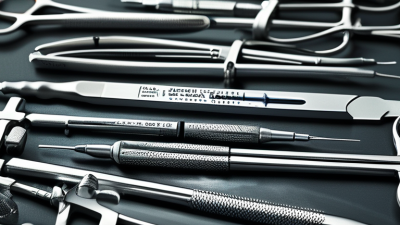
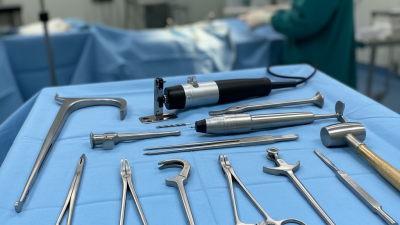
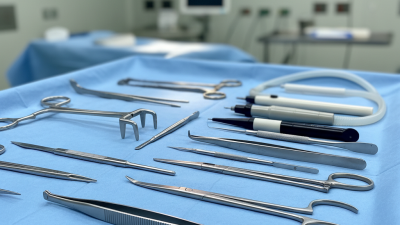
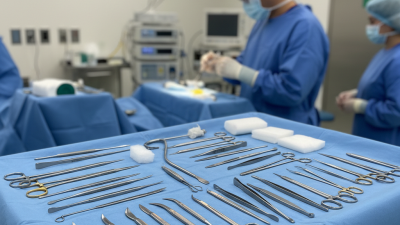
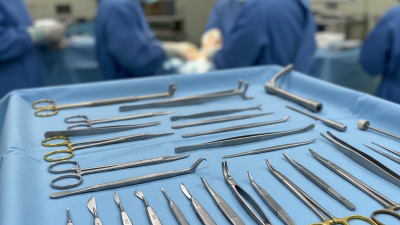
China has become a major player in the surgical tools market. Its production facilities offer a wide range of surgical instruments. These tools include scalpels, forceps, and sutures, crafted with precision and attention to detail. The manufacturing processes benefit from advanced technology, which enhances quality.
When considering sourcing surgical tools from China, pay attention to certifications. Look for ISO standards and other quality assurances. Verify the manufacturer's reputation and feedback from previous customers. Not all suppliers adhere to high quality, which can lead to complications in medical procedures.
However, it is vital to conduct thorough research. Sample testing can help assess the reliability of the tools. Be open to adjusting your sourcing strategy based on ongoing assessments. Regular communication with suppliers can uncover insights into their practices and innovations. Be aware that not every product will meet your expectations, and sometimes adjustments may be necessary to achieve optimal results.
Key Features of Chinese Surgical Instruments for International Markets
Chinese surgical instruments are gaining traction in international markets. A report by the Global Market Insights estimates that the global surgical instruments market will exceed $20 billion by 2027. This growth highlights the increasing demand for high-quality and cost-effective surgical tools worldwide.
One key feature of Chinese surgical instruments is their affordability. Many manufacturers prioritize cost-effective solutions without compromising quality. Studies indicate that many international buyers are attracted to these products due to competitive pricing. However, it is essential to assess the standards and certifications these tools meet. Some local manufacturers may lack the necessary quality assurance protocols, leading to potential concerns about reliability.
Another significant aspect is innovation. Chinese companies are increasingly investing in research and development, resulting in advanced surgical instruments. The adoption of technologies such as 3D printing enhances precision and customization. However, while innovation is promising, occasional quality inconsistencies arise, calling for thorough inspections before procurement. The balance between cost and quality remains a crucial consideration for global buyers navigating this dynamic market.
Leading Chinese Companies in the Surgical Tool Manufacturing Sector
China has become a significant player in the surgical tool manufacturing sector, catering to global buyers seeking quality and innovation. Industry reports indicate that China's surgical instruments market is projected to reach over $12 billion by 2025. This growth is driven by technological advancements and a rising demand for minimally invasive procedures. Renowned for precision and cost-effectiveness, Chinese manufacturers have established a robust reputation in crafting a wide range of surgical tools.
Leading companies in China invest heavily in research and development. They employ skilled engineers who adhere to stringent international standards. However, maintaining quality control can be challenging, and inconsistencies exist among different manufacturers. Buyers should thoroughly evaluate suppliers, ensuring that they possess the necessary certifications. Understanding the manufacturing environment can help in making informed decisions about sourcing surgical tools.
It's essential for global buyers to consider partnerships with manufacturers that emphasize transparency and quality assurance. Protecting patient safety should be a top priority. Feedback from healthcare professionals can provide invaluable insights into the effectiveness of tools. Additionally, attending industry trade shows can facilitate direct communication with manufacturers and help identify reliable partners.
Top Surgical Tools from China for Global Buyers
| Tool Type |
Material |
Usage |
Packaging Type |
Export Markets |
| Scissors |
Stainless Steel |
Surgery |
Sterile Packaging |
North America, Europe |
| Forceps |
Titanium |
Holding Tissues |
Non-Sterile Packaging |
Asia, Africa |
| Scalpels |
Carbon Steel |
Incisions |
Sterile Blister Packs |
Europe, South America |
| Needles |
Stainless Steel |
Suturing |
Bulk Packing |
North America, Middle East |
| Electrosurgical Tools |
Metal Alloy |
Cutting and Cauterizing |
Individual Packaging |
Global |
Quality Assurance Standards for Surgical Tools in China
Quality assurance is critical when sourcing surgical tools from China. Many manufacturers strictly adhere to international standards, ensuring their products meet safety and efficacy criteria. However, not every factory strives for the same level of quality. Buyers must research thoroughly to distinguish reputable suppliers from those that may prioritize cost over quality.
When evaluating manufacturers, check for certifications like ISO for management and CE marking for compliance with European standards. These indicators can provide assurance of a factory’s commitment to quality. Nonetheless, certification alone does not guarantee performance. Inspecting products for craftsmanship, materials, and durability is essential.
Talking to previous buyers can provide insights into a manufacturer's reliability. Collect feedback on product performance and customer service. This step is often overlooked but is crucial for making informed decisions. Be cautious in trusting flashy marketing materials without evidence of quality behind them. Engaging with suppliers and asking questions shows commitment to due diligence. Remember, investing time upfront can prevent larger issues later on.
Top Surgical Tools Quality Standards in China
Trends and Innovations in China's Surgical Tool Production
China has become a powerhouse in surgical tool production, driving innovations that resonate with global buyers. According to a recent industry report, China's surgical instrument market is projected to grow at a CAGR of 8.3% from 2021 to 2027. This growth showcases China's commitment to enhancing the quality and reliability of surgical tools.
The trend towards automation is transforming the manufacturing processes. Using automated systems can increase precision and reduce human error significantly. Enhanced quality control measures are crucial. This is evidenced by the rise in quality certifications among manufacturers. A study indicated that over 70% of surgical instrument manufacturers in China have achieved international quality standards. However, challenges remain in ensuring consistent quality across the board.
Sustainability is becoming a key focus. Many manufacturers are exploring eco-friendly materials. However, the adoption rate is still gradual. Industry experts suggest that a shift towards biodegradable materials could set a new standard. While innovations abound, the need for regulatory compliance and effective market access strategies cannot be overlooked. Adapting to these complexities is essential for companies aiming to succeed in the global market.