2026 Best Surgical Tools Every Buyer Should Know About
In the ever-evolving field of surgery, having the best tools at hand is crucial. This list of surgical tools highlights essential instruments every surgeon should consider. Surgical tools can significantly impact patient outcomes, making informed decisions vital.
Every tool serves a unique purpose. For instance, scalpels ensure precision incisions, while forceps aid in gripping tissues. However, even the finest tools can fail if not used correctly. Surgeons must stay updated about advancements in technology and techniques.
Investing in quality surgical instruments is critical. But price does not always guarantee excellence. Buyers must critically evaluate options. A well-chosen tool contributes to a successful procedure, while a poorly chosen one can lead to complications. This is why understanding the necessary tools is fundamental for anyone in the surgical profession.
Essential Criteria for Selecting Surgical Tools in 2026
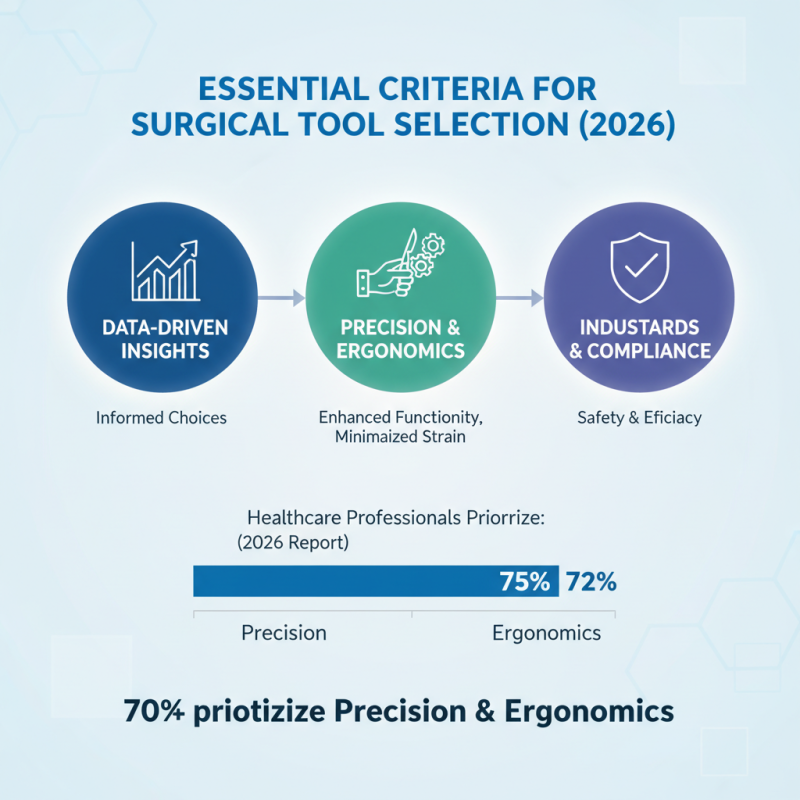
Selecting surgical tools in 2026 requires careful consideration of several key criteria. Surgeons increasingly rely on data-driven insights to make informed choices. According to a recent industry report, over 70% of healthcare professionals prioritize precision and ergonomics when choosing surgical instruments. This trend highlights the necessity for tools that enhance functionality while minimizing strain on the surgeon.
Material quality plays a crucial role as well. Advanced materials, such as titanium and high-grade stainless steel, are now preferred for their durability and resistance to corrosion. A study by the Global Surgical Instruments Association indicates that 85% of surgeons believe that innovative materials directly improve surgical outcomes. Tools that are easy to sterilize add another layer of reliability in ensuring patient safety.
User feedback is invaluable for tool selection. Many surgeons report frustration with instruments that don’t meet their expectations. In fact, about 60% of respondents in a recent survey expressed the need for tools that better align with their specific techniques. This demonstrates the importance of aligning tool design with clinical needs. Investing in surgical instruments that truly enhance performance can make a significant difference in surgical success.
Overview of Popular Surgical Tools and Their Applications
In the field of surgery, having the right tools is crucial for successful outcomes. Popular surgical tools range from scalpels to advanced robotics, each with specific applications. The global surgical instruments market is projected to reach $20 billion by 2026, highlighting a growing demand for innovation in this space.
Scalpels remain a staple in surgical settings, essential for precise incisions. According to recent studies, 80% of surgeons prefer traditional stainless steel scalpels for their reliability. However, disposable options are gaining traction due to their convenience and reduced infection risk. Another noteworthy tool is the electrosurgical device, used in over 70% of surgeries for cutting and coagulating tissue simultaneously.
Robotic-assisted surgery is a significant advancement, favored for minimally invasive procedures. Data shows these techniques can reduce recovery time by 30%. Yet, these systems can be costly and require extensive training. A 2022 survey revealed that nearly 40% of surgeons feel unprepared to use such technology, emphasizing the need for ongoing education. The surgery landscape is evolving, and understanding these tools is vital for practitioners and patients alike.
2026 Best Surgical Tools: Overview of Popular Surgical Tools and Their Applications
Innovative Technologies Revolutionizing Surgical Instruments
Innovative technologies are transforming surgical instruments, making surgeries safer and more efficient. Advanced robotics play a key role in this evolution. Surgeons can now perform intricate procedures with absolute precision. These robotic systems reduce the risk of human error, often improving patient outcomes. Moreover, they can operate through smaller incisions, resulting in quicker recovery times.
Another exciting development is the integration of augmented reality (AR) into surgical tools. AR provides real-time data, guiding surgeons during operations. This technology enhances visualization, allowing professionals to see critical anatomy and understand better what lies beneath the surface. However, reliance on technology raises questions. Is it overshadowing the surgeons' skills? Balancing tech use with hands-on expertise is crucial.
Smart surgical instruments are also gaining traction. They can monitor and report various parameters during procedures. These tools can alert medical teams to potential complications, ensuring timely intervention. Yet, this reliance on smart tech isn’t without concerns. Data privacy and cybersecurity need thorough evaluation. While the future of surgical instruments appears bright, an ongoing dialogue about these innovations is necessary for patient safety and trust.
Maintenance and Care Tips for Surgical Tool Longevity
Maintaining surgical tools properly is essential for their longevity. Regular cleaning should be the first priority. After each use, tools must be thoroughly washed with appropriate disinfectants. This prevents rust and contamination. Storing tools in a dry environment also helps. Humidity can lead to deterioration over time.
Inspecting surgical instruments regularly is crucial. Look for any signs of wear or damage. Small flaws can become big issues. Sharpening blades at scheduled intervals ensures precision in procedures. This not only enhances performance but also extends the tool's lifespan.
Proper handling is also important. Avoid dropping or mishandling tools. Educating staff on correct usage can reduce accidents. Recognizing when a tool is beyond repair is vital. It's better to replace than risk complications during a procedure. A thoughtful approach to tool care can make a noticeable difference.
2026 Best Surgical Tools Every Buyer Should Know About - Maintenance and Care Tips for Surgical Tool Longevity
| Tool Name |
Category |
Material |
Maintenance Tips |
Expected Lifespan |
| Scalpel |
Cutting Tools |
Stainless Steel |
Keep dry and sterilize after each use. |
2-5 years |
| Forceps |
Gripping Tools |
Titanium |
Clean with warm water and mild soap; avoid abrasive cleaners. |
3-7 years |
| Scissors |
Cutting Tools |
Carbon Steel |
Sharpen regularly; store in protective cases. |
5-10 years |
| Needle Holder |
Holding Tools |
Stainless Steel |
Lubricate the joints; avoid dropping. |
4-8 years |
| Hemostatic Forceps |
Clamping Tools |
Stainless Steel |
Keep clean and ensure tips are aligned. |
5-10 years |
Cost Considerations: Investing Wisely in Surgical Equipment
Investing in surgical equipment requires a careful analysis of costs and benefits. A recent industry report reveals that surgical instruments account for approximately 20% of total hospital expenditures. This emphasizes the importance of strategic purchasing decisions. When considering high-quality tools, hospitals should examine long-term savings against initial costs. A well-crafted surgical tool can reduce surgery time, leading to lower overall costs.
Healthcare professionals often prioritize quality over price. According to a survey, 75% of surgeons believe that superior tools directly impact patient outcomes. Yet, not all expensive tools guarantee better performance. Institutions need to assess their specific needs and patient demographics. It is essential to balance spending on innovative technology with reliability. Sometimes, older tools may serve the purpose just as effectively.
Budget constraints constantly challenge healthcare providers. A lack of funds can compromise equipment procurement. Therefore, institutions should explore financing options. Collaborative purchasing among hospitals can lead to significant savings. Building strong relationships with suppliers fosters better negotiation terms. An informed approach is key to maximizing value without sacrificing quality. Investing wisely is a continuous learning process, requiring reflection on previous purchases and outcomes.