China Top Instrument Set Manufacturers for Global Buyers
Choosing reliable China instrument set manufacturers requires more than comparing prices or browsing polished catalogs. Global buyers need evidence of manufacturing experience, technical control, and consistent communication. A capable supplier should explain material grades, machining tolerances, surface finishes, assembly methods, and inspection procedures in practical terms. Factory photographs help, but they are not proof. Independent verification matters.
This guide examines manufacturers that serve international markets and understand different purchasing requirements. Attention will be given to production capacity, quality management systems, export experience, packaging protection, and traceability. For example, a well-prepared shipment may include labeled components, moisture-resistant packaging, inspection records, and clear replacement procedures. These details reduce confusion when products travel across long supply chains. They also reveal how seriously a manufacturer treats its responsibilities.
Price still matters. It should not lead the conversation.
Some suppliers may offer flexible OEM designs, small trial orders, or custom configurations. Others may perform well only with large, standardized batches. That difference is easy to miss during early negotiations. Buyers should request samples, review certificates independently, and confirm whether stated standards match the intended market. Claims can sound impressive. Documentation must carry the weight.
No supplier fits every application. Even experienced manufacturers can show weaknesses in communication, lead-time control, or final inspection. A thoughtful evaluation should record these risks instead of hiding them. The following overview offers a practical starting point for identifying dependable instrument set partners in China, while leaving room for factory audits, technical reviews, and informed buyer judgment.
What Defines a Top Instrument Set Manufacturer in China
A top instrument set manufacturer in China proves quality through repeatable processes, not attractive catalogs. WHO’s Global Patient Safety Report 2024 states that one in ten patients experiences harm during healthcare, with over half considered preventable. That figure makes material selection, surface finishing, and inspection more than purchasing details. Experienced buyers should examine stainless-steel certificates, joint movement, edge consistency, and tray fit. Details matter.
ISO’s Survey 2023 recorded more than 30,000 ISO 13485 certificates worldwide. Certification signals a controlled quality system, but it does not guarantee every shipment is flawless. Strong manufacturers connect design controls with batch records, supplier audits, calibration logs, and corrective-action reports. Each instrument should carry traceable information, from raw material heat numbers to final inspection. Packaging should protect tips and hinges during long-distance transport. Sterilization compatibility also requires documented validation, not verbal assurance.
A reliable factory shares inspection standards before production begins. It provides sample approval records, dimensional reports, and clear complaint-response procedures. Factory experience becomes visible during difficult conversations. Can the team explain a rejected batch? Can it identify a recurring defect? Low prices can hide weak sampling or unstable subcontracting. Even audit documents can become outdated. Buyers should therefore review recent production evidence and repeat inspections periodically. No manufacturer is perfect; the serious ones expose weaknesses early and improve them.
Key Product Categories and Manufacturing Capabilities
Global buyers usually assess instrument set manufacturers by category depth, process control, and documentation. Product portfolios commonly include general surgery, orthopedics, dentistry, ophthalmology, laparoscopic procedures, and sterilization containers. Fortune Business Insights estimated the global surgical instruments market at about USD 13.7 billion in 2023. Its report projects continued growth through 2032, supported by hospital investment and minimally invasive procedures.
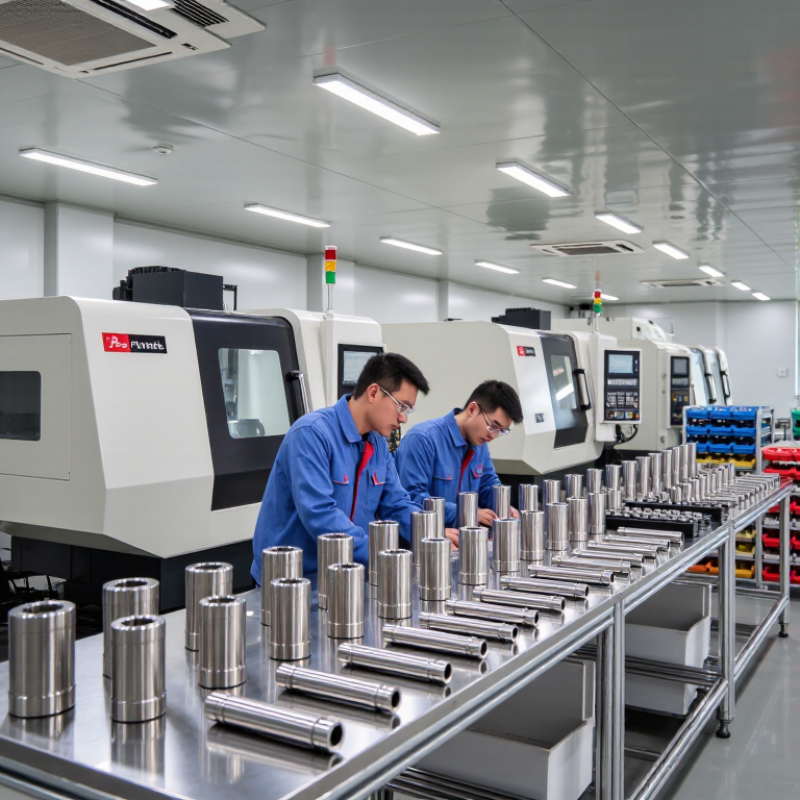
Manufacturing capability matters more than a long catalog. Experienced factories may combine stainless-steel forging, CNC machining, precision grinding, laser marking, polishing, and passivation. They should also control hardness, jaw alignment, surface roughness, and functional testing. For reusable sets, traceability is essential. A reliable supplier can provide material certificates, inspection records, batch identification, and packaging validation. ISO 13485 remains a key quality framework for medical-device production, while ISO 14971 supports risk-based design and process decisions.
Not every factory performs every step internally. That distinction deserves careful checking. Some suppliers outsource heat treatment or coating, which can affect consistency between batches. The WHO Global Patient Safety Action Plan emphasizes safer healthcare systems and stronger device management, but compliance claims still require evidence. Ask for audit records, sample approval procedures, and corrective-action data. A lower quoted price may hide weaker inspection or incomplete documentation. That is not always true. It is worth verifying.
How to read this chart: The scores represent the number of distinct core manufacturing capabilities typically required for each instrument category, including forming, CNC machining, heat treatment, precision grinding, surface finishing, assembly, cleaning, and quality inspection. Higher scores indicate broader process and engineering requirements rather than larger market share.
Quality Standards, Certifications, and Testing Processes
China Top Instrument Set Manufacturers for Global Buyers
Quality begins with a controlled production system, not attractive packaging. Experienced manufacturers usually operate under ISO 9001 quality management practices. This system links purchasing, assembly, inspection, and corrective action. For testing laboratories, ISO/IEC 17025 accreditation can strengthen confidence in measurement results. However, buyers should verify the certificate scope and validity. A certificate alone proves little.
Reliable instrument set manufacturers inspect incoming materials before assembly. They may check alloy composition, dimensions, surface finish, and component hardness. During production, calibrated gauges verify tolerances at defined checkpoints. Electrical sets may require insulation, continuity, and load testing. Mechanical sets may need torque, alignment, and repeated-use tests. Test records should include equipment numbers, operators, dates, and acceptance limits.
Traceability matters. Each batch should connect to material records, inspection reports, and final packaging labels. Export documentation may also require market-specific conformity marks, safety files, or substance declarations. Requirements differ by destination. Buyers should request sample reports before placing large orders.
Small details matter. A loose hinge, unclear scale, or missing calibration date can create trouble during field use. Some factories still rely heavily on visual inspection, which is fast but incomplete. That gap deserves honest discussion. Independent pre-shipment inspection can reveal packaging damage, quantity errors, or inconsistent measurements. Photographs help, but physical verification remains stronger.
How Chinese Manufacturers Serve Global Buyers
China Top Instrument Set Manufacturers for Global Buyers
Chinese instrument set manufacturers increasingly support international buyers through flexible production, technical coordination, and documented quality controls. Many factories offer OEM and ODM services for laboratory, industrial, and educational applications. Buyers can request changes to materials, dimensions, connector types, packaging, and user manuals. This flexibility helps distributors fit products to local market requirements.
Experienced suppliers usually provide pre-production samples before confirming mass orders. Engineers may review drawings, tolerance requirements, and testing procedures through online meetings. Quality teams inspect incoming materials, assembly accuracy, surface finishing, and final performance. Calibration records and batch numbers also improve traceability. These details matter when buyers need consistent results across repeated shipments.
Communication remains a practical advantage. Export teams often support multilingual documents, shipping coordination, and compliance paperwork requested by different markets. Protective foam, moisture barriers, and reinforced cartons can reduce damage during long transport. Yet the process is not flawless. A low quotation may hide limited testing or weak after-sales support. Buyers should compare sample performance, inspection reports, replacement policies, and production capacity instead of judging price alone. Factory visits help, but they are not always possible. Independent inspections can fill part of that gap. Small misunderstandings still occur, especially with technical drawings and translated specifications. Clear written confirmation is essential.