What is a Surgery Set and How to Choose the Right One?
Choosing the right surgery set is crucial for successful medical procedures. A surgery set typically contains various instruments necessary for specific operations. Surgeons rely on these sets for precision and efficiency.
When selecting a surgery set, consider its components. Not all sets are the same. Some may lack essential tools or be designed for specific procedures. It's important to evaluate your needs based on surgical specialties and patient requirements.
The quality of instruments matters as well. High-quality materials ensure durability and reliability. Providers offering surgery sets must meet strict safety standards. However, not every set will meet your expectations. Researching reputable manufacturers is essential for making informed choices. A mindful approach can lead to better surgical outcomes.
Understanding the Concept of a Surgery Set in Medical Practice
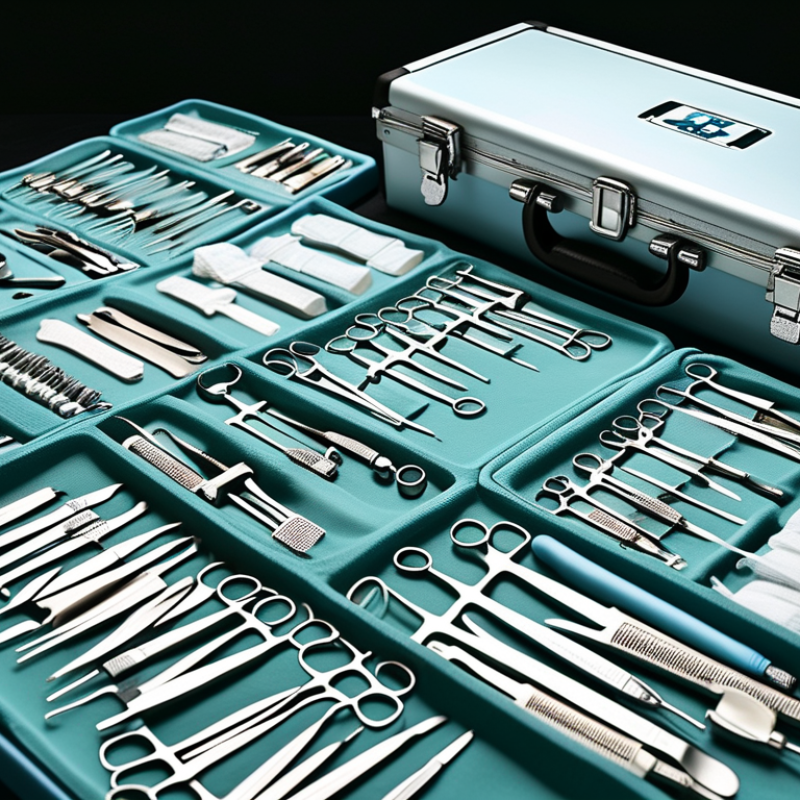
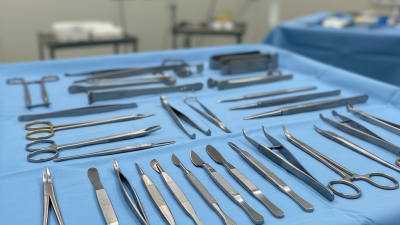
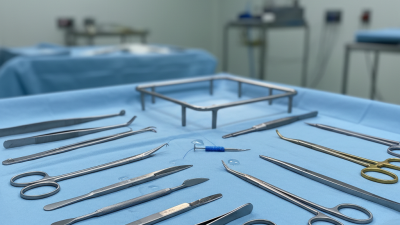
A surgery set is a collection of tools and instruments essential for surgical procedures. Understanding its components is crucial for any medical practice. Each surgery set typically includes scalpels, forceps, scissors, and clamps. These tools are designed for precision and efficiency during operations. Surgeons rely on these instruments to perform delicate tasks.
Choosing the right surgery set can be challenging. Not all sets suit every procedure. Factors include the type of surgery and the patient’s unique needs. It’s essential to assess the quality of instruments as well. High-quality tools ensure better outcomes and decrease the risk of complications. However, not every surgeon may have access to premium sets, leading to potential setbacks.
Training and familiarity with a specific surgery set are important. Surgeons must practice with their instruments regularly. This ensures they can handle tools confidently. A well-prepared surgery set can streamline operations, but a lack of experience with it can create problems. Therefore, ongoing education and adaptation are key to effective medical practice.
Usage of Different Types of Surgery Sets in Medical Practice
Key Components of a Standard Surgery Set and Their Functions
A surgery set is crucial for any medical procedure. It contains essential instruments that help doctors perform their tasks effectively. Understanding the key components of a standard surgery set is vital for both professionals and patients.
One major component is the scalpel. This tool is sharp and precise, allowing for accurate incisions. Another important item is the forceps. These help grasp tissues and clamp vessels. Surgical scissors also play a key role. They assist in cutting sutures and delicate tissues. Each of these tools has specific uses that require attention to detail.
Instruments like clamp forceps and needle holders are also vital. Clamp forceps help control bleeding during surgery. Needle holders ensure secure stitching. While these components are standard, not every surgery set is the same. Different procedures may require additional or specialized instruments. This variability emphasizes the need for customization. Reflecting on individual surgical needs can lead to better outcomes for patients.
Factors to Consider When Selecting a Surgery Set for Specific Procedures
Choosing the right surgery set is crucial. Different procedures necessitate specific tools and instruments. It's essential to understand the unique requirements of each surgery. For instance, orthopedic surgeries often involve complex hardware, while general surgeries may require more versatile tools. Knowledge of surgical techniques and patient needs informs the selection process.
Consider the materials used in the surgery set. High-quality stainless steel is common for its durability. However, there are cases where lighter materials may be favorable. Assessing the ergonomics of the instruments is another factor that some overlook. Well-designed tools can minimize fatigue during complex procedures.
Additionally, it’s important to evaluate your team’s expertise with certain instruments. Some surgical sets may come with specialized tools that require training to use effectively. It’s not just about having the right tools; it’s also about proficiency with those tools. Reflecting on this can prevent potential complications in the operating room. Each detail matters in ensuring successful outcomes for patients.
Analysing Industry Standards and Regulations for Surgery Sets
Surgery sets are essential in medical procedures. They consist of various instruments tailored to specific surgeries. When selecting a surgery set, understanding industry standards and regulations is crucial. Medical organizations often establish these standards to ensure patient safety and effective outcomes.
Regulations typically cover instrument quality, sterilization methods, and packaging. Compliance with these guidelines is non-negotiable. Surgical instruments should undergo rigorous testing. They must meet certain durability and safety benchmarks. Lack of adherence can lead to complications, impacting patient health.
While many manufacturers strive for compliance, discrepancies can occur. Some sets may include outdated instruments or insufficient sterilization. It’s vital for healthcare professionals to assess the sets closely. Regular audits and checks can help identify potential risks. Evaluating the set’s features and version history is also beneficial. Knowing what fails can inform future purchasing decisions, improving overall safety in surgical environments.
The Impact of Quality and Cost on the Selection of Surgery Sets
When selecting a surgery set, quality and cost play crucial roles. A high-quality surgery set can enhance surgical outcomes. However, it often comes with a higher price tag. Understanding this balance is key to making an informed choice.
Healthcare professionals must evaluate the materials and instruments in the surgery set. Durable and sterile components are vital. Avoiding subpar options is critical, yet cheaper sets may tempt budget-conscious practices. While you may save initially, reduced effectiveness can lead to higher costs down the line.
Tips for selecting the right surgery set include researching the manufacturer's reputation. Look for certifications that indicate quality standards. Additionally, consult experienced colleagues for recommendations. Prioritize sets that feature easy-to-use instruments, as they can streamline procedures.
Remember, the cheapest option isn't always the best. There can be hidden costs in poorer quality sets that compromise safety. Always reflect on past experiences with specific sets, as this may guide future selections. Choosing a surgery set is more than a financial decision; it impacts patient care.