Top 10 Essential Surgery Instruments Names You Need to Know?
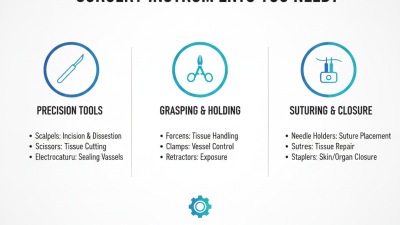
In the world of surgery, having the right tools is crucial. The term "surgery instruments names" encompasses a range of essential tools that every surgical professional should recognize. Each instrument serves a specific purpose, from cutting tissues to suturing wounds. Knowing these names can enhance communication in the operating room.
Many might overlook the importance of these instruments, thinking they are just basic tools. However, familiarity with surgery instruments names can significantly impact surgical outcomes. Surgeons, nurses, and medical students must understand each tool’s function. For instance, a scalpel doesn't merely cut; it plays a role in precision and control.
In practice, even seasoned surgeons can find themselves struggling with newer instruments. The constant evolution of surgical tools can be daunting. It is vital for healthcare professionals to continually update their knowledge. Each tool has a story, a purpose that must not be forgotten. Emphasizing the importance of these instruments allows for better patient care and safety.
Understanding the Importance of Surgical Instruments in Modern Medicine
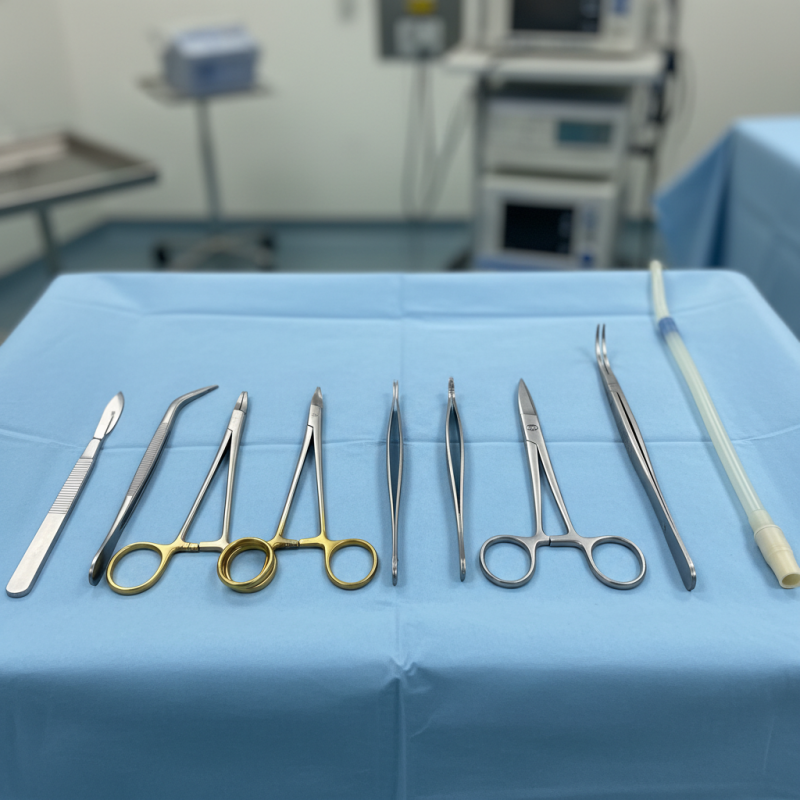
Surgical instruments play a critical role in modern medicine. These tools ensure precision and efficiency in various procedures. A surgeon’s skillful hands are complemented by carefully designed instruments, each serving a unique purpose. The importance of reliable surgical instruments cannot be overstated. They directly impact patient outcomes. The right tools can make a complicated surgery more manageable.
It's essential that aspiring medical professionals familiarize themselves with these instruments. Knowledge of basic surgical tools like scalpels, scissors, and clamps is vital. Understanding their specific uses enhances a surgeon’s effectiveness. Moreover, having a solid grasp of surgical instruments fosters confidence in the operating room. Mistakes can occur if one is not well-acquainted with the available tools.
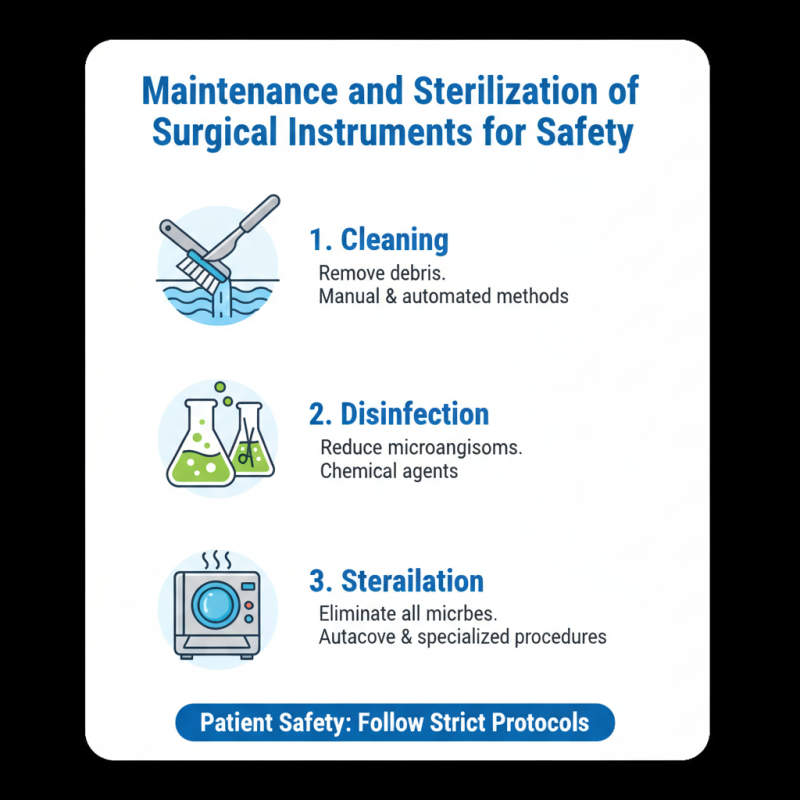
Tips: Always prioritize hygiene when handling instruments. Additionally, regular checking and maintenance of tools are necessary to ensure they function correctly. Each instrument’s design can affect surgery. A well-maintained instrument can drastically reduce complications. Practicing with these tools can build muscle memory. This preparation can prove invaluable during critical moments in surgery.
Key Characteristics of Essential Surgical Instruments
In the world of surgery, certain instruments are indispensable. Understanding their characteristics is crucial for medical professionals. Each instrument serves a specific purpose. Precision is key in every procedure. For example, scalpels provide sharpness for incisions. Their blades come in various sizes, tailored for different tissues.
Forceps are also vital in surgery. They are designed for grasping and holding tissues. Some have a smooth finish, while others may feature serrated edges for better grip. Choosing the right type can impact the success of the operation. Moreover, scissors are equally important. Surgical scissors have distinct shapes, enabling surgeons to navigate complex areas.
Tip: Familiarize yourself with these instruments through hands-on training. Practice is essential for skill development. Another tip: always check instrument conditions before surgery. Dull or damaged tools can delay procedures, affecting patient outcomes. Reflecting on your experiences can lead to better decision-making.
Top 10 Essential Surgery Instruments Names You Need to Know
| Instrument Name |
Key Characteristics |
Common Use |
| Scalpel |
Sharp blade for incisions |
Cutting tissues |
| Scissors |
Variety of shapes and sizes |
Cutting tissue |
| Forceps |
Used for grasping tissues |
Holding and manipulating tissues |
| Hemostatic Forceps |
Clamps vessels to control bleeding |
Controlling hemorrhage |
| Needle Holder |
Holds curved needles secure |
Suturing |
| Scissors |
Cutting delicate tissues |
Dissecting tissues |
| Electrocautery |
Uses heat to cut or coagulate |
Cutting and cauterizing |
| Suction Device |
Removes blood and fluids |
Maintaining clear surgical field |
| retractors |
Holds back tissues |
Exposing the operative area |
| Tissue Pliers |
Grasps and manipulates tissues |
Handling biological tissues |
Top 10 Must-Know Surgical Instruments and Their Uses
In the realm of surgery, familiarity with essential instruments is paramount. Understanding their names and uses can significantly enhance surgical outcomes. Let's explore ten key surgical instruments and their roles in the operating room.
Scalpels are vital for making precise incisions. They come in various sizes for different types of procedures. Scissors, on the other hand, are crucial for cutting tissues and sutures. Their sharp blades enable surgeons to work efficiently. Additionally, forceps are often used to grasp and manipulate tissues during surgery, providing stability when it’s needed most.
Tips: Always ensure instruments are sterilized before use. This prevents infections and complications. Pay attention to the handling of tools, as improper use can damage delicate tissues. Training and practice with each instrument enhance skills and boost confidence in the operating room.
Needle holders are another essential tool for suturing. They provide a firm grip on needles, allowing for secure stitching. Hemostatic clamps control bleeding during procedures. Surgeons must know how to use these instruments effectively, as their proficiency can impact patient safety. Indeed, mastering surgical instruments requires dedication and ongoing education.
Top 10 Essential Surgery Instruments and Their Frequency of Use
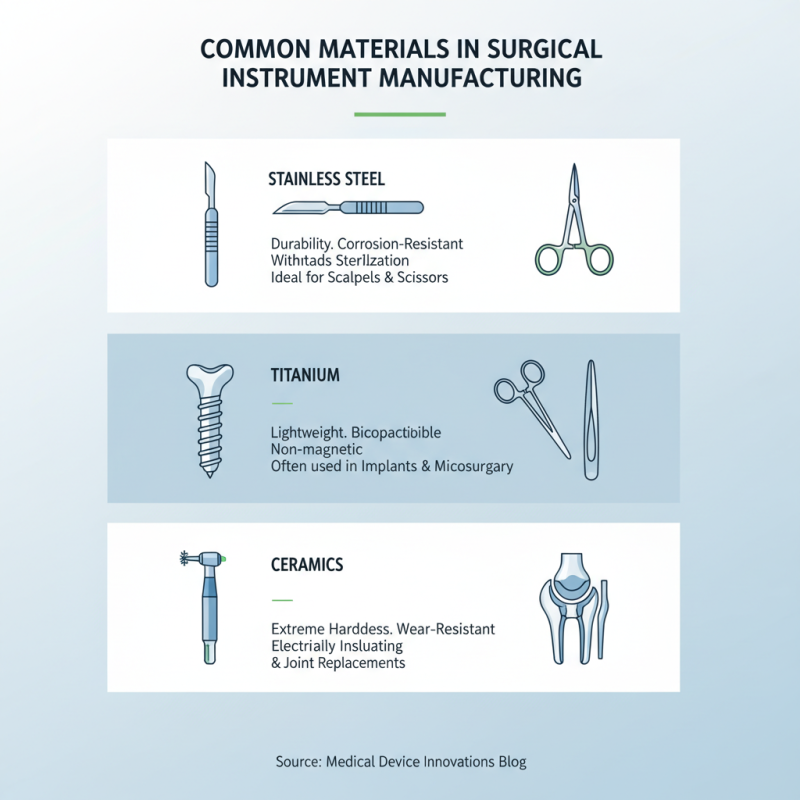
Common Materials Used in Surgical Instrument Manufacturing
Surgical instruments are critical in medical procedures. The materials used in their production significantly affect their performance. Stainless steel is a popular choice for its durability and resistance to corrosion. This material can withstand sterilization, ensuring the instruments remain safe for use. It is essential for instruments like scalpels and scissors.
Another common material is titanium. Known for its strength and lightweight nature, titanium is often used in implants and handles. This metal offers excellent biocompatibility, making it ideal for surgeries where long-term implantation is necessary. Some instruments utilize ceramics, which provide hardness and a smooth finish, enhancing precision during operations.
Manufacturers must balance various factors when choosing materials. Cost is always a concern, but so is the ability to withstand regular sterilization. Each material comes with its own set of challenges. For example, while stainless steel is highly durable, it can sometimes cause allergic reactions in patients. This necessitates careful consideration of materials during instrument selection.