

2026 Best Orthopedic Surgical Instruments for Global Buyers
Choosing the right orthopedic surgical instruments in 2026 requires more than comparing prices or browsing polished catalogs. Global buyers must assess material quality, instrument balance, sterilization compatibility, documentation, and supplier responsiveness. A well-designed bone saw should feel stable during controlled movement, while a retractor should open smoothly without unnecessary force. Small details matter.
This guide examines practical instrument categories used in orthopedic procedures, including forceps, osteotomes, drills, saws, retractors, trial components, and specialized fixation tools. It considers stainless-steel grades, surface finishing, corrosion resistance, ergonomic handles, and maintenance requirements. Buyers should also review quality systems, product traceability, inspection records, and applicable regulatory documentation. Standards and registration rules differ between markets. Confirm them locally.
A low price can hide higher maintenance costs. A catalog image can mislead. Even experienced procurement teams may overlook compatibility with existing trays, sterilizers, or powered equipment. This guide therefore combines technical evaluation with realistic purchasing concerns, including delivery reliability, training support, replacement parts, and after-sales communication. It does not treat one manufacturer as suitable for every hospital. Clinical preferences, surgical volume, and local workflows remain important.
The strongest orthopedic surgical instruments are not simply the most advanced. They are dependable, appropriately designed, and supported by verifiable evidence. Buyers should request samples when possible, involve surgeons and sterile-processing staff, and document each decision. Some recommendations may require further validation. That is a useful limitation, not a weakness. Careful review protects patients, budgets, and long-term surgical performance.
What Orthopedic Surgical Instruments Are and Why They Matter
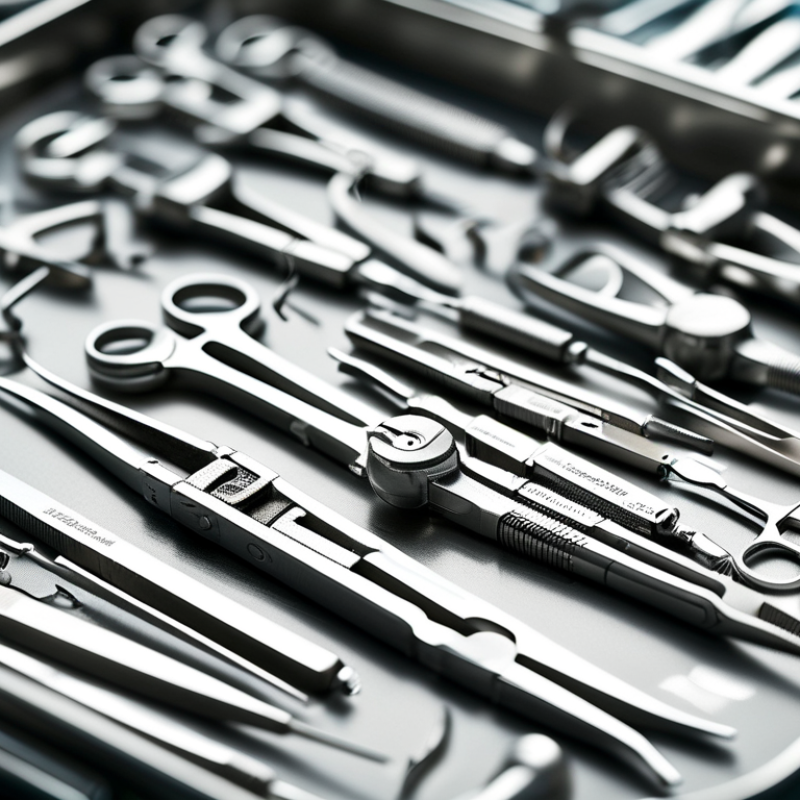
Orthopedic surgical instruments are specialized tools used to cut, hold, shape, align, and repair bone or surrounding tissue. Common examples include bone saws, drills, retractors, osteotomes, reduction clamps, forceps, and screwdrivers. Each tool has a defined role, but its value depends on control during a demanding procedure.
Precision matters because a small alignment error can affect stability, movement, and recovery. A well-balanced drill should provide controlled power without excessive vibration. A retractor must expose the surgical field while limiting unnecessary pressure on soft tissue. Sharp cutting edges, secure grips, and clear size markings also reduce avoidable delays. Small details matter.
Global buyers should examine material quality, surface finishing, corrosion resistance, and compatibility with approved sterilization methods. They should also review dimensional accuracy, packaging, inspection records, and instrument traceability. In practice, a complete tray is not always the best tray. Extra tools can increase handling time and complicate counting.
No instrument is perfect. A technically strong design may still feel awkward in a surgeon’s hand. A familiar instrument may perform well but require frequent maintenance. Buyers should request samples, consult orthopedic professionals, and assess cleaning workflows before placing large orders. Training, replacement parts, and documented quality controls deserve equal attention. A reliable purchasing decision connects engineering details with actual operating-room use.
2026 Best Orthopedic Surgical Instruments for Global Buyers - What Orthopedic Surgical Instruments Are and Why They Matter
| Instrument Category | Representative Instruments | Primary Orthopedic Use | Common Material | Typical Configuration | Key Selection Criteria | Processing Considerations |
|---|---|---|---|---|---|---|
| Bone Cutting Instruments | Osteotomes, chisels, gouges, bone saw blades | Cutting, shaping, or removing bone during trauma, joint replacement, and reconstructive procedures. | Heat-treated stainless steel; some powered saw components use corrosion-resistant alloys. | Manual or powered | Edge retention, controlled cutting geometry, shaft rigidity, handle comfort, and compatibility with the power system. | Reusable instruments require validated cleaning, inspection, lubrication where applicable, and sterilization according to the manufacturer’s instructions. |
| Bone Holding and Reduction Instruments | Reduction forceps, pointed clamps, bone-holding forceps | Grasping, aligning, and temporarily stabilizing bone fragments before fixation. | Surgical stainless steel, commonly selected for strength and corrosion resistance. | Straight, angled, or pointed | Jaw grip, locking reliability, tip alignment, working depth, and resistance to deformation under load. | Hinges and ratchets should be thoroughly cleaned and checked for smooth operation before sterilization. |
| Drilling and Reaming Instruments | Drill bits, cannulated drills, reamers, depth gauges | Preparing holes or canals for screws, pins, intramedullary devices, and joint replacement components. | Stainless steel or other approved instrument alloys; cutting surfaces may use hardened materials. | Cannulated or solid | Dimensional accuracy, concentricity, sharpness, flute design, guide-wire compatibility, and connection standard. | Internal lumens and flutes need effective flushing and visual inspection to remove bone debris. |
| Screwdrivers and Fixation Drivers | Hexagonal, star, cross-drive, and locking screwdrivers | Insertion and removal of orthopedic screws, locking caps, and fixation components. | Stainless steel or hardened alloy steel, depending on the required torque and drive profile. | Solid or cannulated | Exact drive fit, torque transmission, tip wear resistance, shaft length, and compatibility with the intended screw system. | Drive tips should be inspected for rounding, deformation, or damage that could compromise screw engagement. |
| Retractors | Hohmann, Langenbeck, Farabeuf, self-retaining retractors | Exposing bone, joints, and soft tissue while maintaining a stable surgical field. | Stainless steel; atraumatic versions may include approved polymer or silicone components. | Handheld or self-retaining | Blade profile, depth, atraumatic edges, retraction force, visibility, and suitability for the surgical approach. | Self-retaining mechanisms and joints require careful cleaning and functional inspection. |
| Graspers and Rongeurs | Bone rongeurs, pituitary rongeurs, tissue forceps, graspers | Removing small bone fragments, trimming tissue, and extracting material from confined spaces. | Corrosion-resistant surgical stainless steel; some handles may use engineered polymers. | Straight or angled | Jaw bite, spring action, handle ergonomics, access angle, cutting capacity, and resistance to fatigue. | Springs, box locks, and narrow jaw areas must be cleaned and inspected for retained biological material. |
| Measuring and Alignment Instruments | Depth gauges, measuring rulers, alignment guides, trialing instruments | Measuring bone dimensions, implant depth, alignment, and component positioning. | Stainless steel, anodized aluminum, or approved radiolucent materials depending on the application. | Graduated or guided | Readable markings, dimensional accuracy, radiographic visibility where required, stability, and system compatibility. | Graduations must remain legible after repeated processing; instruments should be checked against defined inspection criteria. |
| Kirschner Wire and Pin Instruments | Wire drivers, pin cutters, wire benders, drill guides | Placing, guiding, bending, and cutting temporary fixation wires and pins. | Stainless steel or hardened alloy steel for cutting and gripping surfaces. | Manual or powered | Secure wire capture, cutting performance, size range, alignment, handle control, and compatibility with wire diameters. | Cutting edges should be examined for chips and dulling; wire fragments must be removed before cleaning and sterilization. |
| Arthroscopy Instruments | Shavers, graspers, punches, cannulas, probes | Minimally invasive inspection, tissue treatment, debridement, and repair of joints. | Stainless steel, titanium, engineered polymers, and optical materials according to instrument function. | Cannulated or modular | Outer diameter, working length, visibility, rotational control, fluid-flow performance, and compatibility with the arthroscopy system. | Channels and valves require validated flushing and cleaning; optical components should be protected from impact and thermal damage. |
| Powered Surgical Attachments | Drill attachments, saw attachments, burrs, drivers | High-speed or controlled cutting, drilling, reaming, and preparation of bone. | Stainless steel, hardened alloys, titanium, and approved polymers for selected components. | Pneumatic or electric | Speed range, torque, vibration control, attachment security, heat management, noise, and system compatibility. | Follow the specific instructions for cleaning, lubrication, sterilization, battery handling, and preventive maintenance. |
| Implant Trial and Extraction Instruments | Trial components, extraction hooks, implant impactors, inserters | Testing fit and alignment or removing and positioning orthopedic implants. | Stainless steel, titanium, cobalt-chromium alloys, or approved engineering polymers. | Procedure-specific | Dimensional accuracy, secure implant engagement, impact resistance, ergonomic control, and compatibility with the implant design. | Inspect contact surfaces for wear, deformation, cracks, and retained debris before every procedure. |
| Sterilization and Instrument Organization | Instrument trays, silicone holders, sterilization containers, protective caps | Protecting, organizing, transporting, and presenting instruments for sterile procedures. | Stainless steel, aluminum, medical-grade polymers, silicone, and validated filter materials. | Reusable system | Instrument visibility, drainage, weight, ventilation, protection of delicate tips, traceability, and compatibility with the sterilization cycle. | Use only validated configurations and follow applicable reprocessing instructions, including drying and routine inspection. |
Buyer note: Material selection, dimensions, reuse status, sterilization method, and compatibility can vary by instrument design. Global buyers should verify regulatory requirements, validated processing instructions, intended clinical use, and local import documentation before purchasing.
Related Posts
-
Top Orthopedic Surgical Tools for Efficient Operations?
-

Best Orthopedic Surgery Instruments for Global Buyers?
-

2026 Best Surgical Instrument Sets for Global Procurement?
-
Top 10 Orthopedic Surgical Instruments You Need to Know?
-
Top 10 Surgical Tools Every Buyer Should Know About?
-
10 Essential Tips for Choosing the Right Bone Screws for Surgery