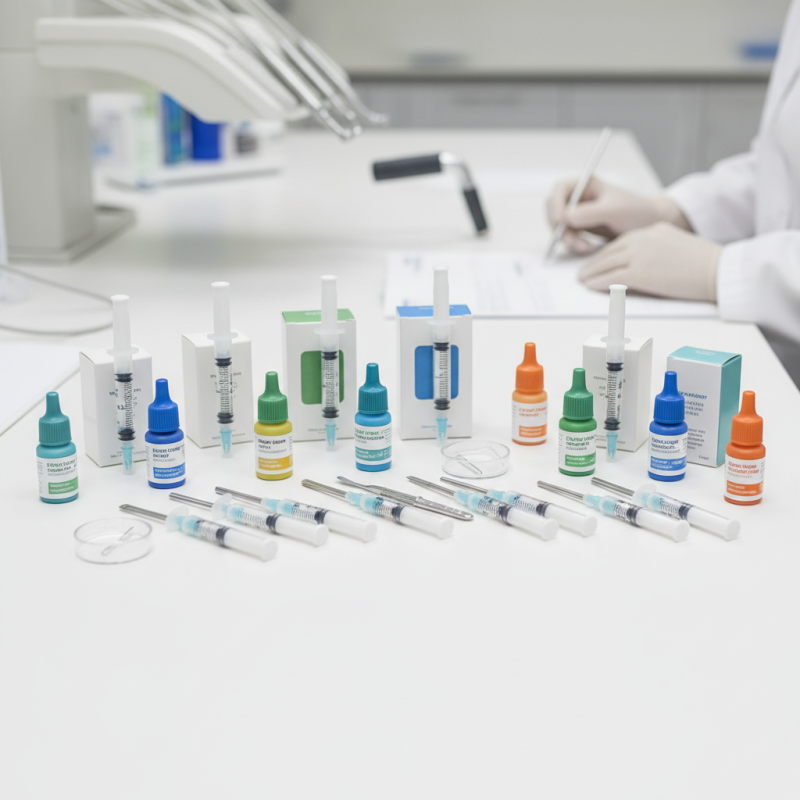
Top 10 Orthodontic Adhesive Systems Which One is Best for You
Choosing the right Orthodontic Adhesive System is crucial for successful treatment. With many options available, it can be overwhelming. Each system comes with unique features and benefits. Some adhesives offer stronger bonds, while others provide easier application.
Consider the specific needs of the patient. A strong adhesive may be preferred for complex cases, but it can be difficult to remove later. Conversely, gentler adhesives might lack the necessary strength for certain situations. The balance of ease of use and performance is key.
Take time to evaluate the brands and their reputations. Some may have extensive research backing their claims, while others rely on anecdotal evidence. Don’t just follow trends; reflections on personal experiences can guide better choices. In the end, the best Orthodontic Adhesive System will align with both clinical needs and patient comfort.
Top 10 Orthodontic Adhesive Systems: An Overview of Popular Choices
When choosing an orthodontic adhesive system, many factors come into play. Different materials offer varied strengths and application methods. Some adhesives bond quickly, while others require more time. The choice can impact the overall treatment effectiveness. Often, practitioners may overlook how the selection affects patient comfort and ease of use.
Quality is crucial, but so is the learning curve. Some systems are user-friendly, allowing for quicker application. Others might pose challenges, especially for less experienced orthodontists. It’s worth experimenting to find what works best, as not every system suits every clinician’s style.
In addition, factors like curing time and moisture tolerance matter. Some systems perform well in wet conditions, while others do not. Each adhesive has its pros and cons. The right choice depends on individual practice needs and patient preferences. It’s essential to reflect on past experiences to avoid repeated mistakes in future applications.
Understanding Orthodontic Adhesives: Types and Their Applications
When it comes to orthodontic adhesives, understanding their types and applications is crucial. There are several types of adhesives used in orthodontics, including resin-based, glass ionomer, and light-cured adhesives. Each type has its own benefits depending on the specific needs of the patient and treatment goals.
Resin-based adhesives are popular due to their strength. They offer excellent bond strength and durability, ideal for fixed appliances. However, they can be difficult to remove, leaving remnants on teeth. Glass ionomer adhesives are beneficial for their fluoride-releasing properties. They bond well to moist surfaces, which can be advantageous in certain situations. Yet, their bond strength may not match that of resin-based options.
Tip: Always consider the patient's oral hygiene. If a patient struggles to maintain clean teeth, a fluoride-releasing adhesive might be more effective.
Light-cured adhesives are user-friendly and set quickly. They allow orthodontists to work faster. Still, if the light isn't applied properly, the adhesive may not cure as expected. This could weaken the bond. Careful attention during the curing phase is essential.
Tip: Ensure you have a quality light source and check its intensity regularly. Adapting techniques may lead to better outcomes.
The choice of orthodontic adhesive can significantly impact treatment success. Analyzing the specific needs of each case and reflection on past experiences can guide practitioners in their decisions.
Factors Influencing the Selection of Orthodontic Adhesive Systems
Choosing the right orthodontic adhesive system can be a daunting task. Various factors affect this decision. One crucial aspect is the adhesive's bond strength. A strong bond ensures brackets stay in place throughout treatment. However, too much strength can complicate removal later. It’s a balancing act.
Next, consider curing time. Some adhesives set quickly, allowing for faster procedures. Others take longer but may offer better reliability. This can impact workflow and patient comfort. Another factor is the adhesive's ease of use. Complex application processes can lead to mistakes, causing frustration. Yet, simpler systems may not provide the same strength.
Patient factors also play a role. For example, age can influence enamel condition. Younger patients may require gentler options to protect their developing teeth. Additionally, the orthodontic diagnosis itself can guide the choice. Each situation is unique, and reflection is key. Evaluating these factors carefully can lead to better outcomes, though the perfect choice may remain elusive.
Top 10 Orthodontic Adhesive Systems
| Adhesive System | Bond Strength (MPa) | Visibility | Curing Method | Application Ease | Removal Ease |
| System A | 18 | Low | Light-Cured | Easy | Moderate |
| System B | 20 | Medium | Chemically-Cured | Moderate | Easy |
| System C | 22 | High | Dual-Cured | Easy | Difficult |
| System D | 19 | Medium | Light-Cured | Moderate | Easy |
| System E | 21 | Low | Chemically-Cured | Easy | Moderate |
| System F | 23 | High | Dual-Cured | Hard | Difficult |
| System G | 24 | Medium | Light-Cured | Easy | Moderate |
| System H | 20 | Low | Chemically-Cured | Easy | Easy |
| System I | 18 | High | Dual-Cured | Easy | Difficult |
| System J | 19 | Medium | Light-Cured | Moderate | Easy |
Comparative Analysis of Shear Bond Strength in Orthodontic Adhesives
When choosing the best orthodontic adhesive system, understanding shear bond strength is vital. Bond strength determines how well brackets stay attached during treatment. An inadequate bond can lead to bracket failures. Brackets should remain secure throughout the process without excess force.
In studies, various adhesives were tested for their shear bond strength. Some systems performed well, demonstrating high durability. Others fell short, leading to concerns about stability. It’s crucial to evaluate these differences to avoid potential issues. Some adhesives may bond effectively but can be difficult to remove later. Always consider how the bond strength affects overall treatment.
Tips: Focus on adhesive properties before selection. Look for ease of application and removal. Remember, a stronger bond is not always the best choice for every case. Balancing strength with adaptability is essential in orthodontics. Reflect on previous experiences with different systems to make informed decisions.
Clinical Considerations in Choosing the Right Adhesive for Patients
Choosing the right orthodontic adhesive system requires careful consideration. Each patient has unique needs. Factors such as age, treatment type, and oral health status all play a crucial role. For instance, younger patients may have more sensitive teeth. In contrast, adults often present with previous orthodontic or dental work.
The bond strength of the adhesive is vital. It must withstand daily wear and tear. Patients who grind their teeth might need a different option. Not all adhesives cater to such issues, which can lead to treatment complications. Observation of how adhesives perform over time is also important. Some may wear down faster than others, affecting the overall treatment outcome.
It's essential to reflect on the application procedure and the curing time. Some systems require specific lighting techniques. Others might involve complex mixing processes. Complexity can lead to mistakes, affecting adhesion quality. Careful training and practice are necessary to maximize adhesive effectiveness.
Top 10 Orthodontic Adhesive Systems - Comparative Analysis