Top Bone Screws for 2026 What Buyers Should Know
When it comes to orthopedic surgery, the choice of bone screws is critical. Bone screws are essential for stability in various procedures. As we approach 2026, understanding the evolving landscape of these devices becomes vital for buyers.
The market for bone screws is expanding rapidly. Innovations are emerging in design and material. Buyers should consider the specific needs of their patients. The right screw can enhance recovery and surgical outcomes. However, with numerous options available, selecting the best can be daunting. Buyers must weigh factors like strength, ease of use, and biocompatibility.
While many products claim excellence, not all meet the highest standards. Buyers need to scrutinize manufacturer credibility and product reviews. Reflecting on past choices can help improve future decisions. Arm yourself with knowledge and insights from trusted sources. Search for reliable vendors whose products are backed by clinical evidence. The future landscape of bone screws will likely bring more reliable and innovative solutions.
Key Features to Consider in Bone Screws for 2026
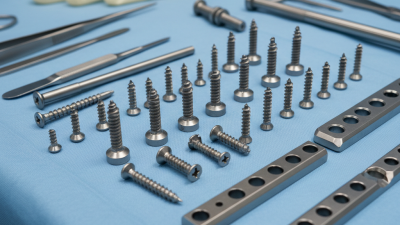
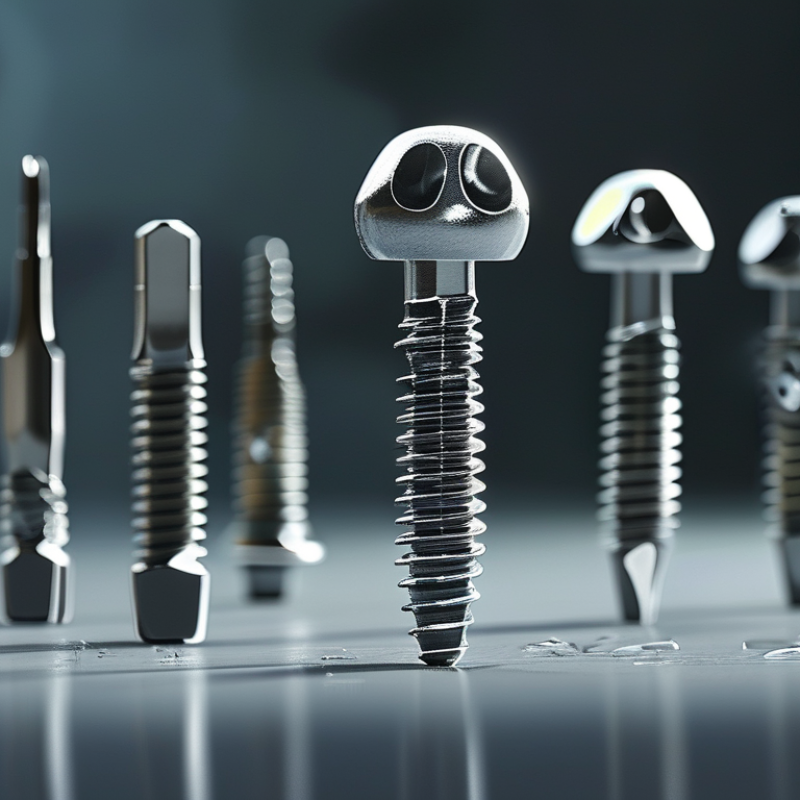
When selecting bone screws for 2026, there are key features to consider. Material quality plays a crucial role in performance. Stainless steel is common but titanium is gaining popularity. Titanium is lighter and offers better biocompatibility. This is essential for minimizing rejection rates in patients.
Thread design significantly influences screw stability. A finer thread can provide better grip in soft bone, while deeper threads may be necessary for harder structures. Evaluate the specific application and the type of bone when making this choice. In some cases, a combination of both designs may be beneficial.
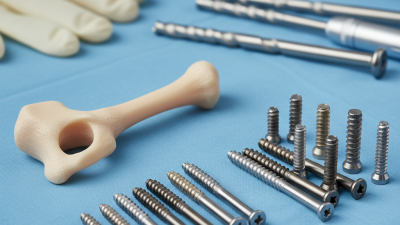
Pay attention to screw lengths and diameters. These dimensions affect insertion ease and overall stability of the implant. Choosing the right size can prevent complications. It's important to study the anatomy before selecting these parameters. Prototyping different configurations can also help refine choices. Consider testing options to ensure they meet clinical needs effectively.
Top Bone Screws for 2026
| Feature |
Description |
Material |
Usage |
Size Range |
| Self-Tapping Design |
Allows for easy insertion without pre-drilling. |
Titanium Alloy |
Orthopedic Surgeries |
3.5mm to 7.5mm |
| Reduced Thread Pitch |
Increases pull-out strength in bone. |
Stainless Steel |
Dental Applications |
2.7mm to 6.0mm |
| Customizable Lengths |
Allows surgeons to select the optimal screw length for the procedure. |
Bio-absorbable Polymers |
Sports Medicine |
4.0mm to 8.0mm |
| Color-Coded System |
Quick identification of screw sizes during surgery. |
Coated Titanium |
Spinal Procedures |
3.0mm to 10.0mm |
| Variable Pitch |
Enhances fixation in varying bone densities. |
Cobalt-Chromium Alloy |
Trauma Surgery |
2.5mm to 9.0mm |
Popular Materials Used in Modern Bone Screws
Modern bone screws are crafted from various materials that each offer unique benefits. One of the most popular materials is titanium. It is lightweight, strong, and biocompatible, making it ideal for orthopedic surgeries. Many surgeons prefer titanium because it integrates well with bone tissue. However, titanium can be more expensive than other materials, which may not suit every medical facility's budget.
Another common choice is stainless steel. This material is durable and cost-effective. Stainless steel screws are resistant to corrosion, which is vital in medical applications. However, some studies suggest that stainless steel may not bond as well with bone compared to titanium. Physicians often weigh the pros and cons when selecting screw materials for a patient.
Polymer-based screws are gaining traction for specific applications. These screws offer unique benefits, such as biodegradability and reduced weight. While they are promising, durability is a concern. Not all polymers can withstand the same stress as metal. This sends a signal to researchers that further improvement is needed in polymer technology for bone screws. Each material has its advantages and drawbacks, reflecting the complexity of surgical choices.
Sizing and Compatibility: Choosing the Right Bone Screw
When it comes to selecting bone screws, sizing and compatibility are crucial factors. In 2026, the orthopedic industry is expected to see a notable rise in procedures involving bone screws, driven by advancements in surgical techniques. According to the latest market report, the global orthopedic bone screw market is projected to reach $5 billion, reflecting a rapid growth trajectory.
Understanding screw lengths and diameters is vital. An incorrect size can lead to complications, such as implant failure or poor bone stabilization. Many professionals rely on comprehensive sizing guides, but personal experience remains essential. For instance, a surgeon familiar with different bone densities may adjust their choices beyond just the numbers. Research indicates that 30% of surgical complications stem from improper screw selection.
Compatibility with bone types also plays a significant role. Bone screws must work in harmony with various materials and biological conditions. In recent studies, surgeons noted that screws made from titanium showed better integration with bone compared to other materials. Individual patient anatomy matters too. Not all screws fit every situation, which can lead to issues in healing and recovery times. Thus, continuous education and collaboration among medical professionals are key in refining the selection process.
Innovations in Bone Screw Technology for 2026
Innovations in bone screw technology have dramatically evolved in recent years. The orthopedic market is projected to reach $60 billion by 2026. A significant part of this growth is attributed to enhanced materials and designs. New titanium alloys and polymer composites are not only lighter, but also demonstrate greater biocompatibility. These advancements lead to reduced infection rates and improved patient outcomes.
One innovation to watch is the development of screws with integrated sensors. Early studies suggest these sensors can monitor healing processes. This data is crucial for surgeons, as it allows timely interventions if complications arise. However, the adoption of such technology prompts questions about data security and patient privacy.
Another emerging trend is 3D printing in bone screw production. Custom-designed screws tailored to individual anatomy are now possible. Research indicates these personalized solutions can reduce surgery time and improve stability. Still, challenges remain regarding regulatory approval and manufacturing precision. As the industry grapples with these issues, the focus on patient-centric solutions is clearer than ever.
Safety and Regulatory Standards for Bone Screws in the Market
When considering bone screws in 2026, safety and regulatory standards play a crucial role. These screws are vital for successful orthopedic surgeries. Understanding the applicable regulations is essential for both surgeons and manufacturers. The FDA, for instance, has stringent guidelines that ensure the materials used are biocompatible and safe for medical applications. Compliance with these standards can significantly impact patient safety.
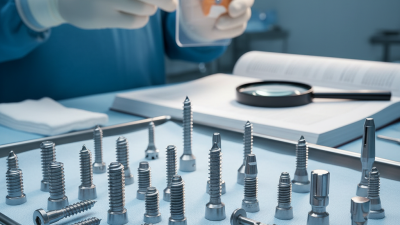
Every product must undergo rigorous testing to gain approval. This includes fatigue testing and stress analysis. Surgeons should keep this in mind when selecting screws for procedures. It’s not just about the technology but also about understanding the implications of using approved versus non-approved products. Mistakes can lead to complications, making the choice of bone screws critical.
Moreover, staying updated on new standards is a complex task. Regulations can evolve with advancements in technology and research. Healthcare providers must continuously educate themselves. Consultation with experts and staying informed about changes is a necessity. Bone screws may seem like small components, but their implications for patient outcomes are significant. Ignoring regulatory nuances can lead to unforeseen problems in surgical practices.
Top Bone Screws for 2026: Safety and Regulatory Standards Overview