China Top 10 Surgical Equipment Names You Should Know?
In the rapidly advancing field of medicine, knowing key surgical equipment names is essential for healthcare professionals. With cities like Guangzhou hosting events such as the Canton Fair, medical companies can showcase their innovations. The upcoming 2026 Canton Fair will enhance the efficiency of supplier searches through AI technology. This presents a unique opportunity to discover the latest surgical tools and devices.
Understanding the landscape of surgical equipment is crucial. Many devices are critical in procedures, from basic surgical instruments to sophisticated robotic technologies. Healthcare practitioners seek reliable and high-quality equipment to ensure patient safety. However, navigating through the vast array of options can be difficult.
Often, professionals rely on trade shows like the Canton Fair to make informed choices. AI-driven systems will streamline this experience. They help buyers filter suppliers based on essential certifications like ISO and CE. Still, challenges remain. It’s vital to reflect on the evolving standards in surgical equipment to maintain high care levels.

Overview of Surgical Equipment in China
Surgical equipment plays a critical role in healthcare, especially in China. The market for surgical tools in the country has been expanding rapidly. Reports predict significant growth, with the surgical equipment market expected to reach over $15 billion by 2025. This growth is driven by advancements in technology and an increasing demand for quality healthcare services.
In China, the surgical equipment market includes a variety of tools and devices. This ranges from basic surgical instruments to advanced robotic systems. Many hospitals are integrating sophisticated technologies into their surgical procedures. This creates a need for high-quality, reliable equipment. However, not all equipment meets the stringent needs of modern surgery. Quality inconsistencies can affect patient outcomes. Ensuring that equipment is both safe and effective remains a challenge.
Tips: When considering surgical equipment, always look for detailed specifications. Verify the compliance of the equipment with local regulations. Additionally, ongoing training for medical staff is essential. Having the right tools is important, but having skilled hands to use them is even more crucial. Adopting new technologies can be a double-edged sword. While they promise efficiency, the learning curve can be steep for staff.
Leading Surgical Instrument Manufacturers in China
China's surgical instrument market is expanding rapidly. According to recent industry reports, the market size is expected to reach approximately $18 billion by 2025. This growth is driven by an increase in surgical procedures and advancements in technology.
Leading manufacturers in China are investing in research and development. They focus on innovation to improve surgical outcomes. For example, minimally invasive surgical tools are becoming more common. These instruments reduce recovery time and hospital stays. Enhanced precision also decreases complications during surgeries.
**Tip:** When selecting surgical equipment, consider the manufacturer's track record. Look for companies that prioritize quality and customer feedback.
Despite the growth, challenges remain. Some manufacturers struggle with quality control. This can lead to complications during procedures. As the industry grows, a commitment to stringent standards is necessary. Ensuring that all surgical instruments are up to par is essential for patient safety.
**Tip:** Always verify the certifications of surgical instruments. Compliance with international standards ensures reliability.
Furthermore, regional disparities in manufacturing capabilities can affect supply chains. Some areas have advanced technology, while others lag behind. This inconsistency can create obstacles in getting the best instruments when needed. Addressing these issues is crucial as China continues to emerge as a leader in surgical equipment innovation.
Top 10 Surgical Equipment Market Share in China
Key Innovations in China's Surgical Equipment Industry
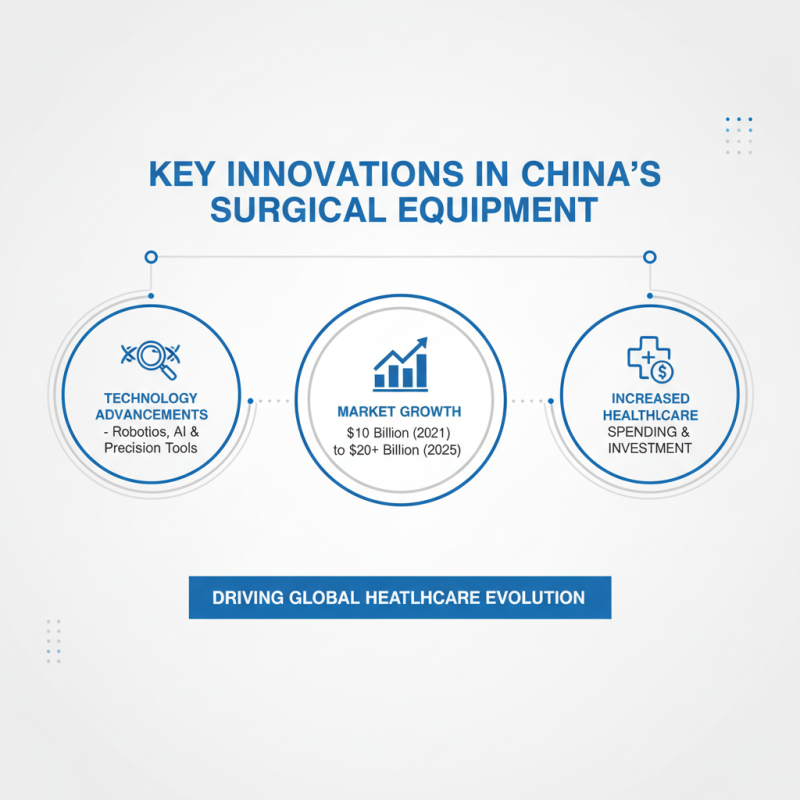
China's surgical equipment industry has seen remarkable innovations recently. In 2021, the market was valued at approximately $10 billion. By 2025, projections suggest it could reach over $20 billion. This growth is driven by advancements in technology and increased healthcare spending.
One key area of innovation is minimally invasive surgical techniques. These techniques reduce recovery times and improve patient outcomes. Data shows a 30% increase in the use of robotic-assisted surgeries over the past two years. However, challenges remain. Access to advanced training for medical professionals is limited in many regions.
Digital health solutions are also transforming this industry. For instance, AI-powered equipment improves precision in surgeries. However, the integration of these technologies is uneven across hospitals. Some facilities lack the necessary infrastructure to support new tools. This disparity highlights the need for continued investment and development in the sector.
Essential Surgical Tools Used in Chinese Hospitals
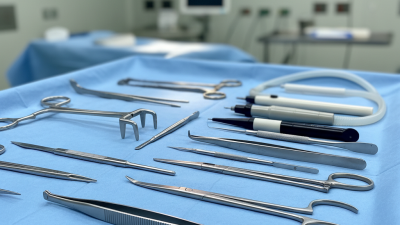
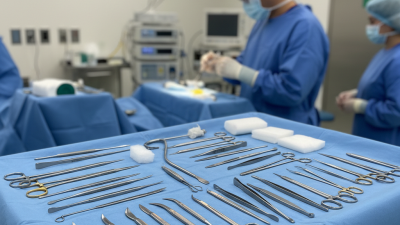
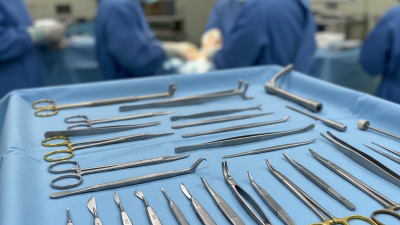
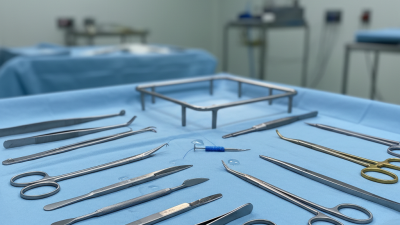
In Chinese hospitals, essential surgical tools are integral to successful medical outcomes. Surgeons rely on various instruments for precision and efficiency. Common scalpels cut through skin with sharp edges. Sutures follow, securing tissues together after incisions are made. Each tool plays a role in the surgical process.
Forceps and clamps are also crucial. They grasp and hold tissues or organs during surgery. Yet, improper handling can lead to complications. Instruments must be sterilized after each use, which is sometimes overlooked. This can pose risks to patients. Surgical gloves are vital to maintaining a sterile environment, but they too can fail.
Anesthesia machines provide critical support, keeping patients unconscious and pain-free. Anesthetic protocols, however, can vary greatly among professionals. Some may not monitor patients as closely as needed. Mistakes in dosage can arise, leading to serious consequences. Continuous education about tools and techniques is essential for all surgical teams. Proper training makes a difference. Each piece of equipment tells a story of its own, revealing the complexities of modern surgery.
China Top 10 Surgical Equipment Names You Should Know
| Surgical Equipment |
Application |
Material |
Unique Feature |
| Scalpel |
Incision |
Stainless Steel |
Precision Blade |
| Surgical Scissors |
Cutting Tissue |
Stainless Steel |
Ergonomic Design |
| Forceps |
Grasping |
Stainless Steel |
Variable Tip Options |
| Hemostatic Clamp |
Bleeding Control |
Stainless Steel |
Locking Mechanism |
| Surgical Needle |
Stitching Wounds |
Steel or Synthetic |
Variety of Shapes |
| Electrocautery Device |
Tissue Cutting & Coagulation |
Metal & Insulated Materials |
Precise Tissue Damage Control |
| Suction Device |
Fluid Removal |
Plastic & Metal |
Adjustable Suction Levels |
| Bovie Forceps |
Electrosurgery |
Metal Alloy |
Dual Functionality |
| Endoscope |
Diagnosis & Treatment |
Glass & Metal |
Live Visualization |
| Laryngoscope |
Airway Management |
Metal & Plastic |
Illuminated Blade |
Impact of Technology on Surgical Equipment Development in China
In recent years, technology has significantly influenced the development of surgical equipment in China. Innovations like robotic-assisted surgery are transforming traditional practices. Surgeons often rely on enhanced precision tools. These tools improve patient outcomes, but they come with challenges. Training is essential for medical staff to adapt to new technologies.
Moreover, the integration of artificial intelligence is becoming common. AI algorithms analyze surgical data, helping in decision-making. This technology has the potential to reduce human error, but it is not foolproof. There are concerns about
over-dependence on these systems.
Despite advancements, some surgical equipment still lags behind.
Smaller hospitals may struggle to obtain the latest tools. Budget constraints can limit access to cutting-edge technology. This disparity raises questions about
equity in healthcare. As China continues to innovate, ensuring equal access remains a priority.