Top 10 Basic Surgical Instruments You Need for Global Sourcing?
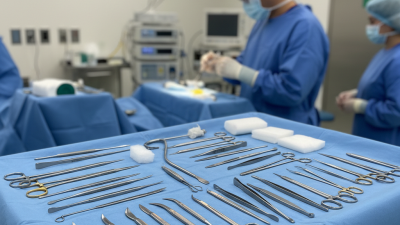
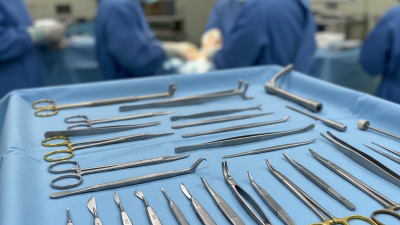
In the world of healthcare, the role of basic surgical instruments cannot be overstated. These essential tools serve as the backbone of surgical procedures, ensuring precision and effectiveness. Whether in a well-equipped hospital or a resource-limited setting, having the right instruments is crucial. Basic surgical instruments include scalpels, scissors, and forceps, among others. Each tool has a specific purpose, contributing to successful patient outcomes.
However, sourcing these instruments globally can be challenging. Variability in quality and availability across regions can lead to complications. It's vital to establish reliable suppliers who offer high-quality instruments. Emphasizing quality over cost can prevent risks during surgeries. Trustworthy manufacturers ensure that their instruments meet international standards.
While many practitioners know the essential tools, understanding their appropriate use is equally important. Misuse can lead to increased complications. Continuous education about basic surgical instruments can foster better practices and enhance surgical skills. Emphasizing this knowledge will elevate standards in surgical care globally.

Essential Surgical Instruments for Global Sourcing
When engaging in global sourcing for essential surgical instruments, one must focus on quality and reliability. Instruments like scalpels, forceps, and scissors are fundamental in any surgical setting. Each tool plays a vital role in ensuring successful outcomes. Proper sourcing ensures that these instruments meet international standards.
Tips: Always verify the certifications of the suppliers. Quality checks are critical. Do not overlook the importance of instrument maintenance training for your team.
Sterilization tools are equally important. They help maintain hygiene and prevent infections. Investing in reliable sterilization equipment saves costs in the long run. On the other hand, consider the potential challenges. Sourcing from different regions can lead to variations in instrument quality.
Tips: Create a checklist for quality assessment. Collaborate with industry experts to enhance your sourcing strategy. Consistent communication with suppliers is essential to address any discrepancies.
Understanding the Basics of Surgical Instrument Types
Understanding the basics of surgical instrument types is essential for safe surgeries. Surgical instruments are categorized based on their function. Common categories include cutting, grasping, and probing instruments. According to a report from the Global Surgical Instruments Market, the demand for these tools is expected to reach $15 billion by 2025, reflecting their critical role in healthcare.
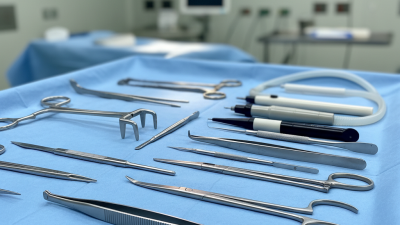
Cutting instruments, like scalpels and scissors, are vital for precise incisions. Grasping tools, such as forceps and clamps, help surgeons manipulate tissues. Probing instruments, like dilators, ensure a clear path during procedures. One study indicates that around 30% of surgical complications arise from improper instrument usage. This highlights the necessity for thorough training and ongoing evaluation in surgical settings.
Instruments must be regularly sterilized and maintained. Poor handling can lead to infections or equipment failures. Many institutions struggle with consistency in instrument management, which affects patient outcomes. The healthcare industry continually seeks solutions to improve training and reduce such risks. Emphasizing hands-on experience is paramount for surgical practitioners.
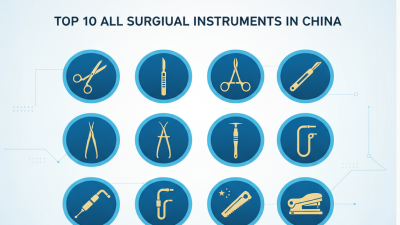
Top 10 Basic Surgical Instruments You Need for Global Sourcing
| Instrument Name |
Type |
Primary Use |
Material |
Sterilization Method |
| Scalpel |
Cutting |
Incision |
Stainless Steel |
Autoclave |
| Scissors |
Cutting |
Tissue Cutting |
Stainless Steel |
Autoclave |
| Forceps |
Grasping |
Holding Tissue |
Stainless Steel |
Autoclave |
| Hemostatic Clamps |
Clamping |
Controlling Bleeding |
Stainless Steel |
Autoclave |
| Needle Holder |
Holding |
Suturing |
Stainless Steel |
Autoclave |
| Suction Tube |
Suctioning |
Clearing Fluids |
Plastic/Metal |
Disinfection |
| Scissors (Bandage) |
Cutting |
Cutting Dressing |
Stainless Steel |
Autoclave |
| Electrocautery |
Cutting/Sealing |
Tissue Sealing |
Metal |
Disinfection |
| Bowl/Tray |
Holding |
Collecting Instruments |
Metal/Plastic |
Disinfection |
| Surgical Drapes |
Covering |
Maintaining Sterility |
Fabric |
Single-use |
Criteria for Selecting Surgical Instruments for International Procurement
When selecting surgical instruments for global sourcing, several criteria play a crucial role.
Quality is paramount. Instruments must meet international standards.
The World Health Organization (WHO) emphasizes that improper tools can lead to complications.
A study from MarketsandMarkets highlights that the global surgical instruments market is expected to grow at a
CAGR of 6.1% through 2027, reflecting an increasing demand for reliable surgical tools.
Cost effectiveness is another critical factor.
Hospitals and healthcare providers need to balance price and utility.
High-quality instruments may come at a premium, but their longevity and performance often justify the investment.
A report from Grand View Research shows that surgical instruments account for nearly
30% of total healthcare costs.
This makes thoughtful procurement essential.
Supplier reliability is vitally important. Trusting suppliers ensures that instruments arrive on time and meet quality standards.
In a survey by MedTech Europe, nearly 40% of healthcare providers cited
supply chain disruptions as a major challenge. This emphasizes the need for organizations to cultivate strong
relationships with reputable manufacturers. Instruments should be traceable and have documented history to assure
quality control.
Top Vendors and Manufacturers for Surgical Instruments Worldwide
When sourcing surgical instruments globally, selecting reliable vendors is crucial. Look for suppliers with extensive experience in the medical field. The best vendors offer a variety of instruments, ensuring that you can meet diverse needs. They should provide certifications that validate their adherence to quality standards.
Tips: Always verify the vendor’s reputation through reviews and case studies. Direct communication can reveal much about their reliability. Some suppliers may have hidden costs, so get a clear quote.
Understanding production capabilities is essential. Effective manufacturers should be transparent about their processes. A good manufacturer uses advanced technology and skilled labor to ensure precision. Look for those who have consistent quality control measures.
Tips: Compare multiple manufacturers before making a decision. Pay attention to delivery times and customer support. Too low a price might indicate quality concerns, so weigh your options carefully.
Best Practices for Quality Assurance in Surgical Instrument Sourcing
Quality assurance in surgical instrument sourcing is essential for ensuring patient safety. When selecting instruments, it is vital to choose suppliers who adhere to international quality standards. This includes certifications from recognized organizations. Always request documentation that verifies compliance.
Inspecting instruments upon arrival is equally important. Look for signs of damage, rust, or defects that could affect performance. Each instrument should function correctly and meet specific design criteria. Engage with suppliers who allow returns for defective items. This instills confidence and accountability.
Building long-term relationships with reliable suppliers is crucial. Regular communication helps to establish expectations, address issues, and enhance product quality. Foster a culture of feedback. Suppliers should be open to critique. This process can highlight areas for improvement and streamline operations in the long term.
Top 10 Basic Surgical Instruments