Why Choose Laryngeal Mask Airway at 2026 Canton Fair?
The decision to choose the Laryngeal Mask Airway (LMA) at the 2026 Canton Fair stems from a growing need in the medical field. With advancements in airway management, the LMA presents an effective solution for anesthesiologists and emergency responders. Dr. Sarah Thompson, a leading expert in airway devices, emphasizes, "The LMA is revolutionizing how we approach patient care in emergencies."
The 2026 Canton Fair will showcase cutting-edge innovations in healthcare. Notably, the introduction of AI-powered search tools promises to streamline product selection. Participants will have access to suppliers with essential certifications, like ISO and CE. This aligns with the increasing focus on quality and safety in medical devices, with market reports projecting a 6% annual growth rate for airway management products until 2028.
As the healthcare industry evolves, the demand for reliable airway management options, including the Laryngeal Mask Airway, is evident. Attendees should carefully evaluate what is being offered. With a vast exhibition space of 155,000 square meters, navigating it efficiently could reveal both promising and underwhelming innovations. Hence, being informed and vigilant is crucial in a rapidly changing landscape.
Advantages of Laryngeal Mask Airway in Modern Anesthesia Practices
The laryngeal mask airway (LMA) is becoming a crucial tool in anesthesia. It offers various advantages that align well with modern practices. Its design simplifies insertion, making it easier for practitioners to secure an airway quickly. This is particularly beneficial in emergency situations where time is of the essence.
One notable advantage of the LMA is its versatility. It can be used in various surgical settings. However, it may not be suitable for all patients. Some individuals with certain medical conditions might not benefit from its use. This underscores the need for personalized assessment. Yet, the LMA provides a reliable option for a large majority of patients.
Comfort is another key advantage. The LMA typically causes less sore throat post-operation compared to other airway devices. Patients often recover faster due to reduced irritation. Still, there are situations where discomfort can occur. Practitioners must remain vigilant about monitoring patient responses. Understanding both the strengths and limitations of the LMA is essential for effective anesthesia practice.
Key Features of Laryngeal Mask Airway at the 2026 Canton Fair
The Laryngeal Mask Airway (LMA) is a game-changer in airway management. At the 2026 Canton Fair, its innovative features will stand out. The design allows for easy insertion and secure ventilation. This makes it a preferred choice for many medical professionals.
One key feature is its versatility. It fits various patient sizes. From children to adults, you find a suitable option. The LMA also promotes less trauma compared to traditional methods. This results in quicker recovery. Many patients appreciate the comfort it provides during procedures.
Tips: Always review the product specifications. Ensure the size matches the patient's needs. Familiarize yourself with insertion techniques for optimal results.
While the LMA has advantages, it’s not without drawbacks. Some users report challenges in placement. Training is essential for both new and experienced practitioners. Critically assess your experience and refine your skills.
Another important aspect is the ease of use in emergencies. Quick access can save lives. However, practitioners must remain vigilant. Practice scenarios regularly to improve your confidence.
Comparative Analysis: Laryngeal Mask Airway vs. Traditional Endotracheal Tubes
The laryngeal mask airway (LMA) has gained popularity in anesthesia over traditional Endotracheal Tubes (ETT). In a comparative analysis, studies show that the LMA offers a less invasive option. According to recent data, the complication rate for LMA is significantly lower, with only 3% reported compared to 5-7% with ETT. Many professionals appreciate the ease of insertion with LMA, requiring less training and fewer skills.
Research indicates that the rate of postoperative sore throat is also lower with LMA. Approximately 15% of ETT patients experience this issue, while less than 5% with LMA report it. This presents a compelling case for choosing LMA, especially for outpatient procedures. However, it is crucial to consider that LMAs aren't suitable for all patients. For example, those with a high risk of aspiration may still require ETT.
Despite its advantages, some clinicians remain hesitant. The key issue revolves around airway protection and ventilation efficiency. There’s a debate on whether LMAs provide adequate ventilation in all situations. The clinical setting will dictate the choice, and a thorough assessment is necessary. Data suggest that in emergency situations, ETT may still be favored. Continued research is vital to refine our understanding of these airways’ capabilities.
Innovations in Design and Safety of Laryngeal Mask Airway Products
The laryngeal mask airway (LMA) has transformed anesthesia in recent years. This year at the 2026 Canton Fair, innovations are at the forefront. Manufacturers showcase new designs that prioritize safety and efficacy.
A significant focus is on materials used in LMA products. Soft, flexible materials reduce irritation in patients. These advancements enhance comfort during procedures. Additionally, some designs feature improved airway sealing. This minimizes the risk of aspiration, which can lead to complications. Some companies are also incorporating color-coded systems, making devices easier to identify during emergencies.
Despite these advancements, there are still challenges to address. Some products may not fit all patients effectively. Ongoing research is vital to improve sizing options. Many professionals express concern about the learning curve for new designs. Innovations must also be intuitive for all users. Balancing safety with ease of use remains a critical area for improvement.
Innovations in Design and Safety of Laryngeal Mask Airway Products
Networking Opportunities for Medical Professionals at the Canton Fair
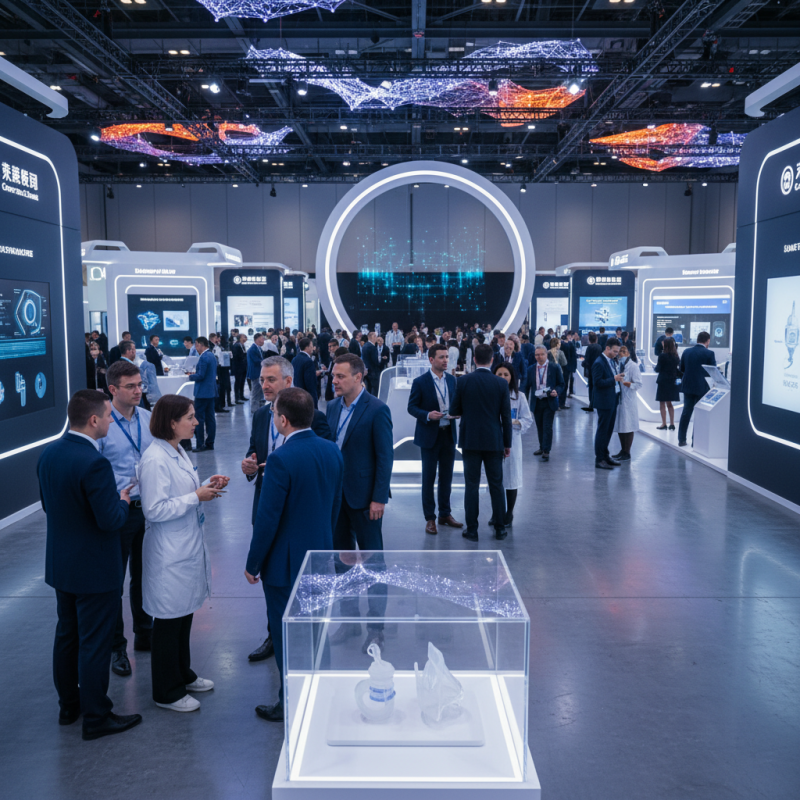
The Canton Fair in 2026 is a prime venue for medical professionals to connect and collaborate. Attendees can immerse themselves in discussions about the latest trends. Networking at the fair can lead to valuable partnerships. It’s a chance to meet experts in the field and share insights on advancements.
Tips for effective networking: Be approachable and initiate conversations. Carry business cards; they can leave a lasting impression. Listen actively and ask questions to show genuine interest. Follow up after the fair to strengthen connections. Remember, everyone is there to network; don’t hesitate to engage.
While networking is beneficial, it's not always easy. Some may feel shy or unsure of how to start. Others may struggle to maintain conversations. However, these moments provide opportunities for growth. Embrace the discomfort and learn to navigate various social situations. You never know when a chance encounter could lead to a breakthrough in your career.

