2026 How to Choose the Best ABA Blown Film Machine?
In the competitive field of packaging, choosing the right equipment is crucial. An expert in the industry, Dr. Emily Chen, once stated, "A reliable aba blown film machine can significantly impact production quality." This machine is essentially a lifeline for many manufacturers.
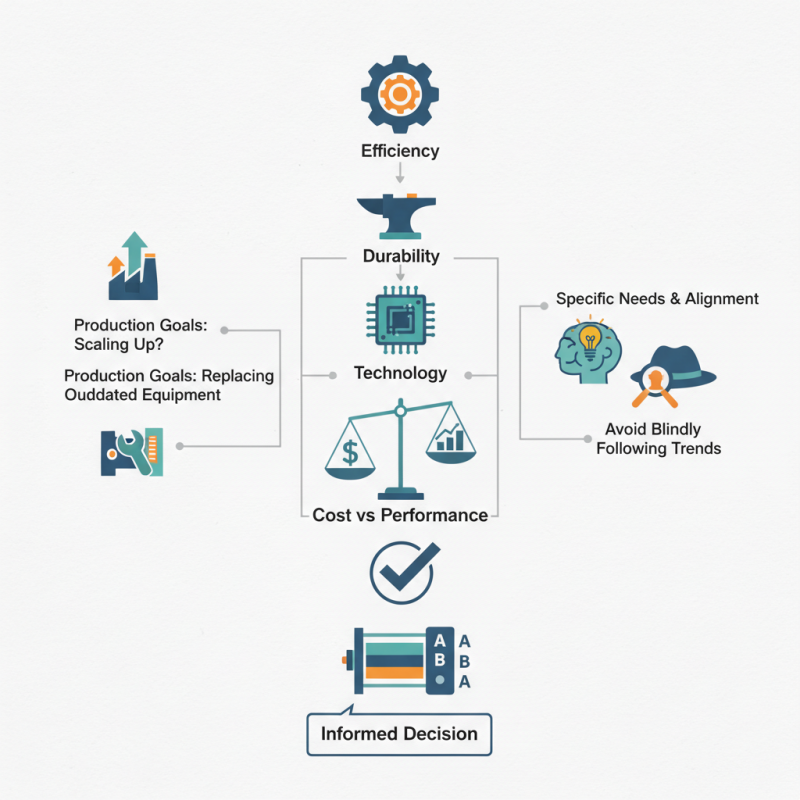
When selecting an aba blown film machine, several factors come into play. You need to consider the machine's efficiency, durability, and technology. The balance between cost and performance can often be tricky. Some machines promise high output but fall short in quality.
As you evaluate options, reflect on your specific needs. What are your production goals? Are you scaling up or looking to replace outdated equipment? Avoid blindly following trends; ensure the machine aligns with your operation. Understanding these nuances can lead you to make a more informed decision in choosing the best ABA blown film machine.
Understanding ABA Blown Film Machines: Key Features and Benefits
When considering ABA blown film machines, understanding their key features is essential. These machines create multilayer films using a unique co-extrusion process. The layers usually consist of different materials, which enhances film properties. You get better strength and barriers against moisture and gases.
One crucial aspect is the machine’s capacity. Machines vary in size and output rate. Some may produce up to 500 kg of film per hour. However, larger machines often require more space and energy. This can be a limitation for smaller businesses. Choosing the right size involves balancing your production needs with available resources.
Another important feature is the control system. Advanced controls lead to consistent product quality. However, they may also complicate maintenance and require skilled operators. Additionally, not all machines have the same adaptability to different film types. This can affect your ability to innovate or change your production line. Always reflect on how these features align with your specific needs and business goals.
Factors to Consider When Selecting an ABA Blown Film Machine
When selecting an ABA blown film machine, several factors play a crucial role. The film thickness, for instance, directly impacts the machine's efficiency. A report by market analysts highlights that film thickness variations can affect output by up to 15%. This variability can hinder production schedules and lead to wasted resources. Ideally, machines should accommodate diverse film thicknesses to optimize production.
Material compatibility is another important consideration. Different polymers require specific processing conditions. Research indicates that machines designed for versatility outperform specialized units in terms of production flexibility. Not all machines are created equal; some may struggle with various resin types, limiting operational efficiency. A thorough compatibility assessment can prevent production setbacks and ensure consistent quality.
Energy consumption is often overlooked but is essential in the decision-making process. According to industry studies, energy-efficient machines can reduce operational costs by as much as 20%. Choosing a machine with optimized energy profiles is worthwhile. However, buyers sometimes focus solely on the initial costs, neglecting long-term savings. These reflections can provide valuable insights for potential buyers in this dynamic field.
2026 How to Choose the Best ABA Blown Film Machine? - Factors to Consider When Selecting an ABA Blown Film Machine
| Feature | Importance | Recommended Specification | Notes |
| Production Capacity | High | 200-500 kg/h | Select based on expected output. |
| Film Thickness | Medium | 0.5-2.0 mm | Consider application requirements. |
| Energy Efficiency | High | Less than 70 kWh per ton | Look for machines with energy-saving features. |
| Ease of Operation | High | User-friendly interface | Training time should be minimal. |
| Maintenance Support | Medium | 24/7 customer support | Availability of spare parts is crucial. |
| Customization Options | Medium | Available options | Tailor machine to specific needs. |
Comparing Different Brands and Models of ABA Blown Film Machines
When selecting the best ABA blown film machine, several factors come into play. Different brands offer various features, which can impact performance and efficiency. Some machines excel in speed, allowing for faster production. However, it's essential to consider the quality of the films produced. A machine may perform well but may not meet specific quality standards, leading to waste.
Another crucial aspect is maintenance. For some models, maintenance is straightforward. Others may require specialized knowledge and tools. This can lead to increased downtime and costs. It's vital to evaluate the long-term implications of maintenance on your operation. Additionally, some machines might not be compatible with certain materials, limiting versatility.
Cost is also a significant factor. Investing in a high-quality machine may seem expensive initially. However, it could lead to savings over time through efficiency and reduced waste. Assessing the total cost of ownership is an insightful exercise. Carefully weighing these elements ensures a thoughtful decision that aligns with your production needs and goals.
Comparison of ABA Blown Film Machines Based on Production Speed and Energy Consumption
Evaluating the Cost-Effectiveness of ABA Blown Film Machines
When selecting an ABA blown film machine, cost-effectiveness is crucial. Analyzing production costs helps determine if the investment is sensible. Focus on the machine’s energy efficiency, as energy consumption directly impacts operating expenses. High-quality components may come at a higher upfront cost, but could save money in maintenance and repairs later.
Consider the production speed and capacity. A faster machine can boost output, but analyze whether that increase justifies the expenses. It’s important to assess your current production needs. Overestimating capacity leads to unnecessary costs.
Not every feature will be useful. Look for a balance between technology and usability. Some machines come packed with features that may remain unused. This excess can inflate costs without adding value. Reflect on your specific requirements to ensure a wise choice.
Maintenance and Support for ABA Blown Film Machines: What to Know
When purchasing an ABA blown film machine, maintenance and support should be a top priority. Regular maintenance ensures efficiency. A recent industry report indicated that improper maintenance can reduce machine lifespan by up to 30%. Small adjustments can prevent larger breakdowns.
Operators should follow a routine checklist. This includes checking the heating elements, ensuring proper calibration, and verifying the pellet feed system. Neglecting these aspects can lead to unexpected downtime. Additionally, training is crucial. Studies show that companies investing in staff training see a 20% increase in productivity.
Having access to reliable technical support is equally important. Machine complexities can vary. Knowing what to do when issues arise can save time and money. Some operators wait too long to seek help, only to face costly repairs. A supportive environment encourages quick problem resolution. Understanding these factors can significantly impact the performance of your ABA blown film machine.