What is a General Surgical Instrument with Names and Functions?
In the realm of surgery, the role of general surgical instruments with names cannot be underestimated. Dr. Alice Thompson, a renowned expert in surgical technology, once stated, "Understanding the tools we use is crucial for effective surgery." Her insight highlights the significance of these instruments, which range from scalpels to forceps.
General surgical instruments with names serve specific functions vital for procedures. Each tool is designed with precision and purpose. For instance, a scalpel allows for clean incisions, while clamps securely hold tissues. This specialization enhances surgical efficiency. However, relying solely on these tools may lead to oversight in their proper use.
The variety of instruments reflects the complexity of surgeries. Still, it’s essential to recognize challenges. Not all instruments are intuitive to new surgeons. Sometimes, improper handling can lead to complications. Continuous learning is key for effective application of these tools. Understanding general surgical instruments with names helps bridge the gap between practice and theory.
What Are General Surgical Instruments? An Overview
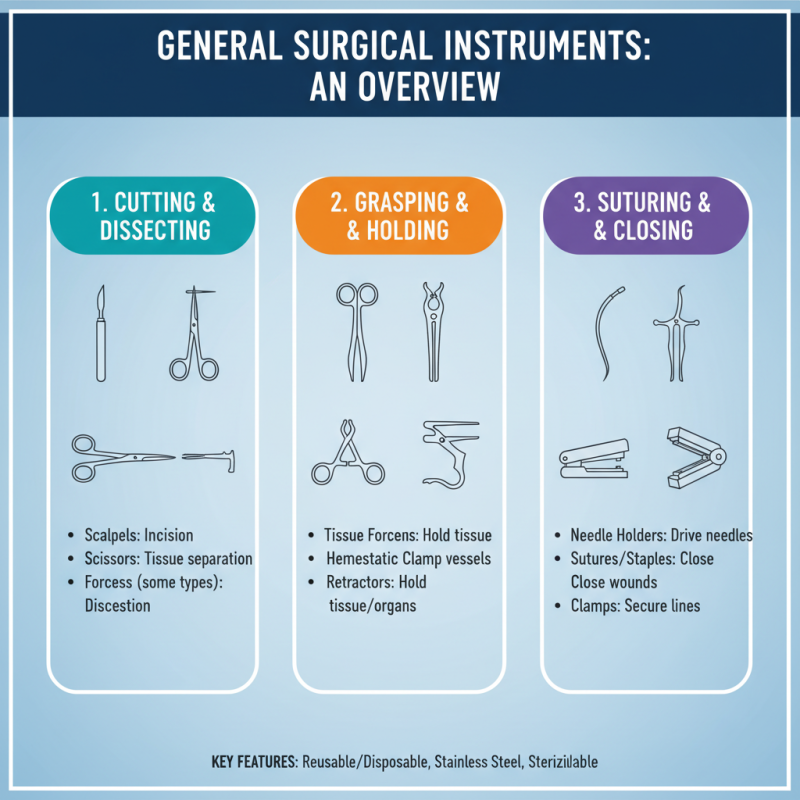
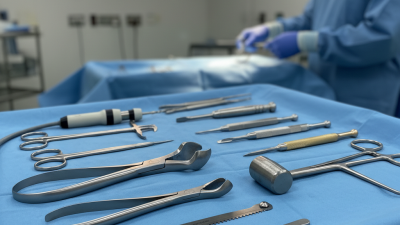
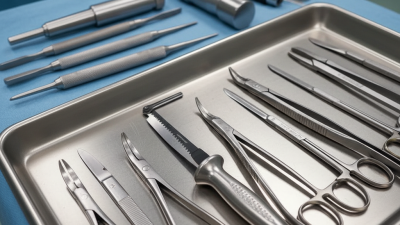
General surgical instruments play a critical role in the operating room. These tools help surgeons perform various procedures safely and effectively. Common instruments include scalpels, scissors, and forceps. Each instrument has a specific function, aiding in cutting, grasping, or manipulating tissues.
Surgeons rely on these tools for precision. A scalpel, for instance, is essential for making incisions. Scissors are used for cutting tissues or sutures. Forceps help in holding or grasping structures. Understanding the different names and functions enhances the surgical team's efficiency.
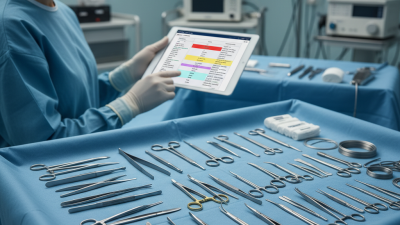
**Tips:** Always ensure instruments are sterilized before use. Check for wear and tear regularly. It’s crucial to have a well-organized instrument tray to minimize confusion. A misplaced tool can slow down a procedure and cause mistakes. Practicing with these instruments can improve familiarity, though a cautious approach is key. Mistakes happen, and reflection on them is essential for growth.
Classification of General Surgical Instruments by Function
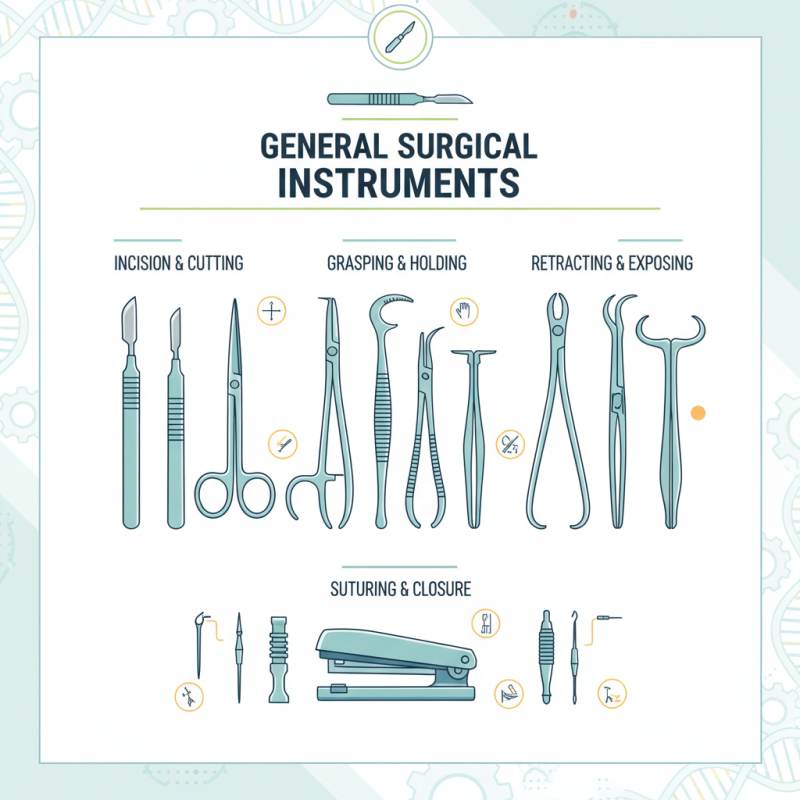
General surgical instruments play a crucial role in operating rooms. These tools are classified by their functions: cutting, grasping, retracting, and suturing. Each category serves a unique purpose in surgeries. Cutting instruments include scalpels and scissors, essential for making incisions. Grasping instruments like forceps provide surgeons the ability to hold onto tissues securely.
Retraction is also vital in surgeries. Retractors, such as hooks and trays, help keep incisions open, providing better visibility. Suturing instruments, including needle holders, are used to stitch wounds closed after procedures. Understanding each tool's function is important for surgical success.
However, mistakes can occur. Surgeons must be precise in their tool selection. The wrong instrument can lead to complications. Training and practice are essential to avoid these errors. Each instrument demands respect and a clear understanding of its role. Continuous learning is crucial in mastering the use of these surgical instruments.
What is a General Surgical Instrument with Names and Functions? - Classification of General Surgical Instruments by Function
| Instrument Name |
Function |
Category |
| Scalpel |
Used for making incisions in the skin and tissues. |
Cutting |
| Scissors |
Used for cutting tissues, sutures, or other materials. |
Cutting |
| Forceps |
Used for grasping, holding, or manipulating tissues. |
Grasping |
| Hemostatic Forceps |
Used to clamping blood vessels to control bleeding. |
Clamping |
| Needle Holder |
Used for holding needles while suturing tissues. |
Holding |
| Scissors (Mayo) |
Used for cutting tough tissues and sutures. |
Cutting |
| Electrocautery |
Used for cutting or coagulating tissue using electrical current. |
Cutting/Coagulating |
Commonly Used General Surgical Instruments and Their Specific Uses
Surgical instruments play a vital role in procedures. Each tool has a specific purpose. Understanding them is essential for anyone involved in surgery.
Scalpels are sharp instruments used for incisions. They cut through tissue with precision.
Forceps help grasp and hold tissues. They come in various shapes and sizes. Hemostats clamp blood vessels to control bleeding. Surgical scissors are essential for cutting sutures and tissue.
Knowing how to use each tool is crucial. A misplaced incision can lead to complications. Always ensure instruments are sterilized before use.
Tips: double-check before starting any procedure. Familiarity with each tool increases efficiency.
Challenging situations arise in the operating room. Tools can sometimes malfunction. Be prepared and adaptable. Reflect on instrument handling to improve over time. A surgeon's skill is as much about tools as technique.
Emerging Technologies in General Surgical Instruments: Impact on Surgery
Emerging technologies in general surgical instruments are transforming the landscape of surgery. Innovations like
robotic surgery, 3D printing, and smart instruments enhance precision and outcomes. In recent years, surgical robots have become more common. Reports indicate that the global surgical robotics market is expected to reach $24 billion by 2027. These technologies are improving minimally invasive procedures.
However, the integration of these technologies raises concerns as well. Training on advanced systems is often inadequate. A 2022 study revealed that 30% of surgeons felt unprepared to use robotic systems effectively. This gap can lead to complications or longer surgery times. Furthermore, the costs associated with advanced surgical instruments can limit access for many hospitals.
Using 3D printing is also on the rise. Surgeons can create custom implants and instruments tailored to patients' needs. This personalization can lead to better fit and increased success rates. Still, 40% of healthcare facilities report challenges in adopting this technology due to lack of expertise. Balancing innovation with these practical challenges is essential for the future of surgical practices.
Safety Standards and Regulations for General Surgical Instruments
Safety standards and regulations are crucial for general surgical instruments. These instruments must meet stringent criteria to ensure the safety and effectiveness of surgical procedures. Regulatory bodies evaluate the design, manufacturing, and performance of these tools. They establish guidelines that prevent contamination and reduce the risk of infection.
Instruments must be made with high-quality materials. Corrosion resistance is essential. Any sign of wear or damage can compromise their functionality. Regular inspections can help identify issues before they lead to serious problems. It’s remarkable how overlooked some aspects are in daily practice. Staff training on proper usage is often inadequate. This can lead to mishandling, which compromises patient safety.
Tips: Always check for signs of damage. Instruments should be sterilized before each use. This simple step can greatly increase safety. Ensure that all staff understand the importance of these regulations. A culture of safety and compliance starts with awareness. Remember, even minor lapses can have significant consequences in surgical settings.