Top 10 Essential Surgical Instruments Every Medical Professional Should Know?
In the world of surgery, having the right tools can make all the difference. Every medical professional should be familiar with a surgical instruments list that highlights the essentials. Knowing these instruments enhances efficiency and accuracy in the operating room.
Consider the scalpel, a fundamental tool for making incisions. Then there are hemostats, crucial for controlling bleeding during procedures. Each instrument serves a specific purpose, yet many professionals may overlook their importance. In a fast-paced environment, familiarity can be easily forgotten.
Understanding these surgical instruments is not just about recognition; it’s about mastery. A surgeon’s confidence can waver when unsure of their tools. Reflecting on one’s knowledge of these instruments can lead to improvement. After all, even seasoned professionals can benefit from revisiting the basics.
Overview of Surgical Instruments in Medical Practice
Surgical instruments are crucial in any medical practice.
These tools aid in diagnosis, treatment, and patient care. Knowing basic instruments enhances the efficiency of medical professionals.
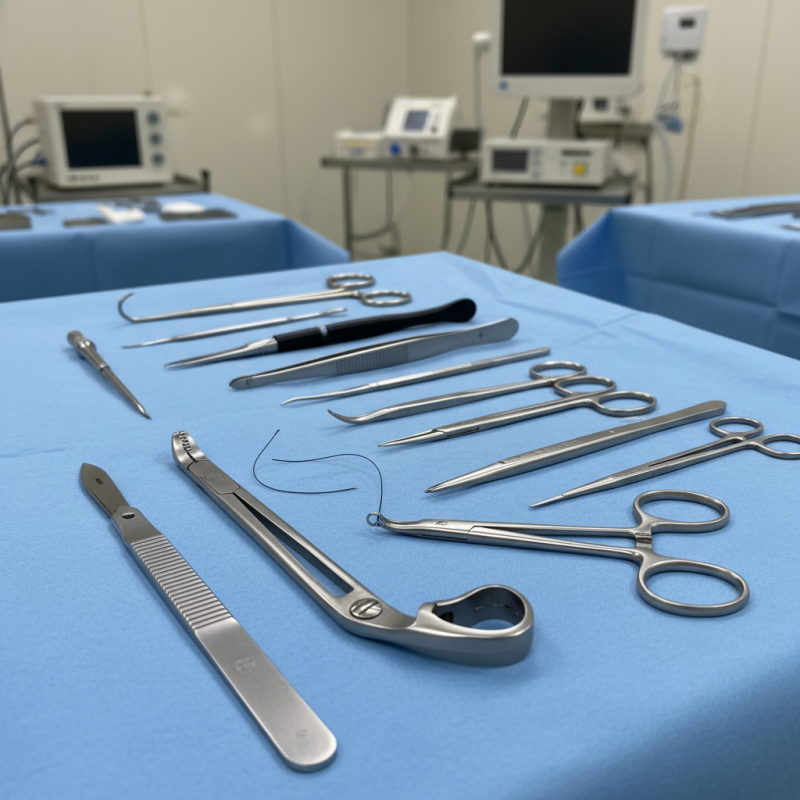
A scalpel, for instance, is essential for making precise incisions.
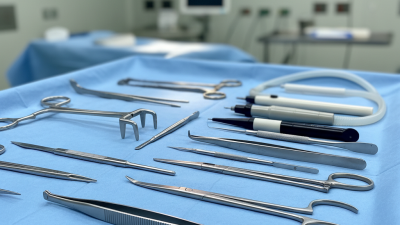
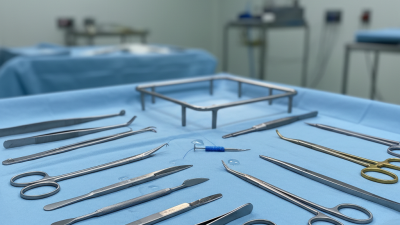
Scissors, in various forms, help in cutting tissues or sutures. Forceps are vital for gripping and manipulating tissues.
Learning about surgical instruments requires practice. Familiarity with each tool builds confidence.
Pay attention to their maintenance.
Clean and sterilized instruments prevent infections. Remember, a misplaced instrument can lead to complications.
For those entering the field, start with the basics. Observe experienced colleagues during procedures.
Understand each instrument's function and proper handling. It’s a steep learning curve, but essential for growth.
Regularly review techniques and reflect on any mistakes.
This practice fosters an environment of continuous improvement, crucial in surgery.
Fundamental Surgical Instruments: Purpose and Functions
Surgical instruments are vital for any medical professional. Knowing their purpose and function is crucial. Take clamps, for instance. They stop blood flow during surgery. This allows for better visibility and control. Then there are scissors, specifically designed for cutting tissues. They come in various shapes and sizes, tailored for specific tasks.
Tips: Always keep instruments clean. Dirty tools can lead to infections. Regularly check for damage. A broken blade can complicate procedures.
Another essential tool is the scalpel. It makes precise incisions. Surgeons rely on it for accuracy. Forceps are equally important. They grip tissues delicately. Misuse can cause trauma. Understanding each instrument's role enhances surgical outcomes. However, remember that not all equipment works perfectly every time. Continuous learning is essential for improvement.
Essential Handheld Surgical Tools: Types and Uses
Handheld surgical tools are vital in medical procedures. They come in various types, each designed for specific tasks. For instance, scalpels are sharp instruments used for incisions. The precision of a scalpel can significantly affect the outcome of a surgery. According to a 2022 report from the American College of Surgeons, surgical complications drop by 30% when appropriate instruments are utilized efficiently.
Forceps are another essential tool. They are used for grasping and holding tissues. Their design can vary, with some featuring serrated edges for a better grip. A study in the Journal of Surgical Research noted that improper use of forceps can lead to tissue damage, highlighting the need for training. Additionally, scissors are crucial for cutting sutures or other materials. Their effectiveness relies on the surgeon's skill and tool quality. Many professionals report that better familiarity with tools enhances surgical outcomes.
Despite the importance of these instruments, not all medical professionals receive uniform training. Some may struggle with using certain tools correctly. Ongoing education is necessary to refine skills. Inadequate knowledge can result in increased surgery time and complications. Thus, constant awareness and training on these essential instruments are critical for improved patient safety and care.
Top 10 Essential Surgical Instruments Every Medical Professional Should Know
Advanced Surgical Equipment: Innovations and Applications
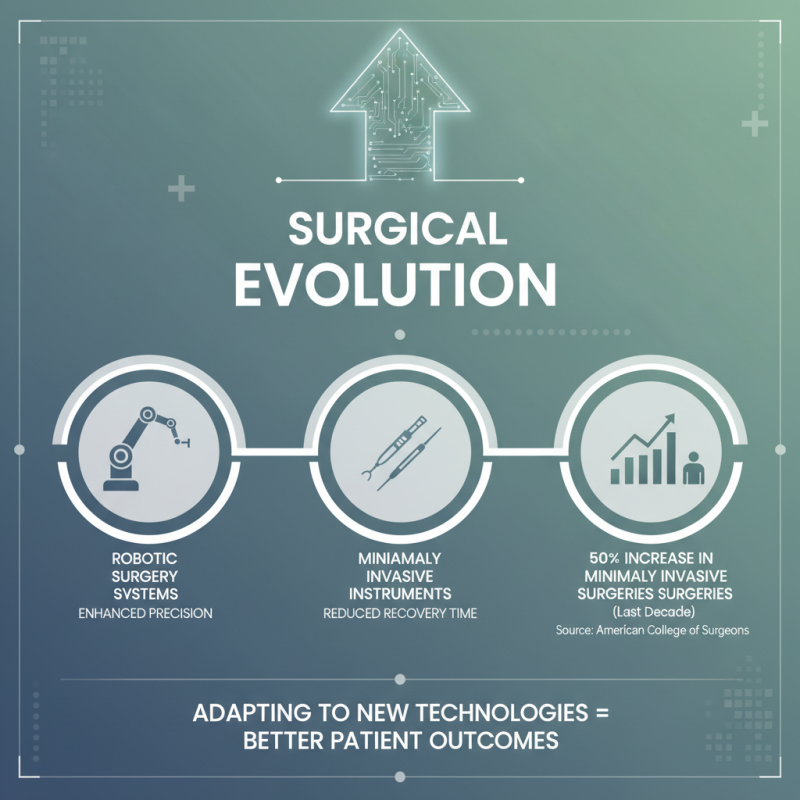
In recent years, advanced surgical equipment has transformed the operating room. Innovations like robotic surgery systems and minimally invasive instruments enhance precision and reduce recovery time. According to a report by the American College of Surgeons, minimally invasive surgeries have increased by over 50% in the last decade. This shift highlights the importance of adapting to new technologies.
Innovative tools, such as 3D imaging devices, allow surgeons to visualize complex anatomies before making incisions. A 2022 study indicated that surgeries using advanced imaging techniques reduce complications by nearly 30%. However, it's essential to recognize the learning curve associated with implementing such technologies. There is a significant need for ongoing training and practice to ensure efficacy.
While these advancements are promising, reliance on technology can lead to overconfidence. Surgeons must balance skill with the capabilities of these tools. The integration of advanced instruments presents opportunities and challenges. It encourages continuous reflection on surgical practices and outcomes. As medical professionals embrace innovation, they must also critically evaluate its impact on patient care.
Maintaining and Sterilizing Surgical Instruments for Safety
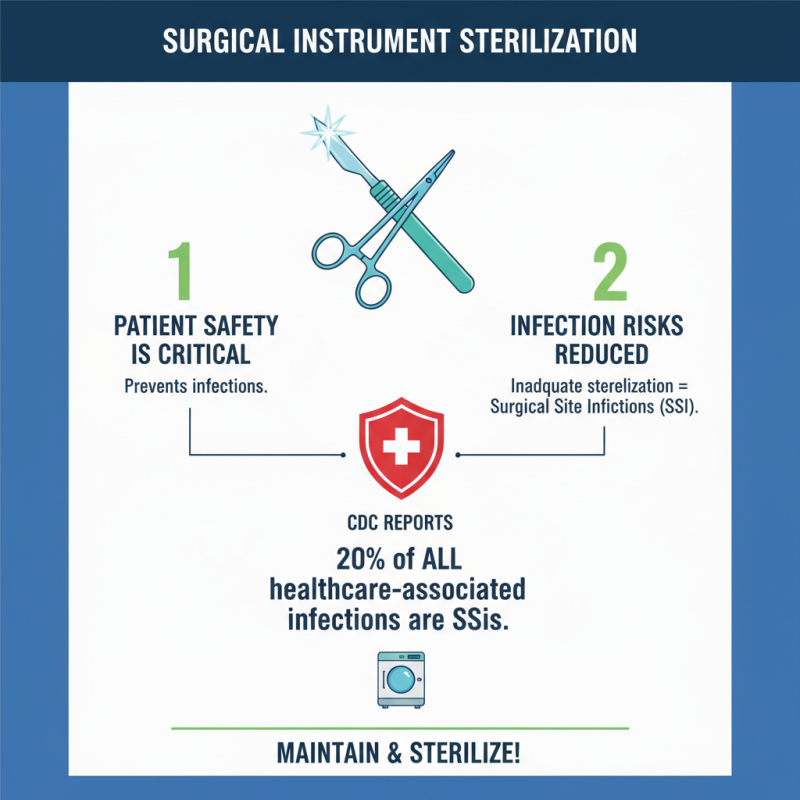
Maintaining and sterilizing surgical instruments is critical for patient safety. The Centers for Disease Control and Prevention (CDC) reports that inadequate sterilization can lead to surgical site infections. These infections account for nearly 20% of all healthcare-associated infections.
Regular cleaning is not enough. Instruments must be properly sterilized using methods like steam, ethylene oxide, or hydrogen peroxide. Each method has specific protocols, which must be adhered to strictly. For example, steam sterilization requires instruments to be subjected to high pressure and temperature for a specific duration. Any deviation can compromise sterility.
Staff training is essential. A study indicates that over 30% of surgical professionals lack adequate training in infection control practices. This gap can lead to human error in both sterilization and maintenance. Instruments should be inspected for damage, as small defects can harbor bacteria. It's a constant challenge to balance efficiency with safety in the operating room. The pursuit of perfection is ongoing, and reflection on current practices remains vital.