Essential Surgery Tools Tips for Better Outcomes?
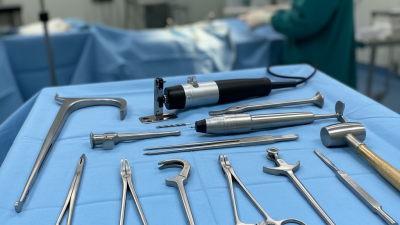
Surgery tools play a vital role in ensuring optimal surgical outcomes. According to Dr. Emily Chen, a leading expert in surgical instrument design, "The right tools can transform a complex procedure into a successful one." This insight highlights the critical importance of selecting appropriate surgery tools for each specific operation.
In the fast-paced environment of surgery, the focus is often on outcomes. Yet, the quality of tools used can sometimes be overlooked. A surgeon’s skill is paramount, but without reliable instruments, even the best skills can falter. Take, for example, the case of a scalpel that fails during a crucial moment. Such instances can lead to complications. It's a reminder of the need to evaluate and test our surgery tools continuously.
Moreover, there's always the chance for human error. Every tool has its quirks. A familiar tool can suddenly perform poorly under stress. It's essential to reflect on our experiences with these tools and adapt accordingly. Emphasizing the right surgery tools means not just understanding their features but also recognizing their limitations. The conversation around surgery tools must be ongoing and dynamic to truly enhance patient outcomes.

Understanding the Importance of Essential Surgery Tools in Practice
Surgical tools play a crucial role in achieving successful patient outcomes. According to a report from the World Health Organization, approximately 30% of surgical complications may relate to the tools used during procedures. This highlights the critical need for proper selection and maintenance of surgical instruments.
In practice, understanding the importance of essential surgical tools starts with recognizing their functions. Forceps, scalpels, and suturing kits each have specific roles. Inadequate tools can lead to longer surgery times and increased patient risk. A survey in the Journal of Surgery found that nearly 40% of surgeons experienced delays due to unavailable or malfunctioning instruments. This inefficiency can greatly impact patient care and recovery.
Training and protocol adherence are vital for effective tool usage. A recent analysis indicated that surgical teams who followed consistent guidelines reported 20% fewer errors. Yet, it’s common to overlook these protocols in high-pressure environments. Continuous education and situational awareness remain key factors that need further attention. While advancements in tools are promising, the human element in their application cannot be ignored. Each surgical team must reflect on their practices to improve outcomes.
Key Surgical Instruments: Overview and Functionality
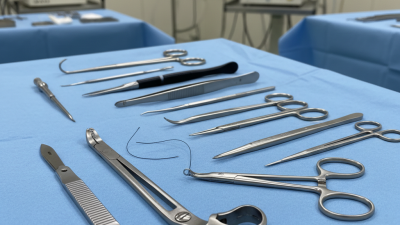
In the world of surgery, the right instruments can significantly impact patient outcomes. Key surgical instruments each serve specific functions. The scalpel, for instance, enables precise incisions. It is often viewed as the surgeon's primary tool. However, the blade can wear down and may require regular sharpening or replacement.
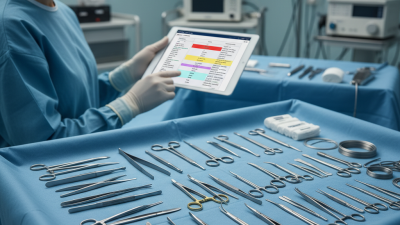
Forceps are another vital instrument. They allow for the grasping and manipulation of tissues. Surgeons sometimes struggle with the exact amount of pressure needed, which can lead to tissue damage. Another tool, scissors designed for surgical purposes, come in various shapes and sizes. They cater to different needs, but not every surgeon finds them intuitive to use effectively.
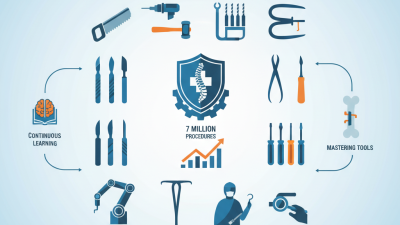
Understanding these instruments is essential, though practice can lead to frustration. There's a learning curve involved in mastering each tool's functionality. Sometimes, surgeons may overlook the potential for improvement, failing to refine their technique. This oversight can result in suboptimal outcomes, reminding us that even experienced practitioners must seek continual growth and self-assessment.
Essential Surgery Tools Tips for Better Outcomes
Tips for Selecting the Right Tools for Specific Surgical Procedures
Selecting the right surgical tools is vital for successful procedures. Every surgery has unique requirements. Surgeons must consider the specific needs of each operation. Using general tools can lead to complications. For instance, a wrong scalpel type may affect precision. Each tool has its own purpose, and understanding that is crucial.
Surgeons should prioritize training and experience. Familiarity with tools influences outcomes. Some might overlook the importance of comfort in tool handle design. This can lead to fatigue during lengthy surgeries. Additionally, choosing tools based solely on availability is risky. Inadequate tools may become a barrier in critical moments.
Quality control is another important aspect. Some tools may not undergo thorough checks. This can result in defects that go unnoticed. Regular audits of surgical instruments can help identify such issues. Reflecting on past surgeries may uncover areas for improvement. Each procedure teaches valuable lessons, shaping better choices for the future.
Essential Surgery Tools Tips for Better Outcomes
| Tool Name |
Type of Procedure |
Key Features |
Tips for Selection |
| Scalpel |
Incisions |
Precision cutting, sterile |
Choose based on blade size and handle comfort |
| Hemostatic Forceps |
Hemostasis |
Clamps vessels effectively |
Select for gripping strength and material |
| Scissors |
Cutting tissues |
Sharp blades, maneuverability |
Consider blade shape and length based on usage |
| Needle Holder |
Suturing |
Secure needle grip, fein mechanisms |
Pick based on handle design for comfort |
| Electrosurgical Unit |
Cauterization |
High precision, safety features |
Ensure compatibility with specific procedures |
Best Practices for Maintaining and Sterilizing Surgical Instruments
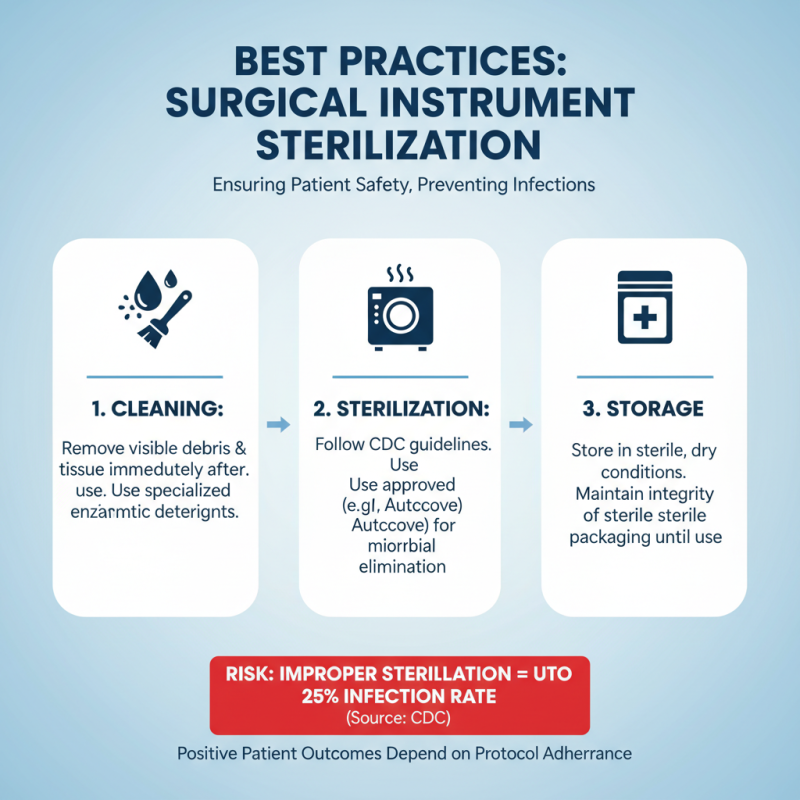
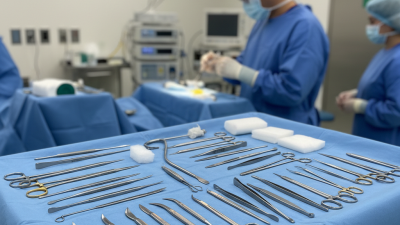
Maintaining and sterilizing surgical instruments is crucial for positive patient outcomes. According to the Centers for Disease Control and Prevention (CDC), improper sterilization can lead to infections in up to 25% of surgical patients. This underscores the importance of adhering to sterilization protocols.
Proper cleaning is the first step. Instruments should be rinsed immediately after use. Blood and tissue can dry quickly, making cleaning difficult later. The use of ultrasonic cleaners can enhance the cleaning process. However, just cleaning isn’t enough. Instruments must be properly sterilized afterward, often using steam or ethylene oxide gas. Yet, the process isn’t foolproof. Studies indicate that up to 20% of sterilization cycles may fail due to user error or equipment malfunction.
Monitoring and documentation are key aspects of maintaining surgical tools. Regular checks on sterilization equipment can prevent failures. This is often overlooked. Staff training on protocols is essential. Misunderstandings about sterilization methods can lead to increased error rates. Many facilities do not perform routine evaluations, which can compromise safety. Keeping surgical instruments in top condition requires diligence and commitment from the entire surgical team.
Training and Skill Development for Effective Surgical Tool Usage
Effective surgical tool usage is crucial for positive patient outcomes. Mastering essential tools requires extensive training and practice. Surgeons must familiarize themselves with the instruments they use. This involves understanding their functions, handling, and maintenance.
Inadequate training can lead to errors during procedures. These mistakes may cause complications, affecting recovery time and overall health.
Skill development is an ongoing process. Participating in workshops and simulation exercises enhances proficiency. These environments allow for experimentation without jeopardizing patient safety. Additionally, peer feedback can provide insights that streamline techniques.
Surgeons often benefit from reviewing past surgeries to identify areas for improvement.
Reflection is key. Continuous education is vital in adapting to new tools and methods. It’s important to be open to learning from mistakes and successes alike.