Essential Food Safety Kits Tips for Home and Travel Safety
In the realm of culinary exploration, safety should always be a priority. According to food safety expert Dr. Sarah Caldwell, "Food Safety Kits are essential for anyone who loves to cook, travel, or host." These kits not only provide peace of mind but are crucial for preventing foodborne illnesses.
Whether at home or on the go, having a personalized Food Safety Kit can make a significant difference. Essential items like thermometers, sanitizers, and proper storage materials ensure that food remains safe and healthy. However, many people overlook the importance of these kits until it's too late. It’s a stark reminder that poor food management often leads to regrettable outcomes.
Traveling amplifies the risks associated with food safety. With new environments, inconsistent practices, and unfamiliar food sources, the stakes are higher. Maintaining food safety standards away from home can be challenging. Therefore, equipping oneself with a well-thought-out Food Safety Kit is not just beneficial; it's necessary. Reflecting on personal experiences can reveal the gaps in our food safety routines, urging us to be better prepared.
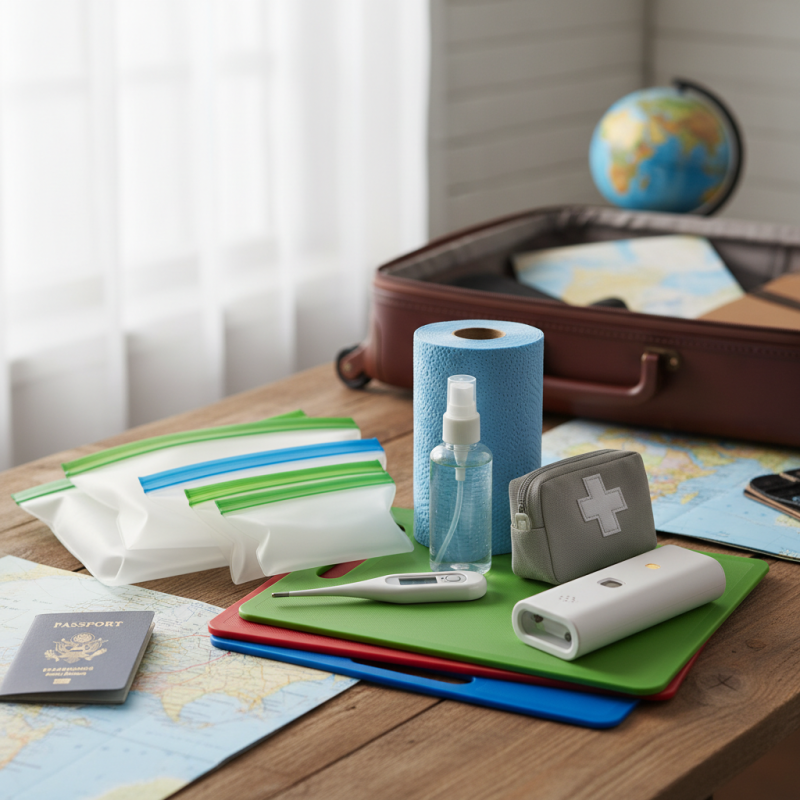
Essential Components of a Food Safety Kit for Home Use
Creating a home food safety kit is crucial for maintaining a healthy environment. Start with a digital or manual thermometer. This ensures that food is cooked to safe temperatures. It’s essential for avoiding foodborne illnesses. You can find thermometers in various styles. Some are instant-read while others require a few moments. Both serve their purpose.
Next, include a food-safe sanitizer. This helps keep surfaces clean and free from harmful bacteria. Consider wipes or a spray for convenience. Regular cleaning should become a habit, but many overlook this. Additionally, include separate cutting boards for raw meats and vegetables. This simple act can prevent cross-contamination.
Don’t forget to add disposable gloves to your kit. They help keep food safe when handling and serve as a barrier. It’s easy to forget not to touch your face during food prep. Including labels or markers in your kit can also be beneficial. Marking food storage dates can prevent consuming expired items. Reflecting on your habits can help identify areas for improvement.
Key Considerations for Assembling a Food Safety Kit for Travel
When assembling a food safety kit for travel, focus on essentials. First, include a reliable food thermometer to ensure food is cooked properly. Using a thermometer can prevent undercooked meals. Pack non-toxic cleaning wipes as well. These help sanitize surfaces when you're on the go.
Think about portion sizes when packing food. Individual servings can help you avoid waste and spoilage. Opt for resealable bags for easy storage and portion control. Label them with the date for better organization.
Always remember that food safety isn’t just about food itself. It also includes safe container storage. Choose containers that are sturdy and leak-proof. Reflect on what worked in the past. Have you forgotten an essential item before? Learn from those moments to improve your packing strategy.
Essential Food Safety Kits Tips for Home and Travel Safety
This bar chart illustrates the key components that should be included in a Food Safety Kit for both home and travel usage, emphasizing the importance of safety in food handling.
Best Practices for Food Storage and Temperature Control
When it comes to food safety, proper storage and temperature control are crucial. Keeping food at the right temperature can prevent harmful bacteria from growing. Refrigerators should be set below 40°F (4°C). Check the settings regularly; sometimes they shift unexpectedly. Don't rely solely on the appearance of food. Even items that look fine could harbor invisible dangers.
During travel, use insulated bags for perishables. Ice packs can maintain the cold chain. Be mindful of how long food sits out. It’s easy to forget perishables in a warm car. A good rule is two hours; in hot weather, just one hour is safer. If food has exceeded this time, it’s better to discard it.
Reflect on your habits. Are you packing foods without thinking of the temperature? Make a checklist before your next trip. Ensure your cooler works or consider getting a new one. Also, remember to wash hands frequently while preparing food. Neglecting this can lead to cross-contamination. A simple yet often overlooked step can improve safety greatly.
Common Food Safety Hazards and How to Avoid Them
When it comes to food safety, awareness of common hazards is crucial. Bacteria can thrive in improperly stored food. For instance, leaving perishable items out for too long increases the risk of contamination. Always check expiration dates and store food at the right temperatures to reduce these risks.
Here are some essential tips to keep in mind:
- Use separate cutting boards for raw meat and vegetables. This simple step avoids cross-contamination.
- Regularly clean kitchen surfaces to maintain a safe cooking environment.
- If you are traveling, pack a small thermometer to ensure food stays at safe temperatures.
Foodborne illnesses can spoil your travel plans. Washing hands before handling food is a must. If you notice changes in smell or color of food, do not take chances. Trust your instincts. Safety should always come first, even if it means wasting food. Making a habit of these practices can lead to healthier eating experiences at home and while traveling.
Emergency Procedures for Foodborne Illness Incidents
Foodborne illnesses can happen anywhere. Whether at home or traveling, the risk is always present. Knowing how to respond is crucial. If someone shows signs of food poisoning, act quickly. Symptoms include nausea, vomiting, and diarrhea. These indicate that immediate attention may be necessary.
Have a designated area for emergencies. Keep supplies like hydrated electrolytes and sanitizing wipes. These simple items can make a difference. If symptoms worsen, seek medical help. It’s important to take these moments seriously. Even mild cases may need professional care to prevent complications.
In your travel kit, include pamphlets with emergency contacts. Knowing where to go for help is essential. Reflect on past experiences to improve your preparation. Did you pack enough supplies? Were you aware of local resources? These questions are vital for future safety. Stay alert when dining out and prioritize food safety practices.
Essential Food Safety Kits Tips for Home and Travel Safety - Emergency Procedures for Foodborne Illness Incidents
| Item | Purpose | Usage Tips | Emergency Procedure |
| Food Thermometer | Checks food temperature for safety | Insert into the thickest part of meat | Monitor temperatures, discard if above 40°F for more than 2 hours |
| Hand Sanitizer | Cleans hands when soap isn’t available | Use a gel with at least 60% alcohol | Sanitize hands before preparing food |
| First Aid Kit | Address minor injuries from food preparation | Keep stocked with bandages, antiseptic wipes | Treat cuts or burns promptly, seek professional care if severe |
| Disposable Gloves | Prevents cross-contamination | Change gloves frequently while cooking | Dispose of gloves after handling raw food |
| Cooler with Ice Packs | Keeps perishable foods cold during travel | Use multiple ice packs for maximum cooling | Avoid opening cooler frequently; check temp regularly |

