How to Choose the Right Orthopedic Surgery Equipment for You?
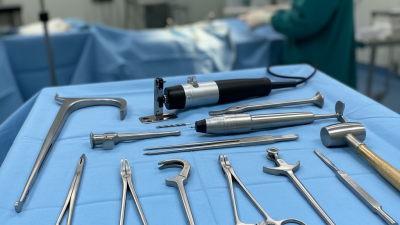
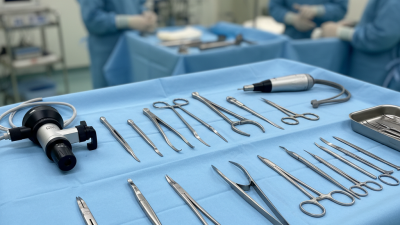
Choosing the right orthopedic surgery equipment is a crucial step for medical professionals. This decision impacts patient outcomes and surgical efficiency. Each piece of equipment plays a role in the success of various procedures. Understanding the specific needs of your practice is essential.
The market offers a wide range of orthopedic surgery equipment. It can be overwhelming. Not all tools are created equal; some may lack updated features or proven reliability. You must consider the unique requirements of different surgeries. This is where expertise and experience come into play. Knowledge about specific equipment types can greatly influence your choice.
Evaluating equipment can be tricky. Look for well-reviewed brands that are recognized in the field. Ask colleagues for recommendations. Additionally, explore forums and professional networks for insights. It’s vital to remain critical of new products. The right equipment can make all the difference, yet it requires careful reflection and research.
Understanding the Types of Orthopedic Surgery Equipment Available Today
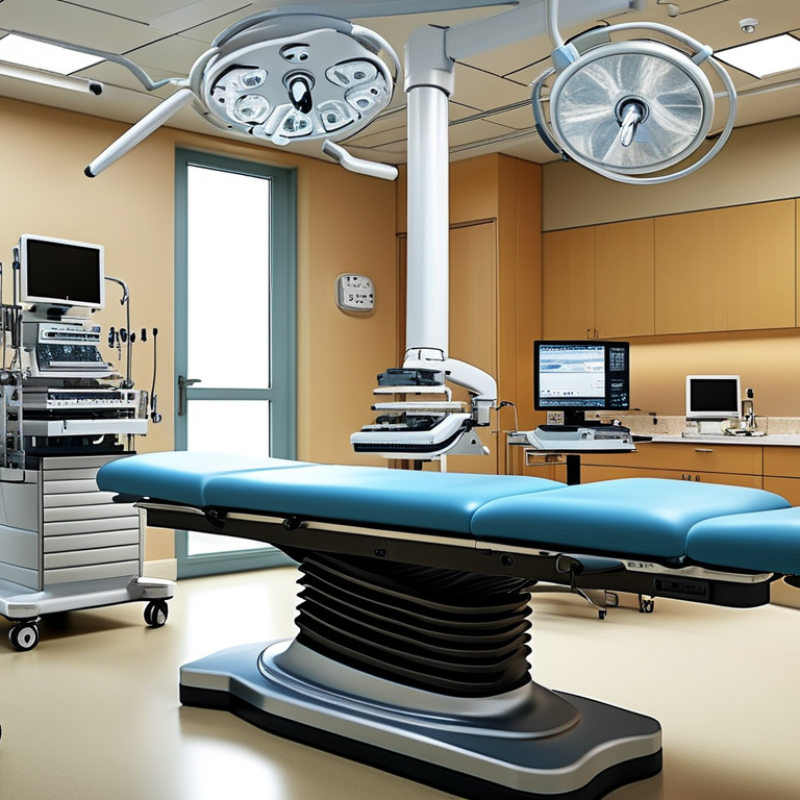
Choosing the right orthopedic surgery equipment is crucial for effective patient care. Various types of equipment are available today, serving diverse needs in surgical environments. Understanding these options is essential for healthcare professionals and organizations.
Orthopedic surgical instruments include tools for joint replacement, fracture fixation, and arthroscopy. According to a report by MarketsandMarkets, the orthopedic devices market is expected to reach $73.4 billion by 2025. This growth reflects the increasing demand for advanced surgical techniques. Devices like screws, plates, and intramedullary nails play significant roles in repairing bones. Their precision directly impacts surgical outcomes.
Emerging technologies also influence orthopedic equipment. Minimally invasive instruments are gaining traction, enabling smaller incisions and quicker recovery. A study highlighted that patients using minimally invasive techniques had a 30% shorter hospital stay. However, adopting such technologies requires extensive training and adaptation. It underscores the need for ongoing education among medical staff. Selecting the right equipment is not merely a matter of choice; it is a responsibility that affects patient outcomes.
How to Choose the Right Orthopedic Surgery Equipment for You?
| Equipment Type |
Description |
Common Uses |
Considerations |
| Surgical Tables |
Tables designed for stability and versatility during orthopedic procedures. |
Used in various surgeries requiring access to the limbs. |
Height and angle adjustments; weight capacity; ease of cleaning. |
| Orthopedic Surgical Instruments |
Tools specifically designed for orthopedic surgeries. |
Instruments for cutting, shaping, and holding bone. |
Quality of materials; sterilization capabilities. |
| Imaging Equipment |
Devices used for imaging bone and joint structure during surgeries. |
Guiding surgical procedures and assessments. |
Image resolution; radiation levels; mobility. |
| Power Tools |
Electric or pneumatic tools used for cutting and drilling bone. |
Essential for orthopedic surgeries requiring precision cutting. |
Ergonomics; power source; maintenance ease. |
| Bone Anchors |
Devices used to secure soft tissue to bone. |
Knee surgeries, shoulder repairs, and more. |
Material compatibility; strength; site-specific requirements. |
Key Factors to Consider When Choosing Orthopedic Surgery Equipment
Choosing the right orthopedic surgery equipment is crucial for successful outcomes. Start by considering the specific procedures you plan to perform. Different surgeries require different instruments. For example, joint replacements demand precision tools. A focus on the types of procedures can guide your selection.
Another key factor is the quality and durability of the equipment. High-quality tools may cost more but can lead to better results. Look for materials that provide reliability and ease of sterilization. Make sure the equipment meets safety standards. Ask colleagues about their experiences. Real-world feedback can be invaluable in assessing reliability.
Lastly, think about ease of use. Complex tools may increase operational time and the chance of error. It’s wise to be realistic about your team’s skills. Consider conducting trials with new equipment. This reflection can help identify any shortcomings. Discovering these issues early can prevent complications during surgery.
Evaluating the Importance of Equipment Quality and Manufacturer Reputation
When considering orthopedic surgery equipment, the quality of the equipment is paramount. High-quality tools can significantly impact surgical outcomes. Whether it's for joint replacements or spinal procedures, reliable equipment reduces risks. Equipment that fails or underperforms can lead to complications, extending recovery times and increasing patient discomfort.
Manufacturer reputation also plays a critical role. Renowned manufacturers invest in research and development, ensuring innovative designs and technologies in their products. Their commitment to quality assurance means lower chances of malfunction during surgery. However, not every well-known brand guarantees excellence. It’s essential to conduct thorough research about each manufacturer’s history and feedback from professionals in the field.
Sometimes, even reputable brands produce faulty items. Instances of equipment recalls have occurred, shaking the confidence of many practitioners. This unpredictability makes it vital for surgeons to verify the latest standards and regulations of the equipment they choose. Engaging with peers and attending conferences can provide valuable insights into the performance of various tools. Quality and reputation matter, but personal experience often guides the final decision.
Analyzing Cost vs. Benefit in Orthopedic Surgical Instruments
When choosing orthopedic surgical instruments, cost and benefit analysis is crucial. A study from the American Academy of Orthopaedic Surgeons indicates that high-quality instruments can lead to less surgical time and improved patient outcomes. However, these advantages come at a higher upfront cost. For instance, adopting advanced robotics in surgery may increase instrument expenses by 30%, but it can reduce hospital stays by nearly 15% on average.
Surgical teams must evaluate whether the increased expenditure translates to improved efficacy. Research shows that up to 20% of surgical instruments can become obsolete within five years. This means hospitals and clinics need to be strategic in their purchases. Investing in durable, reliable equipment can ultimately lead to cost savings through reduced complications and fewer reoperations. The trade-off between initial spending and long-term savings is a key factor in decision-making.
Additionally, the durability of instruments impacts overall costs. Quality instruments may withstand more procedures, thus decreasing the frequency of replacement. However, the learning curve associated with new technologies can also delay benefits. It’s important for surgical teams to consider operating room efficiency alongside financial implications. Adopting instruments that align with specific surgical needs can enhance outcomes, but only if their cost-effectiveness is clearly understood.
Assessing Technological Advances Impacting Orthopedic Equipment Selection
Technological advancements dramatically influence orthopedic equipment selection. Innovations, such as
3D printing and robotics, enhance precision in surgical procedures. Surgeons now have tools that can create personalized implants.
This customization leads to better patient outcomes and quicker recovery times.
However, not every new technology proves beneficial. Some devices may complicate procedures instead of simplifying them.
Surgeons must evaluate the learning curve associated with new tools.
For instance, robotic systems require training, which might not always be feasible for busy practices.
It’s vital to balance cutting-edge technology with usability and expertise.
Another critical aspect is data-driven decision-making. Many modern devices come equipped with sensors and analytics.
These features provide real-time feedback during surgeries. Yet, reliance on technology may lead to overconfidence.
Surgeons should ensure that their skills remain sharp. Personal experience is irreplaceable, even in a tech-driven environment.
As we embrace innovation, it’s essential to remain cautious and reflective about these tools' true impact on patient care.