How to Choose the Right Surgical Tools for Your Medical Practice?
Choosing the right surgical tools is crucial for any medical practice. The success of procedures often hinges on having the best instruments. Dr. Emily Carter, a renowned expert in surgical instrument selection, states, “Quality surgical tools can make all the difference in patient outcomes.” Her insight aligns with the fundamental need for precision in surgery.
Different surgical specialties have unique requirements. The variety of surgical tools varies greatly between orthopedics and cardiovascular surgery. Each tool serves a specific purpose and must be selected thoughtfully. Many practitioners admit to overlooking this aspect in their initial setup. Sometimes, cost considerations overshadow quality, leading to regrettable choices.
In an ideal world, every tool should meet the highest standards. Unfortunately, many practices struggle with outdated instruments. Reflection on past mistakes can guide future purchases. Careful evaluation of surgical tools is essential for enhancing surgical performance. Ultimately, the right tools contribute to safer surgeries and better patient care.

Understanding the Importance of Selecting the Right Surgical Tools
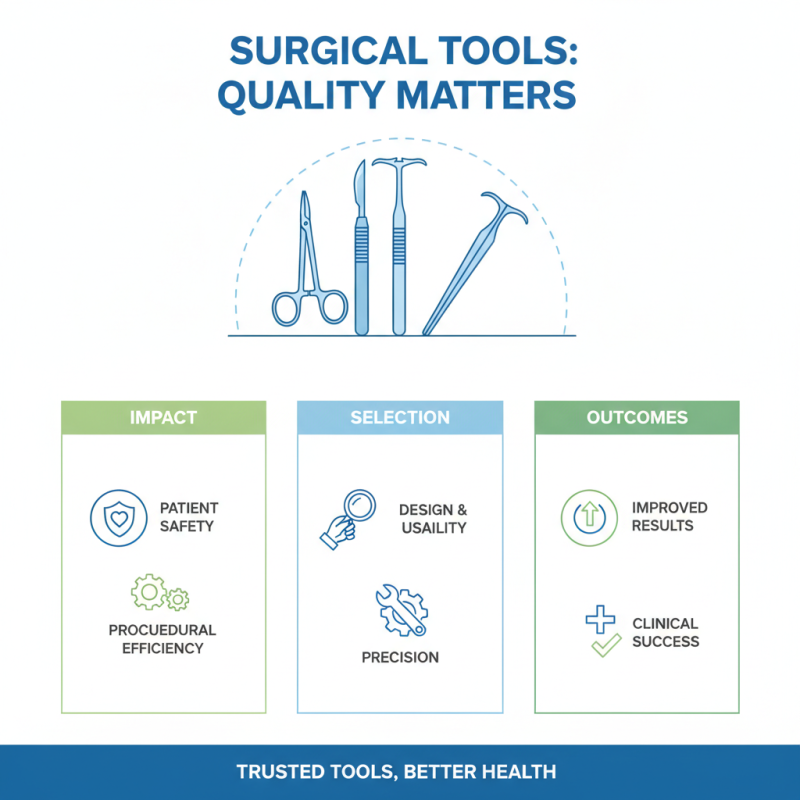
Choosing the right surgical tools is essential for any medical practice. The quality of tools can directly impact surgical outcomes. Each instrument plays a crucial role in patient safety and procedural efficiency. When selecting tools, consider their design and usability. A poorly designed instrument may hinder a surgeon’s ability to perform delicate procedures.
Understanding the importance of these tools involves more than just functionality. Surgical tools must also be comfortable to use. Surgeons often work long hours, so fatigue can be a significant issue. Heavy or awkward tools can lead to mistakes. Feedback from colleagues can provide valuable insights. Sometimes, tools that worked well in one setting do not translate effectively to another.
Additionally, regular evaluation of existing tools is important. Outdated instruments may not meet current standards. Collecting input from surgical teams can highlight areas needing improvement. Having discussions about what works and what doesn't can lead to better choices. Regular updates ensure that practices maintain high levels of care. The right tools not only enhance performance but also maximize patient trust and safety.
Evaluating the Types of Surgical Procedures in Your Practice
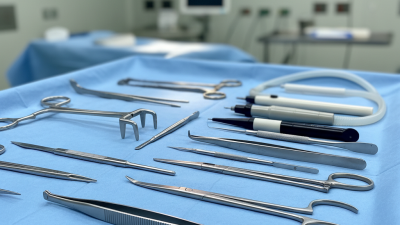
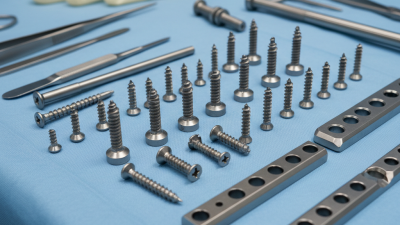
Choosing the right surgical tools can impact the quality of care your practice provides. Each type of surgical procedure demands specific instruments. Understanding which tools are necessary is vital. For instance, general surgery often requires scalpels, forceps, and retractors. However, orthopedic procedures might focus more on specialized drills and saws.
Evaluating surgical procedures in your practice can reveal gaps in your toolkit. Some practitioners may rely on outdated instruments, overlooking innovations available today. This can lead to inefficiencies during procedures. It’s crucial to assess the frequency of surgeries performed. Are there instruments that rarely see use? Keeping unused tools can create clutter.
Think about the training required for your staff too. Some complex tools need specific expertise. If your team isn’t comfortable with certain instruments, it could hinder patient outcomes. Regular training sessions can address this challenge. Ultimately, refining your surgical toolkit is an evolving process that needs consistent attention and reflection.
Choosing the Right Surgical Tools for Different Procedures
This chart illustrates the distribution of various surgical tools used in different types of surgical procedures. Evaluating the frequency of these tools can help medical practices make informed decisions about their surgical tool inventory.
Assessing Quality and Durability of Surgical Instruments
Choosing surgical instruments involves more than just selection. Quality and durability are critical factors. A report by the American College of Surgeons highlights that 70% of surgical complications are linked to instrument failure. This statistic emphasizes the need to invest in reliable tools.
Durability often correlates with materials used. Stainless steel is common for its resistance to corrosion. Instruments made from high-quality steel can last longer, but not all stainless steel is equal. Some instruments may indeed appear polished but can degrade quickly. Regular maintenance is crucial to prolong lifespan. A study noted that poorly maintained tools contributed to increased operational delays and patient risk.
Assessing quality involves inspecting craftsmanship and functionality. Does the instrument feel sturdy? Are the joints seamless? Surgical instruments must withstand constant use and sterilization. If an instrument fails during a procedure, it can have dire consequences. In reality, budget constraints often lead to compromised choices. Practices may choose cost over quality, risking patient safety.
Budgeting for Surgical Tool Investment in Your Medical Practice
Investing in surgical tools requires careful financial planning. It’s not just about buying the latest equipment. You need to understand your budget and how it aligns with your practice's needs. Surgical tools vary in price and quality, making it essential to evaluate what is necessary versus what is desirable. Many practices mistakenly overspend on high-end options, thinking they will improve outcomes. Sometimes, a mid-range tool can perform just as well.
Consider creating a clear budget. Outline expected costs, and stick to it. Include costs for maintenance and replacement. You might find that certain tools break or need repairs more often than anticipated. Additionally, look into bulk purchasing options. This can lead to significant savings over time. Evaluate if you really need new tools or if refurbished ones are an option.
Reflect on your past purchases. Were they all necessary? Did they enhance your practice? Engage your team in the decision-making process. Their experiences with tools can offer valuable insights. This collaboration can help you make informed choices, avoiding wasteful spending. Balancing quality, necessity, and price is a challenge. But staying mindful about budgeting can lead to a more sustainable investment strategy.
Incorporating Surgeon and Staff Preferences in Tool Selection
Selecting surgical tools is a critical aspect of enhancing a medical practice. The preferences of surgeons and staff play a significant role in this process. Research shows that incorporating these preferences can improve satisfaction and efficiency in the operating room. A recent survey highlighted that 70% of surgeons feel more comfortable using tools they are familiar with. This familiarity can significantly impact surgical outcomes and patient safety.
It’s essential to understand that each surgical team has unique dynamics. Listening to staff feedback can uncover specific needs or challenges. For instance, if nurses express concerns about the ergonomics of a tool, it might lead to inefficiencies during procedures. A tool that causes discomfort can hinder a surgical team's performance. A study conducted by the American College of Surgeons found that 45% of surgical errors were linked to equipment usability issues.
Regular meetings can facilitate open discussions about preferred tools. Setting aside time for staff to assess and test new instruments is beneficial. It can create a culture of collaboration and continuous improvement. However, time constraints often make this challenging. Balancing feedback with budgetary limitations can complicate decision-making. Every choice carries implications that need to be carefully weighed.