2026 How to Choose the Right Orthopedic Prosthesis for Your Needs?
Choosing the right orthopedic prosthesis is crucial for recovery and mobility. With over 2 million amputees in the United States alone, the demand for quality prosthetics is increasing. According to a study by the American Academy of Orthopaedic Surgeons, choosing the right device impacts not only physical activities but also mental health.
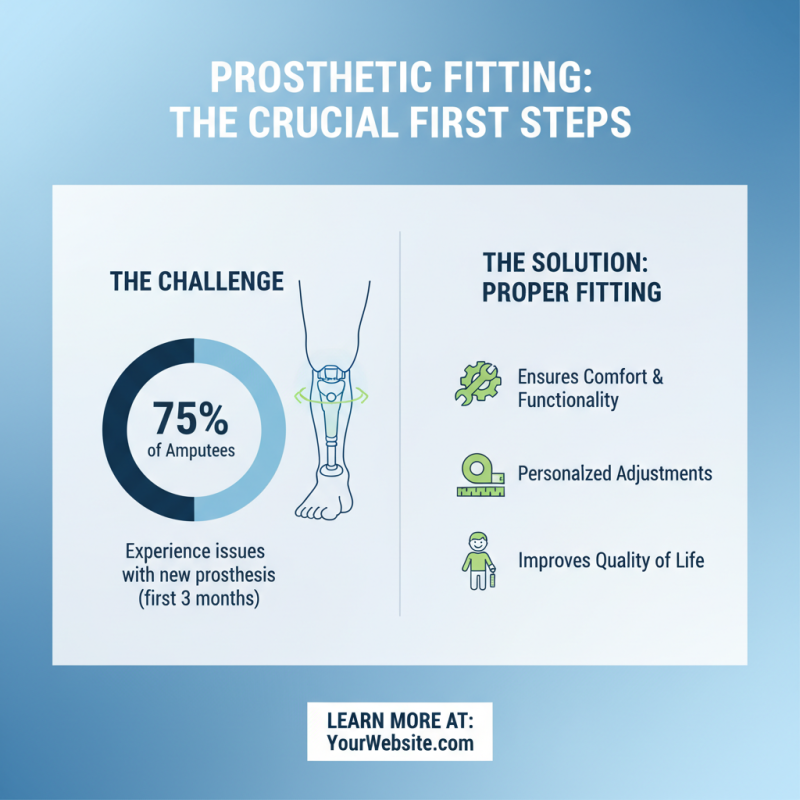
Prostheses design varies significantly. Patients often face challenges in selecting devices that suit their lifestyle. Factors such as the amputation level, age, and activity level play vital roles in this decision. Reports indicate that over 60% of amputees experience dissatisfaction with their current prosthesis. This highlights the importance of personalized fittings and regular consultations with healthcare providers.
Understanding different types of orthopedic prosthesis is essential. Options range from simple prosthetic limbs to advanced bionic devices. Not all products suit every individual. Finding the right fit requires reflection on personal needs and an understanding of available technology. It's vital to consult with experienced professionals to navigate these choices effectively.
Understanding Your Specific Orthopedic Needs
Choosing the right orthopedic prosthesis requires a deep understanding of your specific needs. According to a report by the National Institutes of Health, nearly 2 million people in the U.S. use prosthetic devices. Each person's circumstances differ significantly. Factors like age, activity level, and the type of mobility you wish to regain all play crucial roles.
A detailed assessment of your lifestyle can help streamline the decision. Active individuals may need a lightweight, durable option to withstand vigorous use. In contrast, someone seeking a prosthesis for daily activities might prioritize comfort over performance. Indeed, a study by the American Academy of Orthopaedic Surgeons highlights that 65% of users reported dissatisfaction due to inadequate fitting or design.
Consulting with specialists is vital. They can guide you through the maze of options. It's important to remember that every choice has trade-offs. Selecting a prosthesis isn't just about physical compatibility; it's also about emotional resilience. Many users find that their first fitting isn't perfect. Adjustments may be necessary. Being open to this process can lead to a satisfactory long-term solution.
Types of Orthopedic Prostheses Available
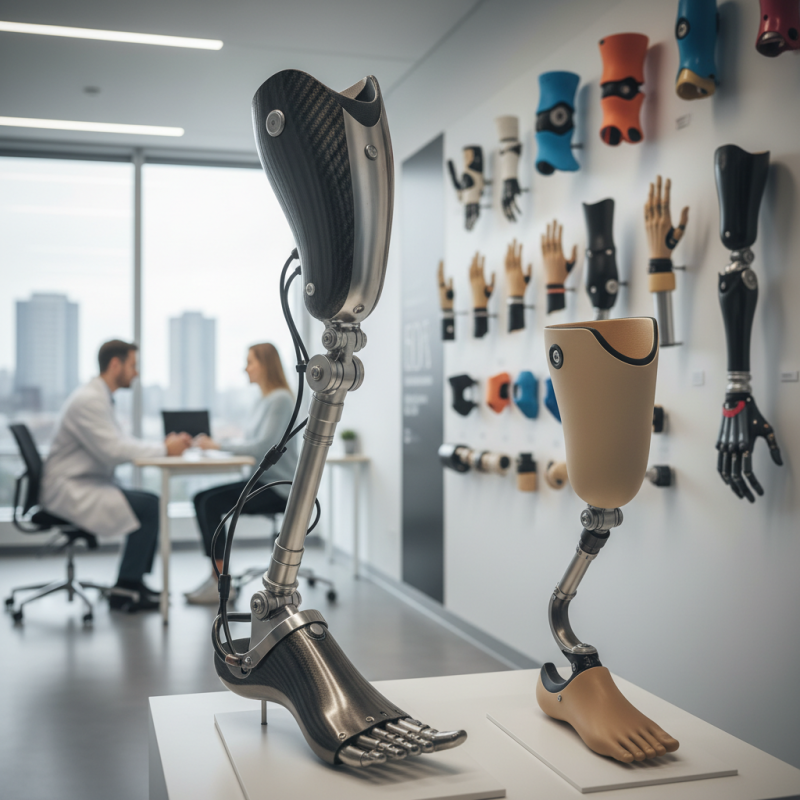
When selecting an orthopedic prosthesis, understanding the available types can greatly help you. There are various categories to consider. For example, limb prostheses come in many forms, including above-knee and below-knee options. Each type serves specific needs based on amputation level and lifestyle.
Another category is spinal prostheses. These devices often assist with mobility and stability. Whether you're dealing with an injury or a chronic condition, the right one can make a big difference. Some designs focus on comfort, while others prioritize support and alignment.
There is no one-size-fits-all solution. Personal preferences matter, too. Are you looking for something lightweight? Or perhaps a more robust design? Furthermore, the fit and comfort of the prosthesis can change over time, leading to adjustments. Ultimately, the choice requires careful consideration and sometimes difficult conversations with healthcare professionals. Finding the right balance can be a journey with ups and downs.
Types of Orthopedic Prostheses Available
Factors to Consider in Choosing a Prosthesis
Choosing the right orthopedic prosthesis is crucial for optimal mobility and comfort. Various factors influence this decision. The level of amputation plays a significant role, impacting the type of prosthesis suitable for an individual. According to a report by the American Orthotic and Prosthetic Association, over 185,000 people in the U.S. undergo limb amputations annually, emphasizing the need for personalized solutions.
Fit and alignment are critical considerations. A poorly fitted prosthesis can lead to discomfort and skin issues. Research shows that nearly 80% of amputees experience skin complications due to improper fitting. Regular adjustments and consultations with professionals are essential. However, many users often overlook these crucial follow-ups, leading to enduring problems.
Active lifestyle and daily activities should guide the choice of materials and design. For instance, a user engaged in sports may require a more durable prosthesis than someone with a sedentary lifestyle. The durability, weight, and function must align with personal needs. Balancing advanced technology with everyday usability can be challenging. This complexity often leaves users frustrated. Reflecting on individual requirements and engaging with professionals can help navigate these tough decisions.
2026 How to Choose the Right Orthopedic Prosthesis for Your Needs?
| Factor |
Description |
Importance Level |
| Comfort |
The prosthesis should be comfortable for daily use. |
High |
| Functionality |
Ability to perform desired activities and movement capabilities. |
High |
| Material |
The type of materials used can affect weight and durability. |
Medium |
| Aesthetics |
Appearance and visual appeal of the prosthesis. |
Low |
| Cost |
Budget constraints and overall expense during usage. |
Medium |
| Fit and Adjustment |
Proper fitting and ease of adjustments based on user needs. |
High |
| Support and Rehabilitation |
Availability of professional support for rehabilitation. |
High |
Consulting with Healthcare Professionals
Choosing the right orthopedic prosthesis can be daunting. Consulting with healthcare professionals is crucial in this process. They offer insights tailored to your situation. A medical expert can assess your needs and physical condition. Listening to their advice can prevent costly mistakes.
During your consultation, discuss your lifestyle and goals. Describe how you want to move and what activities you enjoy. This ensures the prosthesis matches your daily life. Healthcare providers can share options you might not consider. They also have knowledge about the latest developments in orthopedic solutions.
Remember, choosing a prosthesis is a personal journey. Don’t hesitate to ask questions, even if they seem simple. Reflect on their suggestions and how they resonate with you. Realizing what might not work can lead to better choices. Open communication is key to finding the best fit for your needs. Your healthcare team is there to help you navigate this path.