How to Choose the Best Reclining Wheelchair for Your Needs?
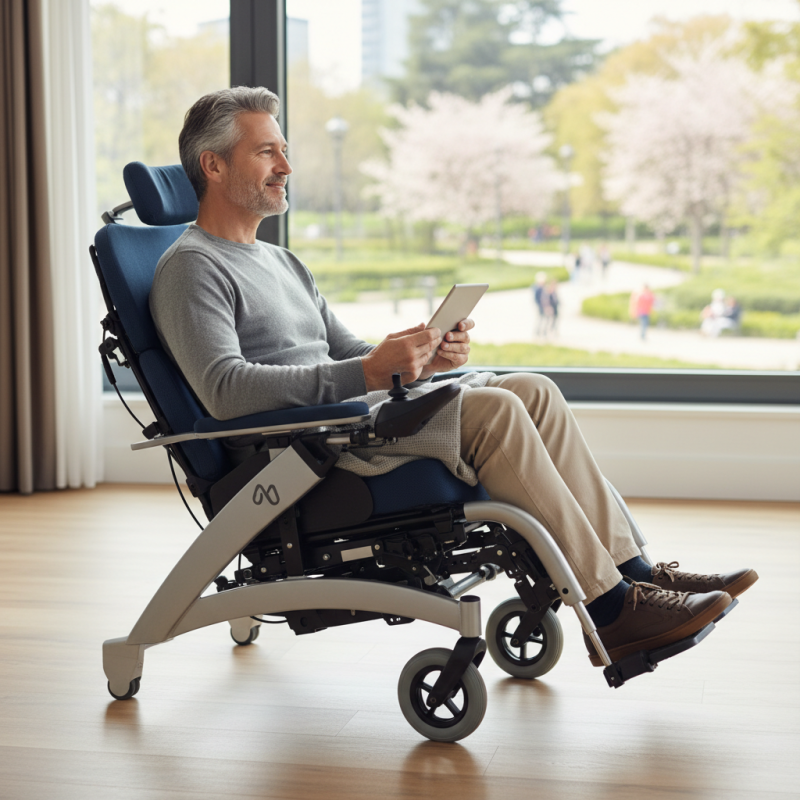
Choosing the best Reclining Wheelchair can feel overwhelming. With many options available, it’s essential to find one that meets individual needs. John Smith, a leading expert in mobility aids, emphasizes, "The right reclining wheelchair enhances comfort and independence." Comfort is crucial for prolonged use.
When considering a reclining wheelchair, think about your daily activities. Do you require extra support? Is portability important? These factors matter. A model that is easy to transport can greatly improve mobility. However, not all lightweight options provide adequate support. Balance is key.
You may find it helpful to test different models. Picture yourself navigating your environment with ease. A wheelchair should not limit your freedom. Yet, every choice has trade-offs. Be open to exploring various features. Reflect on what truly enhances your experience.
Understanding the Purpose and Benefits of Reclining Wheelchairs
Reclining wheelchairs serve essential purposes for individuals with limited mobility. They provide comfort and support during long periods of sitting. The key benefit is the ability to change positions, which helps reduce pressure sores. When a user tilts backward, it relieves stress on the back and hips. This feature is especially helpful for those who spend hours in a chair.
Adjustability is vital. Users can find their optimal position, enhancing circulation and comfort. However, this may take time to master. It's not just about reclining; it's about finding the right angle. Some might struggle with the mechanisms at first. Caregivers often need to assist with positioning, which can be frustrating.
Durability and ease of use also matter. A heavy wheelchair can be difficult to maneuver. Lighter options exist, but they may lack robustness. Additionally, consider storage. The chair must fit your home and lifestyle. Not all models fold easily, and this can be an inconvenience. Reflecting on these factors will lead to a better choice.
Key Features to Consider When Choosing a Reclining Wheelchair
When searching for the best reclining wheelchair, consider comfort first. Look for ample padding and adjustable backrests. These features are crucial for long-term use. A reclining wheelchair should have a good range of tilt. It allows the user to find an optimal position. This is beneficial for pressure relief and overall comfort.
Next, assess the wheelchair's weight capacity. Ensure that it meets the user's needs. Some models may not support heavier individuals effectively. It's important to check the frame material as well. A lighter frame can ease transport, but sturdiness should not be compromised.
Don't overlook the wheels and maneuverability. Larger wheels can navigate rough terrains better. However, they can make storage more difficult. A balance between size and practicality is vital. Think about the user's daily activities. A wheelchair that fits seamlessly into their life can enhance independence. Reflect on these elements thoughtfully for a more suitable choice.
Assessing Your Mobility and Comfort Needs
When choosing a reclining wheelchair, understanding your mobility and comfort needs is essential. Consider how often you will use the chair. Daily use may require a more durable design. Think about the terrains you navigate. Smooth surfaces need less rugged features, while varied terrains require sturdier options.
Assess the reclining angle needed for your comfort. A chair that reclines too far may not offer the support you need. Check for adjustable footrests; they should cater to your leg length. An uncomfortable position can lead to pressure sores, which are a real concern. Test the wheelchair’s weight. Heavy options can be challenging for caregivers to maneuver.
Pay attention to the upholstery materials. Breathable fabrics prevent overheating during long periods of use. Look for a chair with good cushioning but be cautious. Too much padding can make it difficult to transfer in and out of the chair. Reflect on your daily activities. Assessing these factors carefully will lead to a better choice.
Evaluating Frame Materials and Weight Capacity
Choosing the right reclining wheelchair involves careful consideration of frame materials and weight capacity. Different materials can significantly impact the wheelchair's durability and ease of use. Aluminum is lightweight yet sturdy, making it a popular choice. Steel, while heavier, offers robustness for higher weight capacities. It’s important to balance both weight and functionality.
Weight capacity is vital in selecting a wheelchair that meets individual needs. Many models support a range from 250 to 350 pounds. However, some individuals may require options beyond standard limits. If you are at the upper limit, a wheelchair with a reinforced frame could be necessary. Test the chair's stability while sitting to ensure safety.
Comfort matters, too. Consider how the materials feel against your skin and how they withstand wear. Many users struggle with harsh surfaces. They may need extra cushions or specialized padding. Finding a wheelchair that fits well can take time and may involve some trial and error. Test out various models where possible. Reflection on personal comfort is key. A well-fitted chair enhances overall mobility and well-being.
How to Choose the Best Reclining Wheelchair for Your Needs?
Reviewing Styles and Customization Options for Personal Preference
Choosing the right reclining wheelchair involves more than just comfort. Many styles offer various features. You might prefer a standard recline, but other options exist. Some chairs allow for additional adjustments, accommodating specific needs.
Customization is key. Seat width, cushion type, and back support can make a big difference. Think about your daily routine. If you spend hours in the chair, extra cushioning might help. You could also consider leg rests. Longer leg rests may provide more comfort but could complicate transfers.
Aesthetics matter as well. Wheelchair colors and designs can reflect personal taste. But remember, it’s easy to get lost in choices. What looks appealing may not be practical. Try to balance style and functionality. Focus on your unique requirements. It may take time to find the perfect fit. Reflect on what features are truly essential for you.
How to Choose the Best Reclining Wheelchair for Your Needs? - Reviewing Styles and Customization Options for Personal Preference
| Feature | Description | Customization Options | Comfort Level |
| Reclining Feature | Allows adjustment of seat angle for better comfort and rest. | Manual or electric reclining mechanisms. | High comfort with adequate lumbar support. |
| Weight Capacity | Maximum weight supported by the wheelchair. | Options for higher weight capacities available. | Essential for safety and reliability. |
| Seat Width | Width of the seat for optimal fit. | Various widths to accommodate different body types. | Improves sitting posture and comfort. |
| Materials | Fabric and frame materials affecting comfort and durability. | Choice between breathable fabrics and heavy-duty frames. | Enhances overall user experience. |
| Portability | Ease of transport and storage. | Lightweight options and foldable designs. | Very important for active users. |
| Safety Features | Brakes, anti-tippers, and seatbelt options. | Additional safety accessories available. | Critical for user security. |